Dermatologist-Approved Skincare Routine for Sensitive Skin (Simple & Effective)
Sensitive skin is exhausting. Every new product is a gamble. Every change in weather, diet, or stress level shows up on your face. Redness, stinging, burning, itching, flaking — your skin reacts to things other people’s skin doesn’t even notice. And the cruel irony is that the skincare industry markets more products to you than to anyone else, even though most of those products contain precisely the ingredients that will make things worse.
If you have sensitive skin, you don’t need more products — you need fewer, better products and a routine designed to protect, not provoke, your skin barrier. This guide was built on dermatological principles specifically for reactive, easily irritated skin, focusing on what to use, what to avoid, and how to build a routine that keeps your skin calm, hydrated, and healthy.
Understanding Sensitive Skin

What “Sensitive Skin” Actually Means
Sensitive skin isn’t a medical diagnosis — it’s a skin characteristic that describes skin with a lower tolerance threshold. Dermatologists typically categorize it as:
| Type | Characteristics | Common Triggers |
|---|---|---|
| Naturally sensitive | Genetically thin, fair skin that reacts easily | Most actives, fragrances, extreme temperatures |
| Reactive / sensitized | Previously resilient skin that’s become reactive due to barrier damage | Over-exfoliation, retinoid overuse, harsh products, stress |
| Rosacea-prone | Chronic redness, flushing, visible blood vessels, sometimes papules | Heat, alcohol, spicy food, sun, certain skincare ingredients |
| Eczema-prone | Dry, itchy, inflamed patches; impaired barrier function | Fragrances, certain preservatives, environmental allergens |
| Contact dermatitis | Allergic or irritant reaction to specific substances | Specific allergens (fragrance, preservatives, metals) |
The Root Cause: A Compromised Skin Barrier
In most cases, sensitive skin comes back to one thing: a damaged or weakened skin barrier.
Your skin barrier (stratum corneum) is a thin layer of dead skin cells held together by lipids (ceramides, cholesterol, and fatty acids). Think of it as a brick wall: the cells are the bricks, and the lipids are the mortar. When this wall is intact, it keeps moisture in and irritants out. When it’s damaged, moisture escapes (transepidermal water loss) and everything — pollution, bacteria, product ingredients — gets in and causes inflammation.
What Damages the Skin Barrier
- Over-exfoliation: Using AHAs, BHAs, scrubs, or retinoids too frequently or at too-high concentrations
- Harsh cleansers: Sulfate-based or foaming cleansers that strip natural oils
- Fragranced products: Both synthetic and “natural” fragrances are among the top skin irritants
- Too many active ingredients: Layering multiple potent actives overwhelms the barrier
- Environmental factors: Extreme cold, wind, dry indoor heating, hard water
- Stress and hormonal changes: Both directly affect barrier function and skin reactivity
The Golden Rules of Sensitive Skin Care
- Fewer products, fewer ingredients. Every additional product is another variable. A 3–4 step routine outperforms a 10-step routine for sensitive skin.
- Fragrance-free everything. Fragrance (including “naturally derived” essential oils) is the #1 cause of cosmetic contact dermatitis. Eliminate it entirely.
- Patch test every new product. Apply a small amount behind your ear or on your inner forearm for 48 hours before applying to your face.
- Introduce one new product at a time. Wait 2 weeks between new product introductions so you can identify any reaction.
- Barrier repair is the priority. Before adding any “active” ingredients (retinol, vitamin C, acids), fix your barrier. A healthy barrier makes everything work better and reduces reactivity.
The Dermatologist-Approved Morning Routine (3 Steps)
Step 1: Gentle Cleanser (or Water Only)
If your skin is very reactive, washing with lukewarm water in the morning is perfectly fine. Your skin doesn’t accumulate significant dirt overnight, and morning cleansing with product can be unnecessarily stripping.
If you prefer to cleanse:
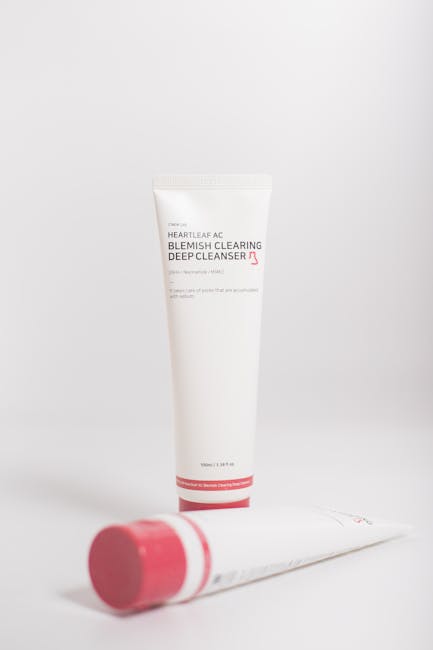
- Use a cream or milk cleanser — no foaming, no gel, no scrubs.
- Ingredients to look for: ceramides, glycerin, squalane.
- The cleanser should leave your skin feeling soft, not “clean.” If it feels tight after rinsing, it’s too harsh.
- Use lukewarm water (never hot — hot water disrupts the barrier and triggers flushing in rosacea-prone skin).
Dermatologist picks: CeraVe Hydrating Cleanser, Vanicream Gentle Facial Cleanser, La Roche-Posay Toleriane Hydrating Gentle Cleanser, Avène Extremely Gentle Cleansing Lotion.
Step 2: Barrier-Repair Moisturizer
Your moisturizer is the most important product in your routine. It does the heavy lifting: restoring lipids, reducing moisture loss, and protecting against irritants.
Key ingredients for sensitive skin moisturizers:
- Ceramides: Restore the “mortar” between skin cells. The most studied and effective barrier-repair ingredient.
- Squalane: A natural lipid that’s identical to your skin’s own oil. Lightweight, non-comedogenic, extremely well-tolerated.
- Glycerin: A humectant that draws water into the skin. Found in virtually all effective moisturizers.
- Niacinamide (2–5%): Strengthens barrier function, reduces redness, and is one of the few “actives” that sensitive skin typically tolerates well.
- Centella asiatica (cica): Anti-inflammatory herb with strong evidence for calming irritated skin and supporting wound healing.
- Panthenol (vitamin B5): Hydrating and soothing. Supports barrier repair.
Dermatologist picks: CeraVe Moisturizing Cream, La Roche-Posay Cicaplast Baume B5+, Vanicream Moisturizing Skin Cream, Eucerin Original Healing Cream, Dr. Jart+ Cicapair Cream.
Step 3: Mineral Sunscreen SPF 30+
For sensitive skin, mineral sunscreens (zinc oxide, titanium dioxide) are preferred over chemical sunscreens. Mineral filters sit on top of the skin and reflect UV rather than absorbing it, which is less likely to cause irritation or stinging.
What to look for:
- SPF 30 minimum (SPF 50 preferred)
- Zinc oxide as the primary active ingredient (broad-spectrum, anti-inflammatory)
- Fragrance-free
- No alcohol/denat.alcohol (drying and irritating)
Dermatologist picks: EltaMD UV Clear SPF 46, La Roche-Posay Anthelios Mineral Gentle Sunscreen, CeraVe Hydrating Mineral Sunscreen SPF 50, Blue Lizard Sensitive Face SPF 50+.
The Dermatologist-Approved Evening Routine (3 Steps)
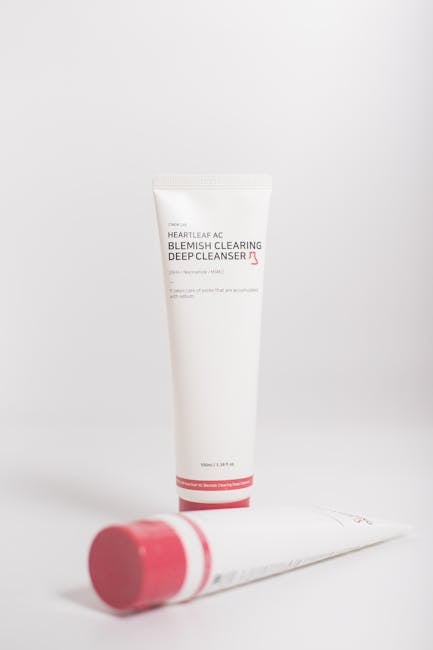
Step 1: Gentle Cleanser (Add Oil Cleanse if Wearing SPF/Makeup)
Mineral sunscreen is harder to remove than chemical sunscreen. An oil-based first cleanse effectively dissolves SPF and makeup without rubbing or scrubbing.
- First cleanse: Fragrance-free micellar water (wipe gently, don’t rub) or fragrance-free cleansing oil/balm.
- Second cleanse: Same gentle cream cleanser from morning.
Micellar water picks: Bioderma Sensibio H2O, La Roche-Posay Micellar Cleansing Water Ultra for Sensitive Skin.
Step 2: Treatment (Only If Barrier Is Healthy)
If your barrier is currently compromised (redness, stinging, flaking), skip actives entirely and focus on Steps 1 and 3 (cleanse + moisturize) for 2–4 weeks until your skin calms down.
Once your barrier is stable, you can carefully introduce one active ingredient:
Safe Active Options for Sensitive Skin
| Active | Benefits | How to Start |
|---|---|---|
| Niacinamide (2–5%) | Barrier support, redness reduction, gentle brightening | Daily, AM or PM (well-tolerated) |
| Azelaic acid (10–15%) | Redness reduction (rosacea), anti-inflammatory, gentle brightening | Every other night, build to nightly |
| Retinaldehyde (low %) | Anti-aging (gentler than retinol) | 1–2x/week, buffered over moisturizer |
| Centella asiatica | Anti-inflammatory, wound healing, barrier repair | Daily (very well-tolerated) |
| Low-concentration vitamin C (below 10%) | Antioxidant, gentle brightening | AM, every other day to start |
The “buffer” technique: Apply your moisturizer first, wait 5 minutes, then apply your active on top. This dilutes the active slightly and reduces penetration intensity — dramatically reducing irritation while maintaining efficacy.
Step 3: Barrier-Repair Moisturizer
Same moisturizer as morning. For evening, you can opt for a slightly richer formula if your skin is dry. Slugging (applying a thin layer of petroleum jelly or Aquaphor as the final step) can be highly effective for sensitive, dry skin — it seals in moisture and protects the barrier overnight.
Ingredients to Avoid Completely
If you have sensitive skin, these ingredients are your enemies:
| Ingredient | Why to Avoid | Found In |
|---|---|---|
| Fragrance / parfum | #1 sensitizer. Includes “natural” essential oils (lavender, tea tree, citrus) | Most cosmetics, even “gentle” ones |
| Alcohol denat. / SD alcohol | Dries and damages the barrier | Toners, lightweight moisturizers, some SPFs |
| SLS / SLES (sulfates) | Harsh surfactants that strip oils and barrier lipids | Foaming cleansers, shampoos |
| High-concentration AHAs/BHAs | Over-exfoliate and compromise barrier | Peeling solutions, toners, serums |
| Menthol / camphor / peppermint | Creates cooling sensation via irritation | “Refreshing” or “cooling” products |
| Witch hazel | Contains tannins that irritate and dry the skin | Toners, acne products |
| Physical scrubs | Cause micro-tears in the skin barrier | Exfoliating scrubs (walnut, apricot, sugar) |
Building Your Routine: The 4-Week Plan

Weeks 1–2: Barrier Reset
- Strip your routine to 3 products only: gentle cleanser, ceramide moisturizer, mineral SPF.
- No actives, no exfoliants, no new products.
- Use lukewarm water only. Pat dry with a soft towel (never rub).
- If your skin is very reactive, skip morning cleansing entirely.
Week 3: Assess and Introduce
- If redness and sensitivity have decreased, introduce one gentle active (niacinamide or azelaic acid recommended).
- Use it every other evening, buffered over moisturizer.
- Monitor for 7 days before increasing frequency.
Week 4: Optimize
- If tolerated, increase the active to nightly use.
- Consider adding one more product (hyaluronic acid for hydration, or a cica serum for inflammation).
- Continue to patch test any new product for 48 hours before facial use.
Lifestyle Tips for Sensitive Skin

- Use a humidifier in winter or in dry climates to prevent moisture loss.
- Wash pillowcases weekly with fragrance-free, dye-free detergent.
- Don’t touch your face. Hands carry bacteria and irritants.
- Manage stress. Cortisol directly weakens the skin barrier and triggers flushing in rosacea-prone skin.
- Stay hydrated. Internal hydration supports barrier function from the inside.
- Protect against wind and cold. Wear a scarf over your lower face in harsh weather.
Frequently Asked Questions

Can sensitive skin use retinol?
Yes, but carefully. Start with retinaldehyde or a very low-concentration retinol (0.025–0.1%), use 1–2x per week only, buffer over moisturizer, and build up over months. Bakuchiol is a gentler alternative with some evidence for retinol-like benefits without the irritation.
Is “hypoallergenic” skincare safe for sensitive skin?
“Hypoallergenic” is an unregulated marketing term. It doesn’t guarantee the product won’t cause a reaction. Always read the ingredient list yourself and look for fragrance-free, minimal-ingredient formulas from dermatologist-recommended brands.
Why does my skin sting when I apply moisturizer?
Stinging upon moisturizer application usually means your skin barrier is compromised. When the “mortar” between skin cells has gaps, even gentle ingredients can penetrate too deeply and hit nerve endings. Focus on barrier repair for 2–4 weeks (ceramide moisturizer, no actives), and the stinging should resolve.
Can I use facial oils on sensitive skin?
Some oils are well-tolerated: squalane, jojoba oil, and marula oil are generally safe. Avoid essential oils (lavender, tea tree, citrus, rose) as they contain volatile compounds that irritate sensitive skin. Always patch test.
Should I see a dermatologist for my sensitive skin?
Yes, if: your sensitivity is worsening despite gentle care, you have persistent redness or rash, you suspect rosacea or eczema, or you want to introduce anti-aging actives safely. A dermatologist can diagnose any underlying conditions and recommend prescription-grade barrier repair products.
Your Sensitive Skin Starter Kit
A complete, dermatologist-aligned routine can be built with just 4 products:
- Cleanser: CeraVe Hydrating Cleanser or Vanicream Gentle Cleanser (~$12–$15)
- Moisturizer: CeraVe Moisturizing Cream or La Roche-Posay Cicaplast Baume B5+ (~$15–$18)
- Sunscreen: EltaMD UV Clear SPF 46 or CeraVe Mineral Sunscreen SPF 50 (~$15–$40)
- Optional active: The Ordinary Niacinamide 10% + Zinc 1% or The Ordinary Azelaic Acid Suspension 10% (~$7–$10)
Total estimated cost: $49–$83. Effective, simple, dermatologist-approved, and actually kind to your skin.
Disclaimer: This article provides general skincare guidance. For persistent skin sensitivity, rashes, or suspected skin conditions, consult a board-certified dermatologist for proper diagnosis and personalized treatment.