How to Get Rid of Acne Naturally Without Damaging Your Skin

If you’re dealing with adult acne, you’ve probably already tried the harsh stuff — benzoyl peroxide that bleached your towels, salicylic acid that made your skin peel, drying toners that left your face tight and red. Maybe they helped temporarily. Maybe they made things worse. Either way, you’re here because you want a different approach.
The good news: there are genuine, evidence-supported natural strategies for reducing adult acne. “Natural” doesn’t mean ineffective — it means working with your body’s biology instead of against it, addressing root causes (hormones, gut health, inflammation, stress) rather than just attacking symptoms on the surface.
The important caveat: “natural” also doesn’t mean smearing lemon juice on your face. This guide separates natural strategies that have actual scientific evidence from social media myths that will damage your skin.
Understanding Why Natural Approaches Can Work

Adult acne is fundamentally a systemic condition. While it manifests on your skin, its drivers are internal:
- Hormonal imbalance (androgen excess, estrogen dominance, cortisol elevation)
- Chronic inflammation (diet-driven, stress-driven, gut-driven)
- Gut dysbiosis (the gut-skin axis is well-documented)
- Nutrient deficiencies (zinc, omega-3s, vitamin D, vitamin A)
- Impaired detoxification and elimination
Topical products (even prescription ones) only address symptoms. Natural approaches aim to correct these underlying drivers, which is why they can produce lasting, sustainable results.
Strategy 1: Anti-Acne Nutrition
The Low-Glycemic Diet
This is the single most evidence-supported dietary intervention for acne. Multiple studies, including a landmark 2007 study in the American Journal of Clinical Nutrition, demonstrate that a low-glycemic diet significantly reduces acne lesions.
The mechanism: High-glycemic foods (sugar, white bread, pasta, processed snacks) spike insulin and insulin-like growth factor 1 (IGF-1). Both directly stimulate sebum production, inflammation, and skin cell overgrowth that blocks pores.
Foods to Emphasize
| Food Category | Examples | Why It Helps |
|---|---|---|
| Non-starchy vegetables | Leafy greens, broccoli, cauliflower, zucchini | Low-glycemic, anti-inflammatory, rich in antioxidants |
| Omega-3 rich foods | Salmon, sardines, mackerel, walnuts, flaxseed | Directly reduce inflammatory prostaglandins that drive acne |
| Zinc-rich foods | Pumpkin seeds, chickpeas, lentils, cashews, beef | Zinc is anti-inflammatory, antimicrobial, and regulates oil production |
| Probiotic foods | Sauerkraut, kimchi, kefir, yogurt (if tolerated) | Support gut-skin axis; reduce systemic inflammation |
| Antioxidant-rich fruits | Berries, citrus, pomegranate | Combat oxidative stress; support skin repair |
| Green tea | Matcha, sencha, other green teas | EGCG reduces sebum production, kills C. acnes bacteria, reduces inflammation |
Foods to Reduce or Eliminate
- Refined sugar and high-glycemic carbs: White bread, pasta, pastries, candy, soda, fruit juice.
- Dairy (especially skim milk): Contains hormones (including androgens and IGF-1) that stimulate oil production. Try eliminating dairy for 4–6 weeks to see if it makes a difference.
- Whey protein: Increases insulin and IGF-1. Switch to plant-based protein (pea, hemp, rice protein).
- Processed and ultra-processed foods: Promote inflammation through additives, seed oils, and refined ingredients.
- Alcohol: Increases inflammation, disrupts hormones, and damages gut health.
Key Supplements for Acne
| Supplement | Mechanism | Evidence | Dose |
|---|---|---|---|
| Zinc picolinate | Anti-inflammatory, antimicrobial, reduces oil | Strong (multiple RCTs) | 30mg/day with food |
| Omega-3 fish oil (EPA) | Reduces inflammatory prostaglandins | Strong | 2,000–3,000mg EPA+DHA/day |
| Probiotics | Gut-skin axis; reduces systemic inflammation | Growing | Multi-strain, 10–50 billion CFU |
| Vitamin D3 | Immune modulation; anti-inflammatory | Moderate (low D linked to acne severity) | 2,000–5,000 IU/day (test levels first) |
| DIM (diindolylmethane) | Supports estrogen metabolism; may reduce androgen effects | Moderate | 100–200mg/day |
| Spearmint tea | Anti-androgenic effects (reduces testosterone influence on skin) | Moderate (2 studies show reduced acne) | 2 cups/day |
| Berberine | Blood sugar regulation; antimicrobial; gut support | Moderate | 500mg 2–3x/day with meals |
Strategy 2: Gut Health for Clear Skin
The gut-skin axis is one of the most active areas of dermatological research. Studies consistently show that people with acne have different gut microbiome compositions than those with clear skin.
The Connection
- Gut dysbiosis increases intestinal permeability (“leaky gut”), allowing inflammatory molecules into the bloodstream.
- These inflammatory molecules trigger skin inflammation and sebum production.
- Gut bacteria modulate hormones, including those that affect oil production.
How to Improve Your Gut for Clearer Skin
- Eat 30+ different plant foods per week (the most reliable way to increase gut diversity).
- Eat fermented foods daily: sauerkraut, kimchi, kefir, miso.
- Take a quality probiotic: Look for Lactobacillus rhamnosus GG (specifically studied for acne) and Bifidobacterium species.
- Eat prebiotic fiber: Garlic, onions, leeks, oats, asparagus, bananas.
- Reduce gut irritants: Excess alcohol, artificial sweeteners, NSAIDs, and unnecessary antibiotics.
Strategy 3: Hormonal Balance

Hormonal acne (jawline, chin, lower cheeks, flaring with your cycle) is driven by androgens (testosterone, DHEA-S) stimulating oil glands. Natural anti-androgenic strategies:
- Spearmint tea (2 cups daily): Two published studies show spearmint tea significantly reduces free testosterone levels in women. It’s one of the most accessible natural anti-androgen interventions.
- Ground flaxseed (2 tbsp daily): Lignans in flaxseed bind to androgen receptors and support estrogen metabolism.
- DIM supplement (100–200mg): Supports healthy estrogen metabolism, which indirectly helps balance androgen effects.
- Blood sugar regulation: Insulin resistance increases androgen production. Eating low-glycemic foods, adding strength training, and maintaining a healthy weight all improve insulin sensitivity.
- Seed cycling: Some naturopathic practitioners recommend rotating flax/pumpkin seeds (follicular phase) and sesame/sunflower seeds (luteal phase) to support hormonal balance. Evidence is mostly anecdotal but low risk.
Strategy 4: Stress Management

Stress is a major, often underestimated acne trigger:
- Cortisol directly stimulates sebaceous glands to produce more oil.
- Stress impairs wound healing, prolonging acne lesion duration.
- Stress disrupts the gut microbiome (gut-skin axis).
- Stress causes inflammation (the immune system goes into overdrive).
Evidence-Based Stress Reduction for Skin
- Daily breathwork: 5 minutes of box breathing or physiological sighs reduces cortisol measurably.
- Regular exercise: 30 minutes of moderate exercise 4–5x per week lowers cortisol and improves insulin sensitivity (both benefit acne). Shower promptly after sweating.
- Sleep (7–9 hours): Sleep deprivation increases cortisol by 37–45%. Protect your sleep with a consistent schedule and screen-free wind-down.
- Nature exposure: 20+ minutes in nature reduces cortisol by up to 21%.
- Mindfulness meditation: Regular meditation practice reduces cortisol and may improve acne severity (one pilot study showed significant improvement with mindfulness-based stress reduction in acne patients).
Strategy 5: Natural Topical Ingredients
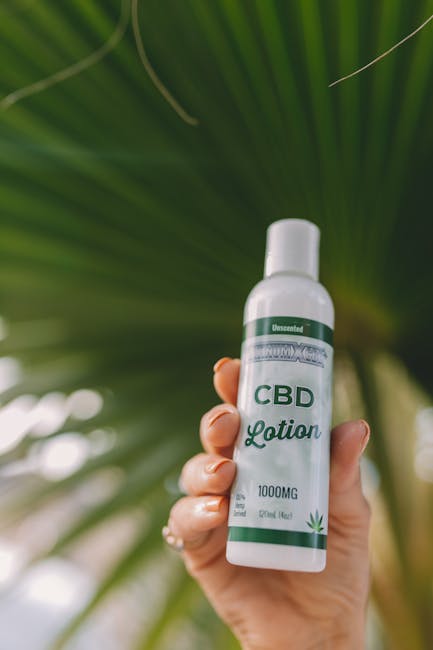
Some natural topical ingredients have genuine published evidence for acne:
| Ingredient | Evidence | Mechanism | How to Use |
|---|---|---|---|
| Tea tree oil (5%) | Multiple studies; comparable to 5% benzoyl peroxide (slower onset, less irritation) | Antimicrobial against C. acnes | 5% diluted in a carrier or in a prepared product. NEVER undiluted. |
| Green tea extract (topical) | Studies show 2% topical green tea reduces sebum and lesion count | EGCG: anti-inflammatory, anti-sebum, antibacterial | Green tea extract serums or DIY cooled green tea toner |
| Niacinamide (4–5%) | Strong | Anti-inflammatory, reduces sebum, improves barrier | Serum, AM and/or PM |
| Azelaic acid (10–20%) | Strong (prescription-strength has extensive evidence) | Antibacterial, anti-inflammatory, normalizes keratinization | Cream or gel, PM application |
| Honey (medical-grade manuka) | Moderate | Antibacterial (hydrogen peroxide + methylglyoxal), anti-inflammatory | Mask: Apply raw manuka honey for 15–20 min, rinse. 2–3x/week. |
| Aloe vera | Moderate | Anti-inflammatory, promotes wound healing | Pure aloe gel as a soothing layer; helps with post-acne redness |
Natural Ingredients to Avoid (Despite Social Media Claims)
- Lemon juice: pH 2 — far too acidic. Burns skin, causes chemical irritation, and creates photosensitivity that leads to dark marks.
- Baking soda: pH 9 — disrupts skin barrier (optimal skin pH is 4.5–5.5). Causes dryness and irritation.
- Toothpaste: Contains menthol, fluoride, and SLS that burn and irritate skin. Not formulated for facial use.
- Apple cider vinegar (undiluted): Too acidic for direct skin application. Can cause chemical burns.
- Coconut oil: Highly comedogenic (4 out of 5 on the comedogenicity scale). Will likely worsen acne.
- Essential oils (undiluted): Lavender, tea tree, and others are potent sensitizers when applied undiluted. Always dilute or use in formulated products.
A Complete Natural Anti-Acne Protocol
Daily Nutrition
- Low-glycemic diet (no refined sugar, limited processed carbs)
- 2–3 servings omega-3 rich foods per week (salmon, sardines)
- 1 serving fermented food daily (sauerkraut, kefir)
- 2 cups spearmint tea daily
- 2 tbsp ground flaxseed daily
- 30+ plant foods per week for gut diversity
Daily Supplements
- Zinc picolinate 30mg
- Omega-3 fish oil 2,000mg EPA+DHA
- Probiotic (multi-strain, 10+ billion CFU)
- Vitamin D3 2,000–5,000 IU
Daily Skincare
- AM: Gentle cleanser → niacinamide serum → lightweight moisturizer → mineral SPF
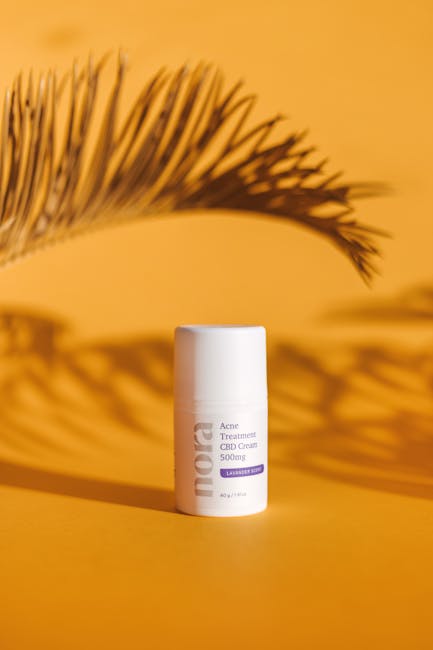
- PM: Oil cleanser → gentle cleanser → tea tree oil product or azelaic acid → moisturizer
- Weekly: Manuka honey mask (15–20 min, 2–3x/week)
Daily Lifestyle
- 7–9 hours sleep
- 30 min exercise 4–5x/week (shower after)
- 5 min breathwork/meditation for stress
- Hands off face
- Clean pillowcases 2x/week
Frequently Asked Questions

How long do natural acne treatments take to work?
Dietary and supplement changes typically show initial improvement at 4–6 weeks, with more significant results at 8–12 weeks. Gut healing takes 3–6 months. This is slower than prescription medication but often produces more sustainable, lasting results because you’re addressing root causes.
Can I combine natural approaches with conventional acne treatment?
Absolutely. Natural approaches (diet, supplements, stress management, gut health) complement conventional treatments (retinoids, benzoyl peroxide, prescriptions) beautifully. They’re not mutually exclusive. Many dermatologists support an integrative approach.
Is adult acne caused by poor hygiene?
No. Acne is caused by hormones, genetics, inflammation, and microbiome imbalance — not dirt. Over-washing and harsh cleansing actually damage the skin barrier and make acne worse.
Will drinking more water clear acne?
Adequate hydration supports overall skin health, but water alone won’t clear acne. It’s one supportive factor among many. Focus on diet, gut health, and hormonal balance as primary drivers.
Does exercise help or worsen acne?
Exercise helps acne by reducing cortisol, improving insulin sensitivity, and reducing inflammation. However, sweat left on the skin can contribute to breakouts. Shower promptly after exercise, and avoid touching your face during workouts.
Your Starting Plan

- This week: Eliminate refined sugar and dairy for a 4-week trial. Start spearmint tea (2 cups daily).
- This week: Begin zinc picolinate (30mg with dinner) and omega-3 fish oil (2,000mg).
- Week 2: Add fermented foods daily and 2 tbsp ground flaxseed.
- Week 3: Introduce a niacinamide serum if not already using one.
- Week 6: Assess progress. If improvement is evident, continue and refine. If minimal change, consider adding a dermatologist visit to your approach.
Natural acne treatment is about playing the long game. It’s slower than Accutane. But it addresses why your skin is breaking out, not just what’s on the surface. When you fix the foundation, the skin follows.
Disclaimer: This article provides general wellness education. Natural strategies may not be sufficient for severe or cystic acne. If your acne is persistent, scarring, or significantly affecting your quality of life, consult a board-certified dermatologist for professional evaluation and treatment options.