Best Skincare Products Dermatologists Actually Recommend in 2026
The skincare industry generates over $180 billion globally and launches thousands of new products every year. Most of them are mediocre, over-marketed, and overpriced. A few are actively harmful. And a select handful are genuinely exceptional — formulated with clinically proven ingredients at effective concentrations, tested for safety, and trusted by dermatologists worldwide.
This guide cuts through the noise. These are the products that board-certified dermatologists reach for in their own bathrooms, recommend to patients, and consider the benchmarks of each product category — not because of marketing spend, but because of formulation quality, clinical evidence, and real-world results.
How Dermatologists Evaluate Products

Understanding what dermatologists look for helps you evaluate products independently:
- Active ingredient identity and concentration: Is the active ingredient named specifically (not hidden in a “proprietary blend”), and is it present at a concentration shown to be effective in clinical studies?
- Formulation stability: Some ingredients (vitamin C, retinol) degrade quickly in unstable formulations. Packaging, pH, and co-ingredients all matter.
- Minimal irritant potential: Fragrance-free, dye-free formulas with well-tolerated bases.
- Clinical evidence: Published studies on either the specific product or its key ingredients at the stated concentration.
- Value: Dermatologists don’t believe expensive = better. They recommend the most effective product at the most accessible price point.
Best Cleansers
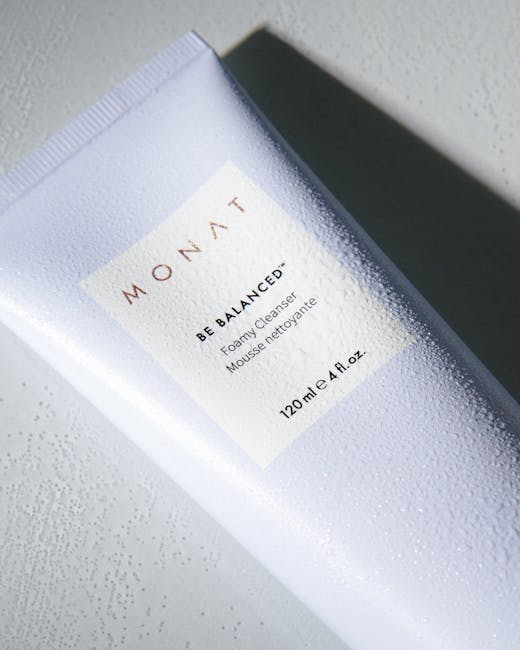
Best Overall: CeraVe Hydrating Facial Cleanser
Why dermatologists love it: Contains three essential ceramides (1, 3, 6-II) plus hyaluronic acid in a non-foaming, fragrance-free formula. Developed with dermatologists. Cleanses effectively without disrupting the skin barrier.
- Skin type: Normal, dry, sensitive
- Price: ~$15 for 16 oz
- Key feature: MVE (multivesicular emulsion) technology releases ceramides gradually for long-lasting hydration.
Best for Sensitive Skin: Vanicream Gentle Facial Cleanser
Why dermatologists love it: Absolute minimal ingredient list. Free of dyes, fragrances, masking fragrances, lanolin, parabens, and formaldehyde. The go-to recommendation for eczema, contact dermatitis, and ultra-reactive skin.
Best for Oily/Acne-Prone Skin: La Roche-Posay Toleriane Purifying Foaming Cleanser
Why dermatologists love it: Removes excess oil with a gentle foaming action. Contains ceramide-3, niacinamide, and prebiotic thermal water. Non-comedogenic, fragrance-free.
Best Oil Cleanser: DHC Deep Cleansing Oil
Why dermatologists love it: Olive oil-based formula effectively dissolves waterproof sunscreen and makeup without stripping. Rinses clean without residue.
Best Sunscreens

Best Overall: EltaMD UV Clear Broad-Spectrum SPF 46
Why dermatologists love it: The most recommended sunscreen in dermatology offices across the US. Contains 9% zinc oxide + octinoxate for broad-spectrum protection, along with niacinamide (calming, brightening) and hyaluronic acid (hydrating). Lightweight, not greasy, no white cast, and works under makeup.
- Skin type: All, including sensitive and acne-prone
- Price: ~$39 for 1.7 oz
- Key feature: Oil-free, fragrance-free, won’t break you out.
Best Mineral: La Roche-Posay Anthelios Mineral Gentle Sunscreen SPF 50
Why dermatologists love it: 100% mineral (zinc oxide + titanium dioxide). Excellent for sensitive and rosacea-prone skin. Water-resistant 40 minutes.
Best Cosmetic Elegance: Supergoop Unseen Sunscreen SPF 40
Why dermatologists love it: Completely invisible, weightless formula that works as a primer. Chemical filter, so not ideal for very sensitive skin, but the best option for those who skip sunscreen because they hate the feel and look of traditional SPF.
Best Budget: Neutrogena Ultra Sheer Dry-Touch SPF 55
Why dermatologists love it: Affordable, widely available, lightweight, and effective. A solid daily sunscreen for those on a budget.
Best Retinoids
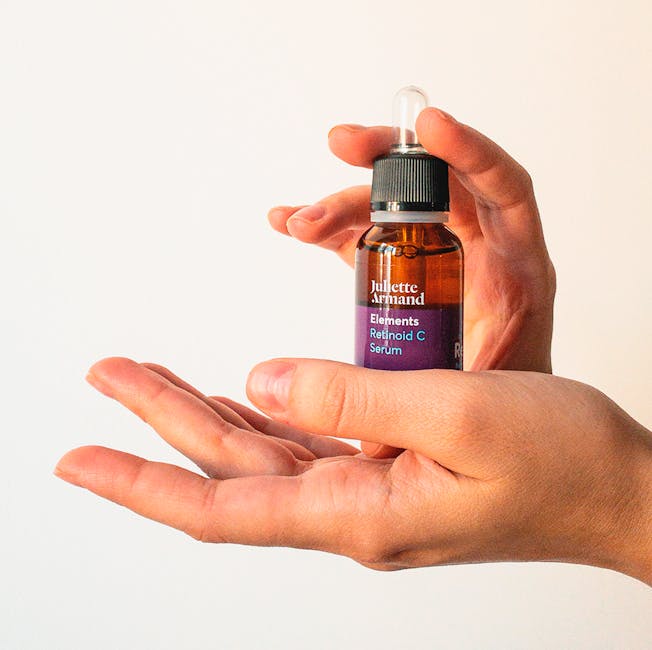
Best Prescription: Tretinoin 0.025%–0.1% (Generic)
Why dermatologists love it: The gold standard. More clinical data than any other topical anti-aging ingredient. Prescription tretinoin in generic form is also among the most affordable anti-aging products available (~$30–$80 with insurance or services like GoodRx).
Best OTC Retinol: Paula’s Choice Clinical 1% Retinol Treatment
Why dermatologists love it: Contains 1% retinol (among the highest OTC concentrations available) in a peptide and vitamin C-enriched base. Fragrance-free. Published brand ingredient philosophy aligned with dermatological standards.
Best for Beginners: CeraVe Resurfacing Retinol Serum
Why dermatologists love it: Lower concentration retinol in an encapsulated delivery system (reduces irritation). Contains ceramides and niacinamide for barrier support. Affordably priced for a retinol product.
Best for Sensitive Skin: Avène RetrinAL 0.1 Intensive Cream
Why dermatologists love it: Contains retinaldehyde (one step closer to retinoic acid than retinol but less irritating than tretinoin). Excellent for women who can’t tolerate standard retinol products.
Best Vitamin C Serums
Best Overall: SkinCeuticals C E Ferulic
Why dermatologists love it: The reference standard for vitamin C serums. Based on the Duke University patent combining 15% L-ascorbic acid + 1% vitamin E + 0.5% ferulic acid. This specific combination was shown to increase vitamin C’s photoprotective efficacy by 8x. More clinical evidence behind this exact formulation than any other vitamin C serum on the market.
- Price: ~$182 for 1 oz
- Caveat: Expensive. Worth it if it’s within your budget, but effective alternatives exist at lower price points.
Best Budget: Timeless 20% Vitamin C + E + Ferulic Acid Serum
Why dermatologists respect it: Closely mirrors the SkinCeuticals C E Ferulic formula at a fraction of the price (~$25). Uses 20% L-ascorbic acid at the correct pH. While the manufacturing precision may differ, dermatologists often recommend this as the best budget alternative.
Best for Sensitive Skin: Paula’s Choice C15 Super Booster
Why dermatologists recommend it: 15% ascorbic acid with vitamin E and ferulic acid in a formula designed to minimize irritation. Fragrance-free.
Best Moisturizers
Best Overall: CeraVe Moisturizing Cream
Why dermatologists love it: Three essential ceramides, hyaluronic acid, and MVE technology in an affordable, fragrance-free, non-comedogenic formula. Available in a full-body tub or smaller facial tube. The most recommended moisturizer in dermatology.
- Price: ~$18 for 19 oz
- Skin type: Normal, dry, sensitive
Best for Irritated/Damaged Skin: La Roche-Posay Cicaplast Baume B5+
Why dermatologists love it: Contains Madecassoside (centella derivative), panthenol, copper, zinc, and manganese. The go-to post-procedure moisturizer in dermatology offices worldwide. Exceptional for barrier repair, redness reduction, and calming irritated skin.
Best Lightweight: Neutrogena Hydro Boost Gel-Cream
Why dermatologists recommend it: Hyaluronic acid-based lightweight gel moisturizer. Oil-free, non-comedogenic. Ideal for oily or combination skin that needs hydration without heaviness.
Best Anti-Aging Moisturizer: Drunk Elephant Protini Polypeptide Cream
Why dermatologists recommend it: Signal peptides, growth factors, amino acids, and pygmy waterlily in a fragrance-free, pH-balanced formula. Premium but delivers measurable improvement in firmness and hydration.
Best Specialty Products
Best Chemical Exfoliant: Paula’s Choice Skin Perfecting 2% BHA Liquid Exfoliant
Why dermatologists love it: 2% salicylic acid at the correct pH for effective exfoliation. Unclogging pores, refining texture, and reducing blackheads without over-exfoliating. Fragrance-free, gentle enough for most skin types 2–3x per week.
Best Eye Cream: RoC Retinol Correxion Eye Cream
Why dermatologists recommend it: Contains retinol (one of the few eye creams with evidence-backed concentration), hyaluronic acid, and a non-irritating base. Clinically tested to reduce the appearance of crow’s feet and dark circles.
Best for Rosacea: The Ordinary Azelaic Acid Suspension 10%
Why dermatologists recommend it: Azelaic acid is a first-line treatment for rosacea (at higher prescription concentrations). At 10%, it reduces redness, inflammation, and post-inflammatory hyperpigmentation with minimal irritation. Affordable.
Best for Hyperpigmentation: Good Molecules Discoloration Correcting Serum
Why dermatologists recommend it: Contains tranexamic acid, niacinamide, and alpha arbutin — three evidence-backed brightening agents in a single, affordable, fragrance-free serum.
Products Dermatologists Generally Avoid
| Category | Why Dermatologists Are Skeptical |
|---|---|
| Physical scrubs (walnut, apricot) | Cause micro-tears in skin; irregular abrasion damages barrier |
| Products marketed on “detox” | Skin doesn’t need to “detox.” Your liver and kidneys do that. |
| Pore strips | Temporary cosmetic effect; can damage surrounding skin; don’t address root cause |
| High-pH cleansers (bar soaps) | Healthy skin pH is 4.5–5.5. Most bar soaps are pH 9–10, which disrupts barrier function. |
| “Anti-aging” products without active ingredients | If it doesn’t contain retinoids, vitamin C, AHAs, peptides, or niacinamide, the anti-aging claims are likely marketing. |
| Products relying on fragrance as a feature | Fragrance is the #1 cause of cosmetic allergic reactions. Products marketed for their scent prioritize experience over skin health. |
Building Your Routine: Dermatologist-Recommended Combinations
Budget-Friendly Routine (~$60/month)
| Step | AM | PM |
|---|---|---|
| Cleanse | CeraVe Hydrating Cleanser | CeraVe Hydrating Cleanser |
| Treat | Timeless Vitamin C Serum | CeraVe Resurfacing Retinol |
| Moisturize | CeraVe Moisturizing Cream | CeraVe Moisturizing Cream |
| Protect | Neutrogena Ultra Sheer SPF 55 | — |
Premium Routine (~$200/month)
| Step | AM | PM |
|---|---|---|
| Cleanse | La Roche-Posay Toleriane | DHC Oil → La Roche-Posay Toleriane |
| Treat | SkinCeuticals C E Ferulic | Prescription Tretinoin 0.05% |
| Hydrate | The Ordinary HA 2% + B5 | The Ordinary Buffet (peptides) |
| Moisturize | Drunk Elephant Protini | La Roche-Posay Cicaplast B5+ |
| Protect | EltaMD UV Clear SPF 46 | — |
Frequently Asked Questions

Why do dermatologists recommend “boring” brands?
CeraVe, Vanicream, and La Roche-Posay appear “boring” because they prioritize formulation over marketing. They invest in clinical research and dermatology partnerships rather than influencer campaigns and luxury packaging. The formulas are evidence-based, fragrance-free, and effective. “Boring” is exactly what good skincare should be.
Is there ever a reason to buy luxury skincare?
If a luxury product contains proven active ingredients at effective concentrations (SkinCeuticals C E Ferulic, for example), the premium may be justified by superior formulation or stability. But if you’re paying for packaging, fragrance, and brand prestige rather than proven actives, you’re paying for marketing, not results.
How do I know if a product is actually dermatologist-recommended?
“Dermatologist-recommended” and “dermatologist-tested” are unregulated claims. Any brand can use them. Look for products from brands with published clinical studies, partnerships with dermatology institutions, or those that appear consistently in peer-reviewed dermatology literature.
Do I need separate morning and evening products?
Your cleanser and moisturizer can be the same AM and PM. The key difference: vitamin C and sunscreen in the morning (antioxidant protection + UV defense), retinoid at night (cell renewal during sleep). This separation maximizes each active’s effectiveness.
How often should I update my skincare routine?
Only change your routine when your skin’s needs change (seasonal shifts, hormonal changes, aging) or when a product is no longer working. Don’t switch products because of trends. Consistency is more important than novelty.
Final Takeaway

The best skincare products share common traits: clinically proven actives, effective concentrations, stable formulations, minimal irritant potential, and transparent ingredient lists. Price is not a reliable indicator of quality. A $15 CeraVe moisturizer can outperform a $200 luxury cream if it contains the right ingredients.
Invest in sunscreen (your single most important product), retinoid (the most evidence-backed anti-aging active), and a quality vitamin C serum. Everything else is support. Keep it simple, keep it consistent, and let the science work.
Disclaimer: Product recommendations are based on published clinical evidence and common dermatological guidance. Individual results vary. For personalized product recommendations, consult a board-certified dermatologist. This article is not sponsored by any brand mentioned.