Acne Treatment: Best Skincare Routine That Really Works
 You thought acne was supposed to end after high school. But here you are — 30, 40, maybe 50 — dealing with breakouts that feel both frustrating and bewildering. You’re not alone: adult acne affects up to 50% of women in their 20s and 30s, and 25% of women in their 40s. It’s the most common skin condition in the world, and it does not respect age.
But adult acne is different from teen acne in important ways — its causes, its patterns, and its treatment all require a different approach. The products that worked (or didn’t) when you were 16 aren’t the right answer now. This guide gives you a complete, evidence-based routine specifically designed for adult acne, including how to treat breakouts while also addressing the fine lines, hyperpigmentation, and dryness that come with aging skin.
Why Adults Get Acne
The Four Drivers of Acne
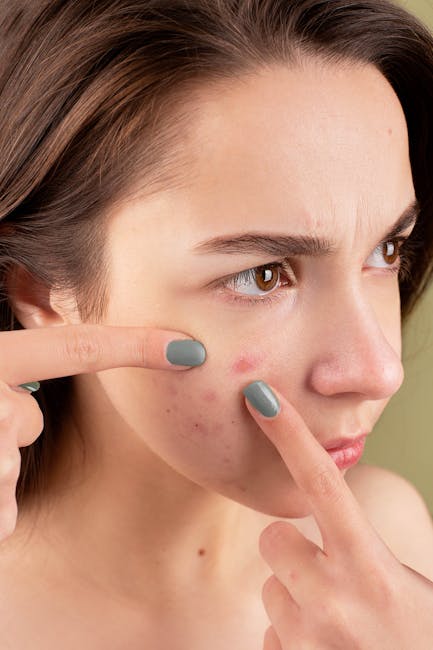
All acne — whether you’re 15 or 45 — involves four interconnected factors:
- Excess sebum production: Oil glands produce more sebum than the skin can handle.
- Clogged pores: Dead skin cells combine with sebum and block follicles.
- Bacterial overgrowth: Cutibacterium acnes (C. acnes) bacteria proliferate in clogged pores.
- Inflammation: The immune system responds to bacteria, causing redness, swelling, and pain.
What’s Different About Adult Acne
| Factor | Teen Acne | Adult Acne |
|---|---|---|
| Location | T-zone (forehead, nose, chin) | Lower face (jawline, chin, cheeks) and neck |
| Type | Blackheads, whiteheads, widespread breakouts | Deep, cystic, inflammatory papules; fewer but more painful |
| Primary driver | Puberty-related hormonal surge | Hormonal fluctuations, stress, barrier damage |
| Skin type | Usually oily | Often combination or even dry (oil plus dehydration) |
| Additional concerns | Usually none | Aging, hyperpigmentation, sensitivity, barrier compromise |
Common Triggers for Adult Acne in Women
- Hormonal fluctuations: Menstrual cycle (breakouts 7–10 days before period), perimenopause, PCOS, starting/stopping birth control.
- Stress: Cortisol triggers increased sebum production and inflammation.
- Wrong skincare products: Comedogenic ingredients, harsh cleansers that strip the barrier (causing reactive oil production), and over-exfoliation.
- Diet: High-glycemic foods (sugar, white bread, processed food) increase insulin and IGF-1, which stimulate oil production. Dairy (especially skim milk) is also linked to acne.
- Makeup: Comedogenic foundations and primers that clog pores, especially if not fully removed at night.
The Adult Acne Morning Routine (4 Steps)
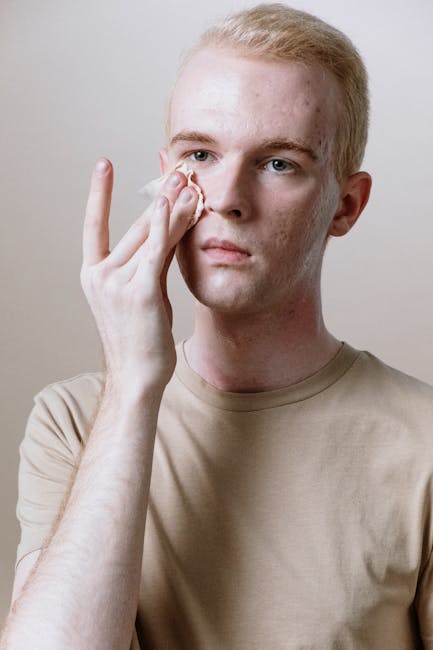
Step 1: Gentle, Non-Stripping Cleanser
Critical rule: Do NOT use harsh, acne-targeted cleansers that leave your skin feeling dry and tight. Over-stripping your skin triggers compensatory oil production and damages the barrier, making acne worse long-term.
- Choose a gel or cream cleanser that’s pH-balanced (4.5–5.5), sulfate-free, and fragrance-free.
- If you want a mild exfoliating cleanser, look for one with 0.5–2% salicylic acid (BHA).
Product picks: La Roche-Posay Toleriane Purifying Foaming Cleanser, CeraVe Foaming Facial Cleanser, Vanicream Gentle Facial Cleanser.
Step 2: Niacinamide Serum
Niacinamide (vitamin B3) at 2–5% is a multitasking hero for adult acne:
- Reduces inflammation and redness
- Regulates sebum production
- Minimizes pore appearance
- Fades post-acne hyperpigmentation (dark marks)
- Strengthens the skin barrier
Product picks: The Ordinary Niacinamide 10% + Zinc 1%, Paula’s Choice 10% Niacinamide Booster, CeraVe PM Moisturizing Lotion (contains niacinamide).
Step 3: Lightweight, Non-Comedogenic Moisturizer
Yes, acne-prone skin needs moisturizer. Skipping moisturizer dehydrates the skin, impairs barrier function, and triggers more oil production. Choose a lightweight, oil-free, non-comedogenic formula.
- Look for: hyaluronic acid, ceramides, squalane, niacinamide.
- Avoid: heavy oils (coconut, wheat germ), silicones that trap product (dimethicone in heavy concentrations), and anything labeled “rich” or “ultra-nourishing” unless your skin is genuinely dry.
Product picks: CeraVe PM Facial Moisturizing Lotion, Neutrogena Hydro Boost Gel-Cream, La Roche-Posay Effaclar Mat.
Step 4: Non-Comedogenic Sunscreen SPF 30+
Sunscreen is critical for acne-prone skin because:
- Post-acne dark marks (hyperpigmentation) darken with UV exposure.
- Many acne treatments (retinoids, BHAs, AHAs) increase photosensitivity.
- UV-induced inflammation can trigger new breakouts.
Product picks: EltaMD UV Clear SPF 46 (contains niacinamide, zinc oxide — designed for acne-prone skin), La Roche-Posay Anthelios Clear Skin SPF 60, Supergoop Unseen Sunscreen SPF 40.
The Adult Acne Evening Routine (5 Steps)
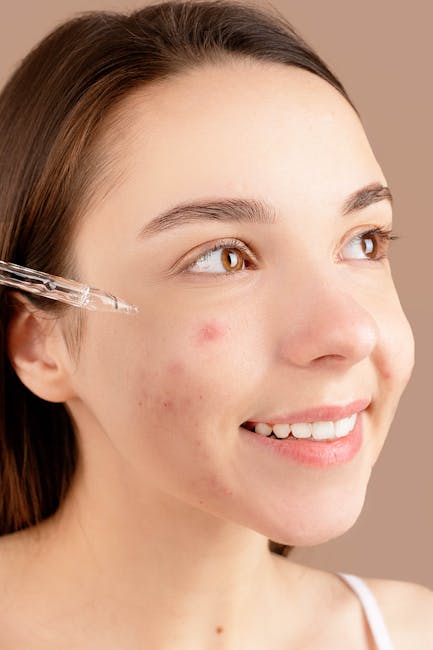
Step 1: Oil Cleanse (Makeup/SPF Removal)
It sounds counterintuitive, but oil cleansing is one of the best methods for acne-prone skin. Oil dissolves oil (including sebum plugs, makeup, and sunscreen) without stripping the barrier. Choose a non-comedogenic cleansing oil or balm.
Product picks: DHC Deep Cleansing Oil, Banila Co Clean It Zero, The Inkey List Oat Cleansing Balm.
Step 2: Gentle Cleanser (Second Cleanse)
Same cleanser as morning. The double cleanse ensures all SPF, makeup, and oil residue is removed.
Step 3: Active Treatment (The Star of Your Routine)
This is where the real work happens. Choose one of the following treatments — don’t combine multiple actives in the same routine to avoid irritation:
Option A: Retinoid (Best Overall for Adult Acne + Aging)
Retinoids are the single best ingredient for adult acne because they address acne AND aging simultaneously:
- Unclogs pores by normalizing cell turnover
- Reduces inflammation
- Fades post-acne marks
- Stimulates collagen (anti-aging benefit)
Recommended: Adapalene 0.1% (Differin Gel, available OTC) is the best starting retinoid for acne. It’s effective for acne with less irritation than tretinoin. For stronger treatment, prescription tretinoin (0.025–0.05%).
Option B: Salicylic Acid (BHA) 2%
Salicylic acid is oil-soluble, meaning it penetrates into pores to dissolve sebum plugs and dead skin cells. Ideal for blackheads, whiteheads, and mild inflammatory acne.
Recommended: Paula’s Choice Skin Perfecting 2% BHA Liquid Exfoliant.
Option C: Benzoyl Peroxide 2.5–5%
Kills acne-causing bacteria directly. Studies show 2.5% is as effective as 10% with significantly less irritation and dryness. Use as a wash (apply, leave 2–3 minutes, rinse) or as a leave-on treatment.
Important: Benzoyl peroxide bleaches fabrics. Use white towels and let the product dry fully before contacting pillows or clothing.
Recommended: PanOxyl 4% Creamy Wash or CeraVe Acne Foaming Cream Cleanser (4% BP).
Step 4: Hydrating Serum
Apply hyaluronic acid or a hydrating serum to damp skin after your treatment absorbs. This counteracts the drying effects of acne treatments.
Step 5: Moisturizer
Same non-comedogenic moisturizer as morning. Sealing in hydration overnight supports barrier repair and reduces irritation from acne treatments.
Treating Specific Types of Adult Acne
| Acne Type | Appearance | Best Treatment |
|---|---|---|
| Hormonal cystic acne (jawline/chin) | Deep, painful, under-the-skin nodules | Retinoid + see a dermatologist. Consider spironolactone (Rx). OTC products alone often insufficient. |
| Blackheads and whiteheads | Small, clogged pores across cheeks/nose/chin | Salicylic acid (BHA) 2% or adapalene |
| Inflammatory papules/pustules | Red, raised bumps with or without white heads | Benzoyl peroxide 2.5% + adapalene (this combination is available OTC as Differin + BP) |
| Post-acne dark marks (PIH) | Flat brown/dark spots where acne has healed | Vitamin C serum (AM) + retinoid (PM) + SPF daily. Azelaic acid 10% is also excellent. |
| Fungal acne | Uniform small bumps, often itchy, doesn’t respond to standard acne treatment | See a dermatologist. Antifungal treatment required. |
Foods That Help and Harm Acne
Foods That May Improve Acne
- Omega-3 fatty acids (salmon, sardines, walnuts): Reduce inflammation.
- Zinc-rich foods (pumpkin seeds, chickpeas, lentils): Zinc reduces inflammation and regulates oil production.
- Probiotics (yogurt, kefir, sauerkraut): Support the gut-skin axis.
- Green tea: Contains EGCG, which reduces sebum production and inflammation.
- Low-glycemic foods: Vegetables, whole grains, legumes, most fruits.
Foods That May Worsen Acne
- High-glycemic foods (sugar, white bread, pasta, processed snacks): Spike insulin and IGF-1, which stimulate oil production and inflammation.
- Dairy (especially skim milk): Contains hormones and growth factors that may stimulate oil glands. Cheese and yogurt appear less problematic than milk.
- Whey protein: Increases insulin and IGF-1. Switch to plant-based protein if acne is a concern.
Common Mistakes That Make Adult Acne Worse

- Using drying, harsh products. Stripping the skin creates a cycle: excessive dryness → barrier damage → compensatory oil production → more breakouts. Be gentle.
- Over-exfoliating. Using multiple exfoliants (scrub + AHA + BHA + retinoid) destroys the barrier and inflames the skin.
- Picking and squeezing. Creates post-inflammatory hyperpigmentation, scarring, and pushes bacteria deeper. Hands off.
- Switching products too frequently. Most acne treatments need 6–12 weeks to show full results. Don’t abandon a product after 2 weeks.
- Not wearing SPF. Post-acne marks become permanent dark spots with UV exposure.
- Using toothpaste, lemon juice, or baking soda. Home remedies that burn, irritate, and damage the skin. Stick to evidence-based ingredients.
- Ignoring hormonal factors. If acne flares with your cycle, is concentrated on the jawline, or hasn’t responded to topical treatment, hormones are likely a major driver. See a dermatologist for hormonal evaluation.
When to See a Dermatologist

- Acne hasn’t improved after 8–12 weeks of consistent OTC treatment.
- You have deep, cystic acne (hard, painful lumps under the skin).
- Acne is leaving scars.
- You suspect hormonal acne (cyclical, jawline-focused).
- You want prescription options: tretinoin, spironolactone, oral antibiotics, or isotretinoin (Accutane).
Frequently Asked Questions

Can I use anti-aging products if I have acne?
Yes. Retinoids are both the best anti-aging AND best anti-acne ingredient. Niacinamide, vitamin C, and hyaluronic acid are all acne-safe and anti-aging. Avoid heavy, comedogenic anti-aging creams.
Should I use a toner for acne?
Traditional astringent toners (with alcohol or witch hazel) dry and irritate the skin. If you want a toning step, use a BHA-based exfoliating toner (like Paula’s Choice 2% BHA) 2–3 nights per week instead.
Does makeup cause acne?
Comedogenic makeup can contribute to breakouts. Choose non-comedogenic, oil-free foundations and primers. Always double cleanse thoroughly every evening to remove all makeup. Mineral makeup is generally the safest for acne-prone skin.
How long does it take for acne to clear with proper treatment?
Expect 30–50% improvement at 4–6 weeks and 80–90% improvement at 12–16 weeks with consistent use of effective treatment. Acne treatments work slowly. Patience is essential.
Is adult acne caused by being “dirty” or not washing enough?
No. Acne is caused by hormones, genetics, inflammation, and bacterial factors — not hygiene. Over-washing actually makes acne worse by damaging the skin barrier.
Your Adult Acne Action Plan
- Week 1: Switch to a gentle cleanser and non-comedogenic moisturizer. Stop all harsh, drying products.
- Week 2: Add Differin (adapalene) 2–3 nights per week. Expect initial purging (existing clogs coming to the surface).
- Weeks 3–4: Add niacinamide serum to your morning routine. Increase adapalene to every other night.
- Weeks 4–8: Increase adapalene to nightly (if tolerated). Ensure SPF is applied every day.
- Week 12: Evaluate results. If significant improvement, maintain the routine. If insufficient, see a dermatologist for prescription options.
Adult acne is manageable. It requires patience, the right products, and a commitment to consistency over intensity. Your skin is not broken — it just needs the right approach.
Disclaimer: This article provides general skincare education. For persistent or severe acne, consult a board-certified dermatologist for personalized diagnosis and treatment.