Best Skincare Routine for Glowing Skin: Morning and Night Guide
Glowing skin isn’t a trend — it’s a marker of skin health. That luminous, lit-from-within radiance you see on some women isn’t genetic luck or Instagram filters. It’s the visible result of well-hydrated, properly exfoliated, adequately protected, and consistently nourished skin.
And it’s achievable at any age, with the right routine.
The science is straightforward: glowing skin has three characteristics — smooth texture (light reflects evenly), adequate hydration (plumped cells reflect more light), and even tone (no dark spots or redness to absorb light). Your routine needs to address all three to create genuine, lasting radiance.
What Creates (and Kills) Your Glow

| Glow Enhancers | Glow Killers |
|---|---|
| Consistent exfoliation (smooth, even surface) | Dead skin cell buildup (dull, rough texture) |
| Hyaluronic acid + ceramides (deep hydration) | Dehydration (cells shrink, skin looks flat and tired) |
| Vitamin C (brightens, evens tone) | Hyperpigmentation and uneven tone (absorbs light) |
| SPF protection (prevents damage) | UV damage (dark spots, redness, texture changes) |
| Retinol (accelerates renewal) | Slow cell turnover (buildup of old, dull cells) |
| Quality sleep (cellular repair) | Sleep deprivation (increases cortisol, dullness, puffiness) |
| Adequate water intake | Alcohol, excess caffeine (dehydrating) |
The Morning Glow Routine (5 Steps)
Step 1: Gentle Cleanser
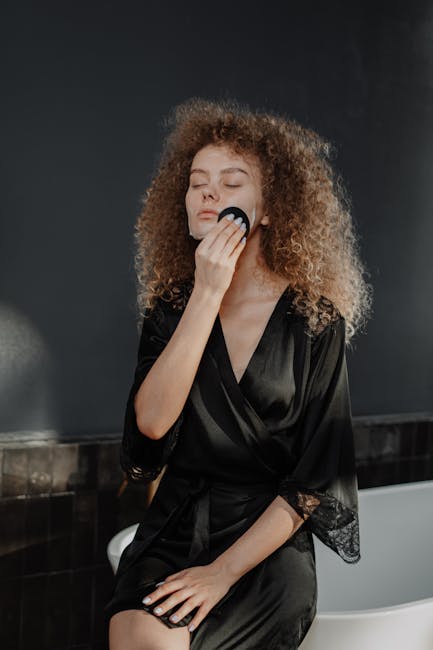
A gentle cleanser removes overnight oil and product residue without stripping the barrier. Your morning cleanse should never leave your skin feeling tight or dry.
- For dry/normal skin: Cream or milk cleanser (CeraVe Hydrating Cleanser, La Roche-Posay Toleriane).
- For oily/combination: Gentle gel cleanser (CeraVe Foaming Cleanser, Neutrogena Ultra Gentle Daily Cleanser).
- For very dry/sensitive skin: Lukewarm water only in the morning.
Pro tip: Use lukewarm water (never hot). Hot water strips oils and causes redness — the opposite of glow.
Step 2: Vitamin C Serum (The Glow Workhorse)
Vitamin C is the single most effective ingredient for achieving a glowing complexion. It addresses all three glow factors simultaneously:
- Brightens: Inhibits melanin production, fading dark spots and evening skin tone.
- Protects: Neutralizes free radicals from UV and pollution, preventing new damage.
- Firms: Essential cofactor for collagen synthesis, improving skin texture and plumpness.
How to apply: 3–5 drops of 10–20% L-ascorbic acid serum on clean, dry skin. Pat gently into face, neck, and chest. Allow 1–2 minutes to absorb.
Product picks: SkinCeuticals C E Ferulic ($182), Timeless Vitamin C+E+Ferulic ($25), Paula’s Choice C15 Super Booster ($52).
Step 3: Hyaluronic Acid Serum (Hydration = Glow)
Hydrated skin glows. Dehydrated skin looks flat and dull. It’s that simple.
Hyaluronic acid holds up to 1,000x its weight in water, plumping cells from the inside so that light reflects evenly across the skin surface.
How to apply: Apply to damp skin (splash your face with water first or mist with a facial spray). HA needs water to bind to — applying to dry skin can actually draw moisture out.
Product picks: The Ordinary Hyaluronic Acid 2% + B5 ($8), Vichy Minéral 89 ($30), Neutrogena Hydro Boost Serum ($20).
Step 4: Moisturizer with Barrier-Supporting Ingredients
Your moisturizer seals in the hydration from HA and creates a smooth surface that reflects light evenly. For glow-focused skincare, look for moisturizers with:
- Niacinamide: Brightens, reduces pore appearance, strengthens barrier.
- Ceramides: Rebuild the barrier, prevent moisture loss.
- Squalane: Gives a healthy, dewy finish without being greasy.
- Peptides: Support firmness and smooth texture.
Product picks: CeraVe PM Moisturizing Lotion ($15), Drunk Elephant Protini Polypeptide Cream ($68), First Aid Beauty Ultra Repair Cream ($14).
Step 5: Broad-Spectrum SPF 30+ (Glow Protector)
Sunscreen protects your investment in all the glow-building products you’ve just applied. Without SPF, UV damage creates dark spots, uneven tone, and texture damage that undo your entire routine.
SPF for glow: Choose a sunscreen that offers a luminous or dewy finish rather than a matte one (unless you’re very oily). Many modern sunscreens double as primers.
Product picks: Supergoop Glowscreen SPF 40 ($36 — has a visible glow finish), EltaMD UV Clear SPF 46 ($39), La Roche-Posay Anthelios SPF 60 ($36).
The Evening Glow Routine (6 Steps)

Step 1: Oil/Balm Cleanser (First Cleanse)
Oil dissolves oil, sunscreen, and makeup better than any water-based cleanser. This first cleanse does the heavy lifting of removal without stripping.
Product picks: DHC Deep Cleansing Oil ($15), Banila Co Clean It Zero ($19), The Inkey List Oat Cleansing Balm ($10).
Step 2: Gentle Cleanser (Second Cleanse)
Same gentle cleanser from morning. Removes any remaining residue for a truly clean canvas for your evening actives.
Step 3: Exfoliant (2–3x Per Week)
Exfoliation is the single most transformative step for glow. It removes the layer of dead skin cells that makes skin look dull and prevents light from reflecting evenly.
Chemical Exfoliation (Recommended)
- AHA (glycolic or lactic acid): Dissolves the bonds between dead skin cells. Best for dullness, texture, dark spots.
- BHA (salicylic acid): Oil-soluble, penetrates pores. Best for oily/acne-prone skin.
- PHA (polyhydroxy acids): Gentlest option. Best for sensitive skin.
Product picks: Paula’s Choice 8% AHA Gel ($30), The Ordinary Glycolic Acid 7% Toning Solution ($9), Pixi Glow Tonic 5% Glycolic ($15).
Important: Don’t use exfoliants on the same nights as retinol. Alternate nights to avoid over-exfoliation.
Step 4: Retinol (On Non-Exfoliant Nights)
Retinol accelerates cell turnover, pushing fresh, radiant cells to the surface faster. Over time, it transforms skin texture, fades dark spots, and creates a natural glow that no highlighter can replicate.
- Beginners: Start with 0.25–0.3% retinol, 2 nights per week. Increase gradually.
- Experienced: 0.5–1% retinol nightly or prescription tretinoin.
Product picks: CeraVe Resurfacing Retinol Serum ($18), Paula’s Choice Clinical 1% Retinol ($55), The Ordinary Retinol 0.5% in Squalane ($6).
Step 5: Hydrating Serum
After actives (exfoliant or retinol), rehydrate with hyaluronic acid or a hydrating serum to counteract any drying effects and support overnight repair.
Step 6: Rich Night Moisturizer or Facial Oil
Evening is the time for a richer moisturizer or the addition of a facial oil to seal in hydration. Your skin’s repair processes peak during sleep, and providing a nourishing environment maximizes overnight renewal.
- Facial oils for glow: Rosehip seed oil (brightening, lightweight), squalane oil (barrier repair, non-comedogenic), marula oil (antioxidant-rich).
- How to use: Mix 2–3 drops into your moisturizer or apply after moisturizer as a final seal.
Product picks: Drunk Elephant Lala Retro Whipped Cream ($60), CeraVe Skin Renewing Night Cream ($18), The Ordinary 100% Organic Cold-Pressed Rosehip Seed Oil ($10).
Weekly Glow Boosters
Hydrating Sheet Mask (1x Per Week)
Sheet masks deliver a concentrated dose of hydrating ingredients (HA, ceramides, niacinamide) that plump and brighten skin immediately. Best used on non-exfoliant, non-retinol nights.
Exfoliating Mask (1x Per Week)
A slightly stronger exfoliating treatment than your regular serum provides a deeper renewal. Look for enzyme masks (papaya, pumpkin) or AHA masks (10–15%).
Product picks: The Ordinary AHA 30% + BHA 2% Peeling Solution ($8 — use once per week MAX, 10 min), Drunk Elephant T.L.C. Babyfacial ($80).
Overnight Sleeping Mask (1–2x Per Week)
Sleeping masks provide intensive hydration and create an occlusive seal for maximum overnight absorption. Apply as the last step on your most hydrating nights.
Product picks: Laneige Water Sleeping Mask ($28), Glow Recipe Watermelon Glow Sleeping Mask ($42).
The Routine at a Glance
| Step | Morning | Evening |
|---|---|---|
| 1 | Gentle cleanser | Oil cleanser |
| 2 | Vitamin C serum | Gentle cleanser |
| 3 | Hyaluronic acid serum | AHA/BHA (2–3x/wk) OR Retinol (alternate nights) |
| 4 | Moisturizer | Hyaluronic acid serum |
| 5 | SPF 30–50 | Rich moisturizer + optional facial oil |
Lifestyle Habits for Lasting Glow

Hydration
Drink 64–80 oz of water daily. Dehydrated skin cannot glow. For extra credit, eat water-rich foods: cucumber, watermelon, berries, celery.
Sleep (The Cheapest Beauty Treatment)
Growth hormone — essential for skin repair and renewal — peaks during deep sleep. 7–9 hours of quality sleep is the most effective “beauty treatment” that costs you nothing.
Nutrition for Glow
- Omega-3s (salmon, walnuts, flaxseed): Strengthen cell membranes for plumper, more hydrated cells.
- Vitamin C foods (citrus, bell peppers, strawberries): Support collagen production from the inside.
- Antioxidant-rich foods (berries, leafy greens, dark chocolate): Combat oxidative damage.
- Avoid excess sugar: Glycation (sugar binding to collagen) stiffens and dulls the skin.
- Limit alcohol: Dehydrates skin and increases inflammation.
Movement
Exercise increases blood circulation, delivering oxygen and nutrients to skin cells and carrying away waste. The “post-workout glow” is real — increased blood flow literally brightens your complexion. Aim for 30 minutes of moderate exercise most days.
Common Mistakes That Kill Your Glow

- Over-exfoliating: Daily chemical exfoliation damages the barrier, causing redness and sensitivity (the opposite of glow). Stick to 2–3x per week.
- Skipping moisturizer: Even oily skin needs hydration. Skipping moisturizer leads to dehydration, which makes skin look dull and flat.
- Not removing sunscreen properly: SPF residue left on your skin blocks evening actives from penetrating. Double cleanse every night.
- Using too many matte products: Matte foundation, matte primer, matte sunscreen — these absorb light. For glow, choose dewy or satin finishes.
- Neglecting your neck and chest: These areas age faster than your face and impact your overall appearance. Extend every product below the jawline.
- Expecting instant results: A glowing complexion from skincare takes 4–8 weeks of consistent routine. The “instant glow” from products is temporary hydration — real glow comes from sustained skin health.
Frequently Asked Questions

Can I get glowing skin without expensive products?
Absolutely. The most effective glow ingredients (vitamin C, hyaluronic acid, glycolic acid, retinol, niacinamide) are all available at affordable price points from brands like The Ordinary, CeraVe, and Neutrogena. Your entire glow routine can cost under $50/month.
How long does it take to get glowing skin?
Hydration-based glow (HA, moisturizer): immediate to 1–2 weeks. Exfoliation-based glow (AHA, retinol): 4–6 weeks. Full transformation (even tone, smooth texture, radiance): 8–12 weeks of consistent routine.
What’s the most important product for glow?
If you can only use one product for glow, use a vitamin C serum. It brightens, protects, and supports collagen — addressing all three pillars of glow simultaneously.
Can mature skin glow?
Yes. In fact, the ingredients for glow (vitamin C, hyaluronic acid, retinol, exfoliants) are the same ones dermatologists recommend for anti-aging. A glow routine IS an anti-aging routine. Age is not a barrier to radiant skin.
Should I use a facial mist for glow?
Facial mists provide a temporary refresh and can help HA serum absorb better (spray before applying HA). However, they’re supplementary, not essential. If it makes your routine more enjoyable and keeps your skin hydrated, use one.
Start Here: The 3-Product Glow Starter
If you’re overwhelmed, begin with just three products:
- Vitamin C serum (morning): Timeless 20% Vitamin C (~$25)
- Hyaluronic acid (morning + evening): The Ordinary HA 2% + B5 (~$8)
- Glycolic acid exfoliant (2x/week, evening): The Ordinary Glycolic Acid 7% (~$9)
Total investment: ~$42. Add these to your existing cleanser, moisturizer, and sunscreen, and you’ll see a meaningful difference in 4–6 weeks.
Glow isn’t a product. It’s a state of skin health. Build the routine, maintain the habits, and the radiance will follow.
Disclaimer: This article provides general skincare education. For persistent skin concerns, consult a board-certified dermatologist for personalized advice.