
Natural Ways to Balance Hormones in Women: A Complete Beginner’s Guide

If you’ve ever felt inexplicably exhausted, gained weight despite eating well, struggled with mood swings that seem to come from nowhere, or noticed your skin breaking out like you’re 16 again — your hormones might be the hidden culprit.
Hormonal imbalances affect an estimated 80% of women at some point in their lives. Yet most women don’t realize that the fatigue, brain fog, irritability, irregular periods, and stubborn belly fat they’re experiencing are all connected to the same root cause: hormones that are out of balance.
The good news? You don’t have to accept these symptoms as “normal.” And you don’t necessarily need prescription medications to start feeling better. There are powerful, evidence-backed natural strategies that can help your body restore hormonal balance — starting with changes you can make today.
This guide covers everything a beginner needs to know: what hormones actually are, how they get out of balance, and the most effective natural approaches to getting them back on track.
Understanding Your Hormones: The Basics

Hormones are chemical messengers produced by your endocrine glands (thyroid, adrenal glands, ovaries, pancreas, and others). They travel through your bloodstream and tell your organs, tissues, and cells what to do and when to do it.
Key Hormones Every Woman Should Know
| Hormone | Produced By | Key Functions |
|---|---|---|
| Estrogen | Ovaries, fat cells | Menstrual cycle, bone health, mood, skin elasticity |
| Progesterone | Ovaries | Supports pregnancy, calming effect, balances estrogen |
| Testosterone | Ovaries, adrenals | Libido, muscle mass, energy, confidence |
| Cortisol | Adrenal glands | Stress response, blood sugar, inflammation |
| Insulin | Pancreas | Blood sugar regulation, fat storage |
| Thyroid (T3/T4) | Thyroid gland | Metabolism, energy, body temperature, weight |
| Melatonin | Pineal gland | Sleep-wake cycle |
These hormones don’t work in isolation — they form an interconnected web. When one goes out of balance, it often pulls others with it. This is why hormone issues rarely show up as a single symptom; they tend to create a cascade of seemingly unrelated problems.
Signs Your Hormones May Be Out of Balance
Your body is constantly sending signals when something is off. Here are the most common signs of hormonal imbalance in women:
Physical Signs
- Unexplained weight gain, especially around the midsection
- Persistent fatigue that sleep doesn’t fix
- Irregular, heavy, or painful periods
- Adult acne or sudden skin changes
- Hair thinning or excess facial/body hair
- Bloating and digestive issues
- Night sweats or hot flashes
- Low libido
- Difficulty sleeping or staying asleep
Emotional and Mental Signs
- Anxiety that feels disproportionate to your circumstances
- Depression or persistent low mood
- Brain fog and difficulty concentrating
- Mood swings and irritability
- Feeling “wired but tired”
If you’re experiencing three or more of these symptoms consistently, it’s worth investigating your hormonal health with a healthcare provider. Blood tests for estrogen, progesterone, testosterone, cortisol, thyroid hormones (TSH, T3, T4), and fasting insulin can provide a clear picture.
Common Causes of Hormonal Imbalance

Understanding what disrupts your hormones helps you target the right fixes:
- Chronic stress: Prolonged stress elevates cortisol, which suppresses progesterone production, disrupts thyroid function, and increases insulin resistance. This is the number one cause of hormonal imbalance in modern women.
- Poor diet: Excess sugar, processed foods, and refined carbohydrates spike insulin and increase inflammation — both of which disrupt estrogen and progesterone balance.
- Sleep deprivation: Less than 7 hours of sleep disrupts cortisol rhythm, reduces growth hormone, increases hunger hormones (ghrelin), and decreases leptin (the satiety hormone).
- Environmental toxins: Endocrine disruptors in plastics (BPA), pesticides, personal care products, and household cleaners can mimic estrogen in your body, leading to estrogen dominance.
- Gut health issues: Your gut microbiome contains a collection of bacteria called the estrobolome that helps metabolize and eliminate estrogen. An unhealthy gut can lead to estrogen recirculation and dominance.
- Overexercising: Excessive high-intensity exercise without adequate recovery can raise cortisol and suppress reproductive hormones.
- Age: Natural hormonal shifts occur during perimenopause (typically starting in the late 30s to early 40s), menopause, and postmenopause.
Natural Strategy 1: Eat for Hormone Balance

What you eat directly affects hormone production, metabolism, and elimination. These dietary principles support hormonal harmony:
Prioritize Protein at Every Meal
Protein provides amino acids that your body can’t produce on its own — several of which are essential for hormone synthesis. Aim for 25–35 grams of protein per meal.
- Wild-caught salmon, sardines (rich in omega-3 fatty acids)
- Pastured eggs (contain cholesterol needed for hormone production)
- Organic chicken and turkey
- Lentils, chickpeas, and beans
- Greek yogurt and cottage cheese
Embrace Healthy Fats
Hormones are made from cholesterol and fatty acids. A low-fat diet can literally starve your body of the building blocks it needs to produce hormones.
- Avocados: Rich in monounsaturated fats and potassium.
- Extra virgin olive oil: Anti-inflammatory, supports estrogen metabolism.
- Nuts and seeds: Flaxseeds (phytoestrogens), walnuts (omega-3s), pumpkin seeds (zinc for progesterone).
- Coconut oil: Medium-chain triglycerides support thyroid function.
- Fatty fish: Salmon, mackerel, and sardines provide omega-3s that reduce inflammation.
Load Up on Cruciferous Vegetables
Broccoli, cauliflower, Brussels sprouts, kale, and cabbage contain a compound called indole-3-carbinol (I3C) that supports healthy estrogen metabolism. Aim for at least one serving daily.
Control Blood Sugar
Blood sugar spikes trigger insulin surges, which disrupt nearly every other hormone. To keep blood sugar stable:
- Eat protein, fat, and fiber before carbohydrates at every meal.
- Avoid refined sugar, white bread, and processed snacks.
- Don’t skip meals — but also avoid constant snacking.
- Start your day with protein, not cereal, toast, or juice.
Foods to Minimize or Avoid
- Refined sugar and high-fructose corn syrup: Drives insulin resistance and inflammation.
- Excess caffeine: More than 200mg/day (about 2 cups of coffee) can elevate cortisol, especially if you’re already stressed.
- Alcohol: Even moderate alcohol consumption impairs estrogen detoxification and disrupts sleep hormones.
- Processed seed oils: Soybean, corn, canola, and sunflower oils are highly inflammatory.
- Soy products (in excess): Contain phytoestrogens that can be problematic for women with estrogen dominance.
Natural Strategy 2: Manage Stress Like Your Hormones Depend on It (They Do)

Cortisol is the master disruptor. When chronic stress keeps cortisol elevated, it steals the building blocks (pregnenolone) that your body would otherwise use to make progesterone. This is called the “pregnenolone steal” — and it’s one of the most common mechanisms behind hormone imbalance in women.
Proven Stress-Reduction Techniques
- Deep breathing (4-7-8 technique): Inhale for 4 seconds, hold for 7, exhale for 8. Do this for 5 minutes, twice daily. Research shows this activates the parasympathetic nervous system and lowers cortisol within minutes.
- Meditation: Even 10 minutes of daily meditation has been shown to reduce cortisol by up to 25%.
- Walking in nature: 20–30 minutes of walking in green spaces reduces cortisol, blood pressure, and anxiety.
- Journaling: Writing down stressors helps your brain process and release them, reducing the biological stress response.
- Setting boundaries: Saying “no” to overcommitment is a hormonal health strategy, not just a lifestyle choice.
Natural Strategy 3: Prioritize Sleep Quality

Sleep is when your body repairs, detoxifies, and produces many of its hormones. Poor sleep is a guaranteed path to hormonal chaos.
Sleep Hygiene for Hormone Balance
- Aim for 7–9 hours nightly. Non-negotiable for hormonal health.
- Keep a consistent schedule. Go to bed and wake up at the same time daily, even on weekends. This regulates your circadian rhythm and cortisol curve.
- Eliminate blue light 1–2 hours before bed. Blue light from screens suppresses melatonin production. Use blue-light-blocking glasses or switch to warm-toned lighting.
- Keep your bedroom cool. Ideal sleep temperature is 65–68°F (18–20°C). Cool temperatures support melatonin production and deeper sleep.
- Avoid caffeine after noon. Caffeine has a half-life of 5–6 hours, meaning half of your afternoon coffee is still in your system at bedtime.
- Morning sunlight exposure. Get 10–15 minutes of natural light within an hour of waking. This sets your circadian clock and supports healthy cortisol patterns (high in the morning, low at night).
Natural Strategy 4: Move Your Body (But Don’t Overdo It)

Exercise is a powerful hormone regulator — but the type, intensity, and timing matter more than most women realize.
Best Exercise Types for Hormone Balance
- Strength training (2–3x per week): Builds lean muscle, improves insulin sensitivity, supports testosterone and growth hormone. This is the single most effective exercise type for hormonal health in women over 30.
- Walking (daily, 20–40 minutes): Lowers cortisol without stressing the adrenals. The most underrated exercise for hormone health.
- Yoga (2–3x per week): Reduces cortisol, supports thyroid function, and has been shown to improve progesterone levels in some studies.
- HIIT (1–2x per week maximum): Effective for insulin sensitivity but can elevate cortisol if overdone. Limit to 20–25 minutes per session.
Exercise Mistakes That Hurt Hormones
- Doing intense cardio daily (marathons, spin classes 5x/week) without recovery.
- Exercising in a fasted state when you’re already stressed or undereating.
- Not varying intensity throughout the menstrual cycle (more intense in the first half, gentler in the second half).
Natural Strategy 5: Reduce Endocrine Disruptors in Your Environment

Environmental chemicals can mimic, block, or interfere with your hormones. Reducing exposure is a meaningful step toward balance.
Quick Swaps to Reduce Toxin Exposure
- Replace plastic food containers with glass or stainless steel, especially for heating food.
- Switch to natural personal care products. Look for paraben-free, phthalate-free, and fragrance-free options. The EWG Skin Deep database rates products by safety.
- Filter your water. A quality water filter removes chlorine, fluoride, and trace pharmaceuticals (including hormones from birth control that enter the water supply).
- Choose organic for the “Dirty Dozen.” Prioritize organic versions of the 12 most pesticide-heavy produce items (strawberries, spinach, kale, grapes, apples, etc.).
- Avoid synthetic fragrances. Air fresheners, scented candles, and perfumes often contain phthalates. Use essential oils instead.
Natural Strategy 6: Supplements That Support Hormone Balance
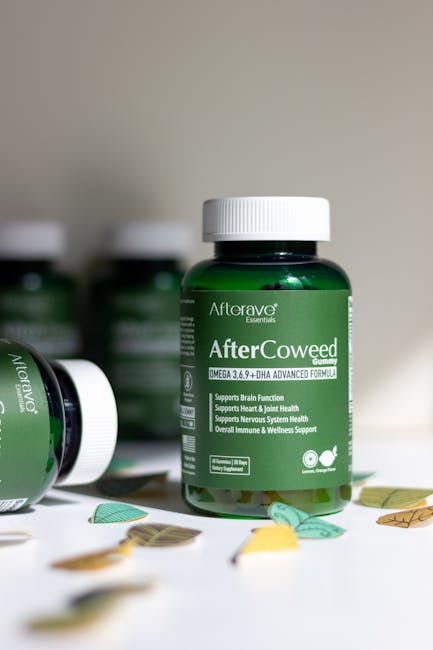
Supplements shouldn’t replace a healthy diet, but they can fill gaps that are difficult to address through food alone.
Evidence-Backed Supplements for Women’s Hormonal Health
| Supplement | Supports | Typical Dose |
|---|---|---|
| Magnesium glycinate | Sleep, cortisol, PMS, insulin | 200–400mg before bed |
| Vitamin D3 | Mood, immune function, hormone production | 2,000–5,000 IU daily (test levels first) |
| Omega-3 fish oil | Inflammation, brain health, estrogen metabolism | 1,000–2,000mg EPA+DHA daily |
| Vitamin B6 | Progesterone support, PMS relief | 50–100mg daily |
| Zinc | Thyroid, progesterone, immune function | 15–30mg daily |
| Ashwagandha | Cortisol reduction, thyroid support, anxiety | 300–600mg daily (KSM-66 extract) |
| DIM (Diindolylmethane) | Estrogen detoxification | 100–200mg daily |
| Probiotics | Gut health, estrogen metabolism | Multi-strain, 10–50 billion CFU |
Important: Always consult your healthcare provider before starting supplements, especially if you’re on medication or have existing health conditions. Supplements interact with prescription drugs and are not universally appropriate.
Natural Strategy 7: Support Your Gut Health
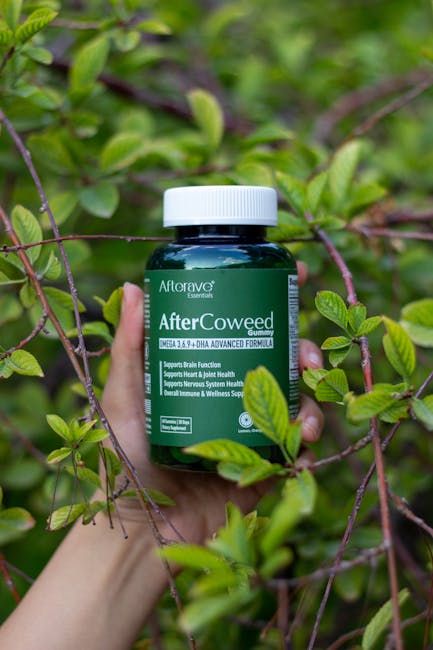
Your gut is often called the “second brain,” but when it comes to hormones, it could also be called the “second endocrine system.” The gut microbiome plays a direct role in estrogen metabolism through the estrobolome — a collection of bacteria responsible for processing and eliminating estrogen.
Gut-Hormone Connection Actions
- Eat fermented foods daily: Sauerkraut, kimchi, kefir, yogurt, and miso introduce beneficial bacteria.
- Increase fiber intake: 25–35 grams daily from vegetables, legumes, flaxseeds, and whole grains. Fiber binds to excess estrogen and helps eliminate it.
- Take a quality probiotic: Look for multi-strain formulas with Lactobacillus and Bifidobacterium strains.
- Avoid unnecessary antibiotics: They destroy beneficial gut bacteria. When antibiotics are medically necessary, follow up with probiotics and fermented foods.
Cycle Syncing: Working With Your Menstrual Cycle

One of the most powerful natural approaches to hormone balance is cycle syncing — adjusting your diet, exercise, and lifestyle to match the four phases of your menstrual cycle.
| Phase | Days (approx.) | Dominant Hormones | Best Practices |
|---|---|---|---|
| Menstrual | 1–5 | All hormones low | Rest, gentle movement, nourishing foods, iron-rich meals |
| Follicular | 6–14 | Estrogen rising | Try new things, increase intensity, social activities, lighter foods |
| Ovulatory | 15–17 | Estrogen peaks, LH surge | Highest energy — HIIT, strength training, social connections |
| Luteal | 18–28 | Progesterone rising | Slow down, stress less, warm/comfort foods, yoga, walking |
When to See a Doctor
Natural strategies are powerful, but they have limits. See a healthcare provider if:
- Your periods have stopped for 3+ months (and you’re not pregnant or in menopause).
- You have persistent symptoms despite lifestyle changes for 3+ months.
- You’re experiencing severe mood changes, depression, or anxiety.
- You suspect thyroid dysfunction (extreme fatigue, unexplained weight changes, hair loss).
- You’re trying to conceive and struggling with fertility.
Request comprehensive hormone testing: estradiol, progesterone, testosterone (free and total), DHEA-S, cortisol (morning), TSH, free T3, free T4, and fasting insulin.
Frequently Asked Questions

How long does it take to naturally balance hormones?
Most women notice improvements in energy, mood, and sleep within 2–4 weeks of consistent lifestyle changes. Full hormonal rebalancing typically takes 3–6 months, since your body needs time to adjust hormone production and establish new patterns.
Can food really affect my hormones?
Absolutely. What you eat directly provides the raw materials for hormone production, affects insulin levels (which influence all other hormones), impacts gut health (which affects estrogen metabolism), and either increases or decreases inflammation. Diet is arguably the most powerful lever you have for hormone balance.
Is it normal for hormones to fluctuate?
Yes. Hormones naturally fluctuate throughout your menstrual cycle, throughout the day, and across life stages (puberty, pregnancy, perimenopause, menopause). The goal isn’t to eliminate fluctuation — it’s to ensure the fluctuations stay within healthy ranges and your body can effectively produce, use, and eliminate hormones.
Do birth control pills cause hormonal imbalance?
Hormonal birth control works by overriding your natural hormone production with synthetic hormones. While on the pill, your natural cycles are suppressed. Some women experience symptoms when coming off hormonal birth control as their body re-learns to produce hormones naturally. This transition can take 3–12 months.
What’s the most impactful single change I can make?
If you can only do one thing, prioritize sleep. Getting 7–9 hours of quality sleep in a cool, dark room has cascading positive effects on cortisol, insulin, thyroid hormones, and reproductive hormones. It’s the foundation everything else builds upon.
Your Starting Point

Don’t try to overhaul everything at once. Choose one strategy from this guide and commit to it for two weeks. The easiest starting points:
- Add protein to every meal and eliminate refined sugar for 14 days.
- Implement a consistent sleep schedule with no screens 1 hour before bed.
- Start a daily 10-minute breathing or meditation practice.
Once that change becomes a habit, add the next one. Over 3–6 months, these compounding changes can transform your hormonal health — and with it, your energy, mood, weight, sleep, and overall quality of life.
Disclaimer: This article provides general health education and is not a substitute for professional medical advice, diagnosis, or treatment. Always consult your healthcare provider before making significant dietary or lifestyle changes, especially if you have existing health conditions or take medications.