
Best Diet Plan for Women Over 50 to Lose Weight and Stay Healthy

The diet industry has failed women over 50. Most popular diets are designed for 25-year-olds with fast metabolisms and no hormonal complexity. They ignore the realities of menopause, declining bone density, insulin resistance, and the muscle loss that accelerates after 50. Following these plans doesn’t just fail to produce results — it can actually damage your health.
What women over 50 need isn’t a “diet” in the traditional sense. You need a sustainable eating strategy that simultaneously supports weight loss, protects bone density, maintains muscle mass, manages blood sugar, supports heart health, and gives you consistent energy without feeling deprived.
That’s exactly what this guide provides.
Nutritional Priorities for Women Over 50
After 50, your nutritional needs shift in specific ways. Understanding these changes is the foundation of eating well:
Priority 1: Higher Protein Requirements
After 50, your body becomes less efficient at using dietary protein to build and maintain muscle — a phenomenon called anabolic resistance. This means you need more protein than younger women to achieve the same muscle-preserving effect.
| General Recommendation | Women Under 50 | Women Over 50 |
|---|---|---|
| Minimum daily protein | 0.8g per pound | 1.0–1.2g per pound |
| Per meal target | 25–30g | 30–40g |
| Leucine per meal (muscle trigger) | 2g | 3g minimum |
Why this matters: Each decade after 30, you lose 3–8% of muscle mass. After 50, this accelerates. Muscle drives metabolism, supports bone density, protects joints, and determines your functional independence as you age. Protein isn’t about bodybuilding — it’s about quality of life.
Priority 2: Bone-Supporting Nutrients
Women lose up to 20% of bone density in the first 5–7 years after menopause. Your diet needs to actively protect your skeleton:
- Calcium: 1,200mg/day (food + supplement). Sources: dairy, sardines with bones, fortified plant milk, leafy greens, tofu.
- Vitamin D3: 2,000–5,000 IU daily (test levels; aim for 40–60 ng/mL).
- Vitamin K2: 100–200mcg daily. Directs calcium to bones.
- Magnesium: 300–400mg daily. Over 60% of dietary magnesium goes to bone formation.
- Protein: Yes, protein again. It’s a major structural component of bone.
Priority 3: Anti-Inflammatory Eating
Inflammation increases significantly after menopause due to estrogen loss. Chronic inflammation drives weight gain, joint pain, cardiovascular risk, and cognitive decline.
Priority 4: Heart-Protective Nutrients
Heart disease is the #1 killer of women after menopause. Dietary choices directly influence cholesterol, blood pressure, and arterial health.
The Ideal Diet Framework for Women Over 50

After reviewing the evidence, the dietary pattern most strongly supported for women over 50 combines elements of the Mediterranean diet with higher protein emphasis. This isn’t a rigid meal plan — it’s a flexible framework.
The Modified Mediterranean-Protein Framework
| Food Category | Daily Servings | Serving Size Examples |
|---|---|---|
| Protein (animal or plant) | 3–4 servings | 4 oz fish/poultry, 2 eggs, 1 cup legumes, 1 cup Greek yogurt |
| Vegetables (non-starchy) | 5–7 servings | 1 cup raw, 1/2 cup cooked |
| Fruits | 2–3 servings | 1 medium fruit, 1 cup berries |
| Healthy fats | 3–4 servings | 1 tbsp olive oil, 1/4 avocado, 1 oz nuts |
| Complex carbs | 2–3 servings | 1/2 cup cooked grains, 1 slice whole-grain bread, 1/2 cup sweet potato |
| Dairy or calcium sources | 2–3 servings | 1 cup yogurt, 1 oz cheese, 1 cup fortified milk |
| Fermented foods | 1–2 servings | 1/2 cup sauerkraut, 1/2 cup kimchi, 1 cup kefir |
Key Principles
- Protein at every meal and snack. No meal should be protein-free.
- Half your plate is vegetables. Color diversity ensures broad antioxidant coverage.
- Healthy fats daily. Olive oil, avocado, nuts, seeds, and fatty fish provide anti-inflammatory omega-3s and support hormone production.
- Moderate complex carbohydrates. You don’t need to go low-carb, but choose whole, fiber-rich options and eat them last in your meal.
- Hydrate intentionally. Aim for 64–80 oz of water daily. Dehydration worsens fatigue, brain fog, and can be mistaken for hunger.
Sample 7-Day Meal Plan

Day 1
- Breakfast: 3-egg omelet with spinach, tomatoes, feta cheese. Side of berries. Black coffee or green tea.
- Lunch: Large salad with grilled chicken, avocado, chickpeas, cucumbers, olive oil + lemon dressing.
- Snack: Greek yogurt with walnuts and a drizzle of honey.
- Dinner: Baked salmon, roasted broccoli and sweet potato, side of sauerkraut.
Day 2
- Breakfast: Protein smoothie: whey protein, frozen berries, spinach, almond butter, almond milk.
- Lunch: Turkey lettuce wraps with hummus, shredded carrots, bell peppers. Side of lentil soup.
- Snack: Apple slices with almond butter.
- Dinner: Grilled chicken thighs, quinoa, roasted Mediterranean vegetables (zucchini, eggplant, peppers) with olive oil.
Day 3
- Breakfast: Overnight oats with chia seeds, protein powder, berries, and walnuts.
- Lunch: Tuna salad (made with olive oil instead of mayo) over mixed greens with tomatoes and olives.
- Snack: Cottage cheese with sliced cucumber and everything bagel seasoning.
- Dinner: Slow cooker beef stew with carrots, potatoes, and celery. Side salad.
Days 4–7: Rotation Principles
Rotate protein sources (fish 3x/week, poultry 2x, plant-based 2x), vary vegetables by color, and alternate complex carb sources. This ensures nutritional diversity and prevents boredom.
Foods to Eat Generously

- Fatty fish: Salmon, sardines, mackerel, herring (2–3x/week). Omega-3s reduce inflammation, support brain health, and protect the heart.
- Leafy greens: Kale, spinach, Swiss chard, arugula — rich in calcium, vitamin K, and antioxidants.
- Berries: Blueberries, strawberries, raspberries — among the most antioxidant-dense foods available. Support brain health and blood sugar management.
- Legumes: Lentils, chickpeas, black beans — excellent plant protein and fiber. Support gut health and blood sugar regulation.
- Nuts and seeds: Almonds, walnuts, flaxseeds, chia seeds — healthy fats, fiber, and minerals.
- Extra virgin olive oil: The cornerstone of the Mediterranean diet. Anti-inflammatory, heart-protective, and supports healthy cholesterol.
- Cruciferous vegetables: Broccoli, cauliflower, Brussels sprouts, cabbage — support estrogen metabolism and detoxification.
- Eggs: Complete protein, rich in choline (critical for brain health), B vitamins, and vitamin D.
- Fermented foods: Yogurt, kefir, sauerkraut, kimchi, miso — support gut microbiome and hormone metabolism.
Foods to Limit or Avoid
- Added sugar: Limit to under 25g/day. Read labels — sugar hides in sauces, dressings, yogurts, and “health” foods.
- Refined carbohydrates: White bread, pasta, cereals, crackers — spike blood sugar and insulin.
- Processed seed oils: Soybean, corn, canola, sunflower oils increase inflammation. Cook with olive oil, avocado oil, or butter.
- Alcohol: Even moderate consumption disrupts sleep, increases hot flashes, accelerates bone loss, and promotes weight gain. Limit to 3–4 drinks per week maximum.
- Ultra-processed foods: Generally anything with more than 5 ingredients you can’t pronounce. These are engineered to override satiety signals and promote overeating.
- Excess sodium: Increases blood pressure risk (which rises after menopause). Aim for under 2,300mg/day.
Supplements to Support Your Diet
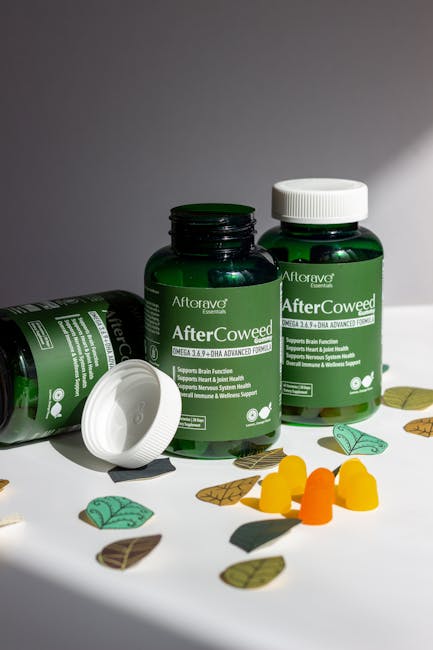
| Supplement | Why It Matters After 50 | Daily Dose |
|---|---|---|
| Vitamin D3 + K2 | Bone density, immune function, mood, calcium absorption | 2,000–5,000 IU D3 + 200mcg K2 |
| Magnesium glycinate | Bone health, sleep, muscle cramps, blood sugar | 300–400mg |
| Omega-3 (EPA+DHA) | Heart, brain, inflammation, joint health | 2,000mg |
| Calcium citrate | Bone density (if dietary intake is below 1,200mg) | 500–600mg |
| Probiotics | Gut health, estrogen metabolism, immune function | Multi-strain, 10–50 billion CFU |
| Collagen peptides | Skin elasticity, joint health, bone support | 10–15g |
| B12 | Energy, cognitive function (absorption decreases with age) | 1,000mcg methylcobalamin |
Eating Habits That Support Weight Loss After 50
Habit 1: Eat Within a 10–12 Hour Window
A gentle form of time-restricted eating (e.g., 7 AM to 7 PM) supports metabolic function without the cortisol-raising effects of extended fasting. This gives your body 12–14 hours overnight to rest, repair, and process.
Habit 2: Front-Load Your Calories
Eat more earlier in the day when insulin sensitivity is highest. A substantial breakfast with 30–40g protein, a moderate lunch, and a lighter dinner aligns with your circadian metabolism and supports better sleep.
Habit 3: Chew Slowly and Eat Mindfully
Satiety signals take 20 minutes to reach your brain. Eating slowly allows these signals to register, naturally reducing portion sizes. Put your fork down between bites. Eat at a table, not in front of screens.
Habit 4: Prep Protein in Advance
The biggest barrier to adequate protein intake is convenience. Spend 1-2 hours on Sunday prepping protein for the week: hard-boil eggs, grill chicken, cook lentils, portion out Greek yogurt. When protein is ready to eat, you’ll eat it.
Frequently Asked Questions

What’s the best diet for women over 50?
A modified Mediterranean diet with higher protein emphasis (1.0–1.2g per pound of body weight) is the most evidence-supported approach. It protects the heart, supports bone density, manages weight, reduces inflammation, and provides sustained energy.
Should women over 50 go low-carb or keto?
Moderate carb reduction (not elimination) is beneficial. Extreme low-carb or keto diets can worsen thyroid function, increase cortisol, and reduce serotonin production in menopausal women. Include 100–150g of complex carbohydrates daily from whole-food sources.
How many calories should a woman over 50 eat to lose weight?
Most moderately active women over 50 can lose weight sustainably at 1,500–1,800 calories. Never go below 1,400 calories. A deficit of 250–500 calories below your maintenance level is the sweet spot for fat loss without metabolic damage.
Is dairy good or bad after menopause?
Quality dairy (Greek yogurt, kefir, aged cheeses) is beneficial for calcium, protein, and probiotics. Avoid sweetened yogurts and flavored milks. If you’re lactose intolerant, use lactose-free dairy or focus on other calcium sources and supplement as needed.
How important is fiber for women over 50?
Extremely important. Fiber supports gut health, helps eliminate excess estrogen, regulates blood sugar, lowers cholesterol, and promotes satiety. Aim for 25–35g daily from vegetables, legumes, berries, flaxseeds, and whole grains. Increase gradually to avoid digestive discomfort.
Your Starting Plan This Week

- Add 30g protein to breakfast. If you currently eat toast or cereal, switch to eggs, Greek yogurt, or a protein smoothie.
- Eat vegetables at every meal — including breakfast (spinach in eggs, berries with yogurt).
- Cook with olive oil instead of vegetable oils.
- Eat fatty fish at least twice this week (salmon, sardines, or mackerel).
- Drink 8 glasses of water daily — keep a water bottle visible at all times.
The best diet for a woman over 50 isn’t a temporary restriction — it’s a permanent upgrade to how you nourish your body. Your nutritional needs have changed, and your eating strategy should change with them. The result isn’t just weight loss — it’s better energy, stronger bones, a sharper mind, and a body that works with you rather than against you.
Disclaimer: This article provides general nutrition education and is not a substitute for personalized medical or dietary advice. Consult a registered dietitian or healthcare provider before making significant dietary changes, especially if you have existing health conditions or take medications.