
Best Foods for Gut Health in Women: Improve Digestion and Energy Naturally
 If you’re a woman struggling with low energy, sluggish digestion, bloating, or just a general sense of feeling “off” — the answer might not be in a supplement bottle or a doctor’s office. It might be on your plate.
Your gut microbiome — the community of trillions of bacteria living in your digestive tract — is directly shaped by the foods you eat. Every meal is either nourishing the beneficial bacteria that support your health or feeding the harmful ones that undermine it. Over time, these daily choices compound into either a thriving gut ecosystem or a depleted one.
For women specifically, gut health connects to hormonal balance (through the estrobolome), mental health (through the gut-brain axis), immune function, skin health, weight management, and energy levels. It’s not an exaggeration to say that your gut health determines how good you feel in your body every single day.
This guide identifies the best foods for gut health, explains the science behind why they work, and gives you a practical plan for incorporating them into meals you’ll actually enjoy.
The Three Categories of Gut-Healing Foods

Every gut-healing food falls into one of three categories. You need all three daily for optimal results:
| Category | What It Does | Examples |
|---|---|---|
| Probiotics | Introduce live beneficial bacteria into your gut | Fermented foods: yogurt, kefir, sauerkraut, kimchi |
| Prebiotics | Feed and multiply your existing beneficial bacteria | Fiber-rich foods: garlic, onions, leeks, oats, bananas |
| Anti-inflammatory / Gut-healing | Reduce intestinal inflammation and repair the gut lining | Bone broth, omega-3s, turmeric, ginger |
Top Probiotic Foods for Women
1. Sauerkraut (Raw, Unpasteurized)
Why it’s excellent: Raw sauerkraut contains live Lactobacillus bacteria — the same genus found in the highest-quality probiotic supplements. It’s also a rich source of vitamin C, vitamin K, and fiber.
- How to use: 2–3 tablespoons alongside any savory meal. Add to salads, grain bowls, sandwiches, or eat as a side.
- Important: Only buy sauerkraut from the refrigerated section with “live cultures” on the label. Shelf-stable sauerkraut has been pasteurized, killing all beneficial bacteria.
- Bonus for women: Lactobacillus strains support vaginal and urinary tract health in addition to digestive health.
2. Kefir
Why it’s excellent: Kefir contains up to 61 different strains of bacteria and yeast — far more microbial diversity than yogurt. It’s one of the most powerful probiotic foods available.
- How to use: Drink plain, blend into smoothies, or pour over granola. Also makes an excellent base for overnight oats.
- Dairy vs. water kefir: Dairy kefir has more strains and provides calcium and protein. Water kefir is dairy-free but still provides considerable probiotic benefit.
- Note: Many people who are lactose intolerant can tolerate kefir because the fermentation process breaks down most of the lactose.
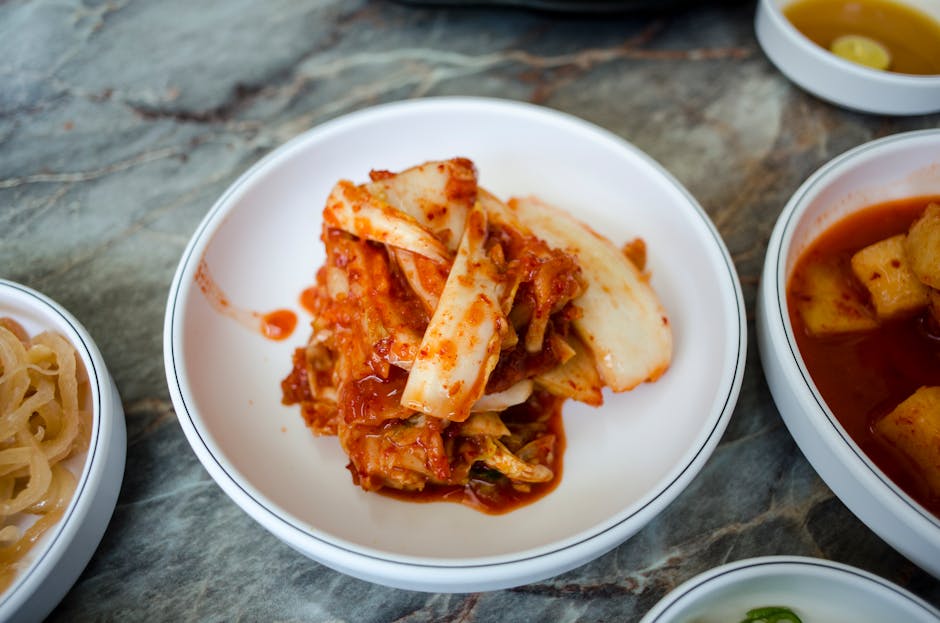
3. Kimchi
Why it’s excellent: This traditional Korean fermented cabbage is packed with Lactobacillus plus anti-inflammatory compounds from chili pepper, garlic, and ginger. Studies show kimchi consumption improves cholesterol, reduces inflammation, and enhances gut microbial diversity.
- How to use: Add to rice bowls, scrambled eggs, soups, or eat as a side dish.
- Best for: Women who find plain sauerkraut boring — kimchi has a complex, spicy, umami flavor.
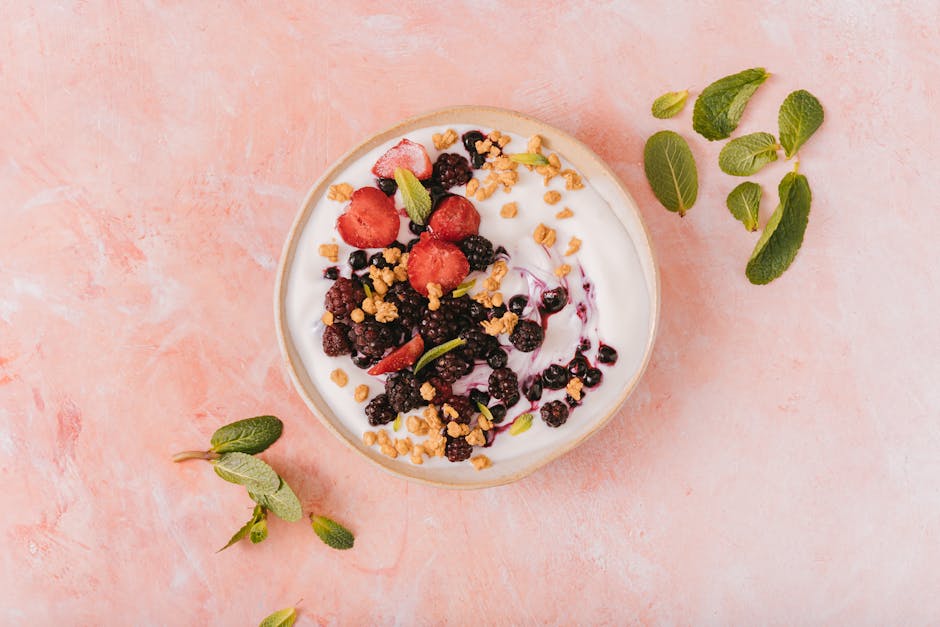
4. Greek Yogurt (Plain, Unsweetened)
Why it’s excellent: Live-culture Greek yogurt provides Lactobacillus and Streptococcus thermophilus plus 15–20g of protein per serving. The combination of probiotics and protein makes it a nutritional powerhouse.
- How to use: Breakfast with berries and nuts, smoothie base, salad dressing substitute, or evening snack.
- Choose wisely: Always buy plain, unsweetened yogurt. Flavored yogurts contain 15–25g of added sugar, which feeds harmful gut bacteria and negates the probiotic benefit.
5. Miso
Why it’s excellent: This fermented soybean paste is rich in beneficial bacteria plus B vitamins, vitamin E, and minerals. Research links regular miso consumption to reduced risk of breast cancer and improved digestive health.
- How to use: Miso soup, salad dressings, marinades, and seasoning for roasted vegetables. Dissolve in warm (not boiling) water to preserve live bacteria.
6. Kombucha
Why it’s good: Fermented tea containing probiotics, organic acids, and antioxidants. It’s a tasty, low-calorie alternative to sodas and sugary drinks.
- Caution: Choose brands with under 5g of sugar per serving. Some commercial kombuchas contain as much sugar as soda. Also limit to 8–12 oz per day initially to avoid digestive discomfort.
Top Prebiotic Foods for Women
Prebiotics are arguably more important than probiotics for long-term gut health. They’re the food that keeps your beneficial bacteria alive and thriving.
7. Garlic
Prebiotic compound: Inulin and fructo-oligosaccharides (FOS)
Garlic is one of the most potent prebiotic foods. It selectively promotes the growth of Bifidobacterium (a key beneficial strain) while inhibiting harmful bacteria. Raw garlic is more prebiotic than cooked, but cooked garlic still provides significant benefits.
- How to use: Add generously to cooking. For maximum prebiotic effect, crush garlic and let it sit for 10 minutes before cooking (this activates allicin, its most beneficial compound).
8. Onions
Prebiotic compound: Inulin and FOS
Onions (all varieties) are rich prebiotic sources. They also contain quercetin, a powerful anti-inflammatory antioxidant. Raw onions provide the most prebiotic fiber, but cooked onions are still excellent.
9. Asparagus
Prebiotic compound: Inulin
Among the richest vegetable sources of prebiotic inulin. Also provides folate (essential for women of childbearing age), vitamins A, C, and K, and anti-inflammatory compounds.
- How to use: Roasted with olive oil, grilled, added to frittatas, or blended into soup.
10. Bananas (Slightly Green)
Prebiotic compound: Resistant starch
Slightly underripe (green-tipped) bananas contain resistant starch — a type of fiber that passes through the small intestine undigested and feeds bacteria in the colon. As bananas ripen, the resistant starch converts to sugar, so greener is better for gut health.
11. Oats
Prebiotic compound: Beta-glucan
Oats are a daily gut health staple. Beta-glucan selectively feeds Bifidobacterium and Lactobacillus species while also lowering cholesterol and stabilizing blood sugar. Steel-cut or rolled oats are best; instant oats are more processed and have less fiber.
12. Flaxseeds
Prebiotic compound: Mucilage (soluble fiber) and lignans
Flaxseeds are uniquely important for women. They provide prebiotic fiber that feeds beneficial bacteria plus lignans that interact with the estrobolome to support healthy estrogen metabolism. Ground flaxseed is better absorbed than whole seeds.
- How to use: 2 tablespoons ground flaxseed daily in smoothies, oatmeal, yogurt, or baked goods.
13. Legumes (Lentils, Chickpeas, Black Beans)
Prebiotic compound: Resistant starch and galacto-oligosaccharides
Legumes are the single best food group for gut microbial diversity. Populations that eat the most legumes consistently have the healthiest gut microbiomes. They provide protein, iron, folate, and an impressive array of fiber types.
- Tip: If beans cause gas, start with small portions (1/4 cup) and increase gradually. Your gut bacteria will adapt over 2–3 weeks and gas will decrease significantly.
Top Anti-Inflammatory and Gut-Healing Foods
14. Bone Broth
Rich in collagen, glutamine, glycine, and gelatin — all critical amino acids for repairing the intestinal lining. Homemade bone broth (simmered 12–24 hours) provides the most nutrients. Drink 1–2 cups daily, especially if you suspect gut lining damage.
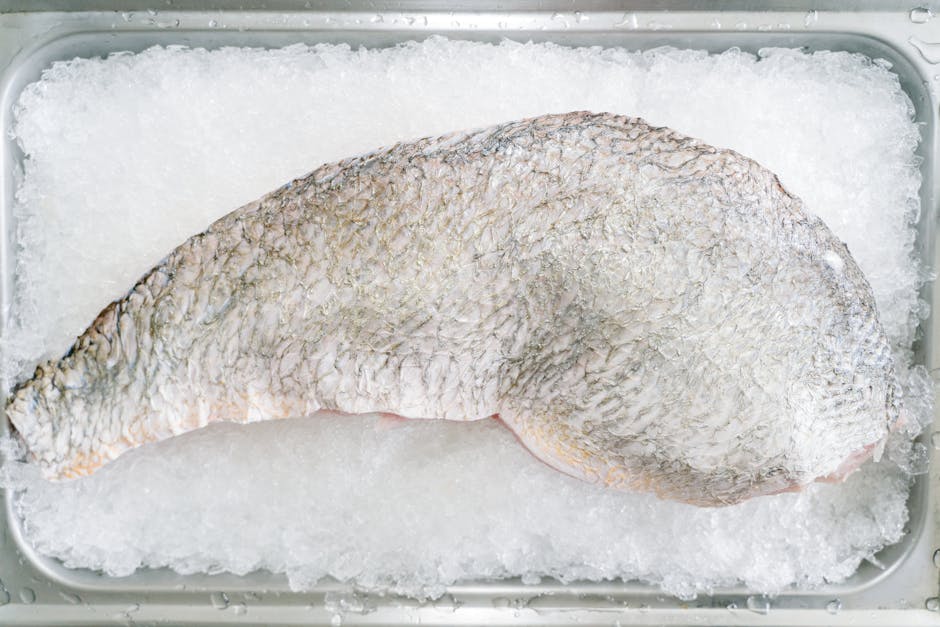
15. Wild-Caught Salmon
One of the best sources of EPA and DHA omega-3 fatty acids, which directly reduce intestinal inflammation, support gut barrier integrity, and promote beneficial bacterial growth. Aim for 2–3 servings per week of fatty fish.
16. Turmeric
Contains curcumin, one of the most extensively studied anti-inflammatory compounds. Research shows turmeric reduces intestinal inflammation, supports gut barrier function, and positively modifies gut bacteria composition.
- How to use: Add to curries, soups, scrambled eggs, smoothies, or make golden milk (turmeric + warm milk + black pepper + honey). Always pair with black pepper — piperine in pepper increases curcumin absorption by 2,000%.
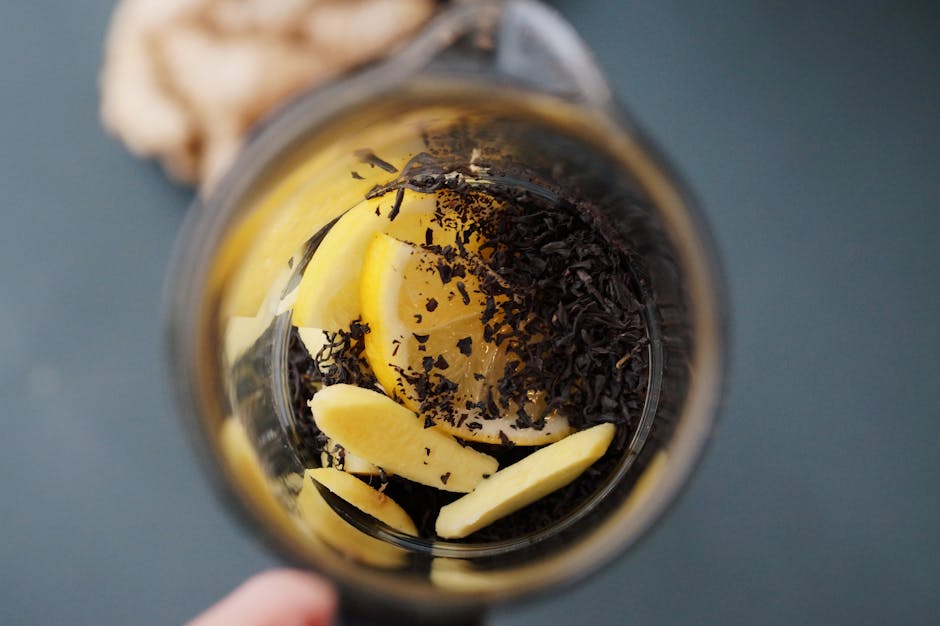
17. Ginger
Supports digestive motility (helps food move through the digestive tract), reduces nausea, and has anti-inflammatory and anti-microbial properties. Fresh ginger is more potent than dried.
- How to use: Grate into stir-fries, soups, smoothies, or steep as fresh ginger tea.
18. Blueberries
Rich in polyphenols (plant antioxidants) that act as prebiotics and also reduce gut inflammation. Research shows that blueberry consumption increases Bifidobacterium populations and improves gut barrier function. They’re also one of the best foods for brain health.
19. Extra Virgin Olive Oil
Contains polyphenols that preferentially feed Lactobacillus and Bifidobacterium while inhibiting harmful bacteria. The oleic acid in olive oil also has anti-inflammatory properties that support gut lining health.
- How to use: Use as your primary cooking oil and drizzle generously on salads, vegetables, and grains.
20. Leafy Greens (Spinach, Kale, Swiss Chard)
Leafy greens contain a unique sugar called sulfoquinovose (SQ) that selectively feeds a specific group of protective gut bacteria. They’re also rich in fiber, folate, magnesium, and vitamins A, C, and K.
A Day of Gut-Healing Meals
Breakfast: Gut-Healing Smoothie Bowl
- 1 cup kefir
- 1/2 cup frozen blueberries
- 1 slightly green banana
- 2 tbsp ground flaxseed
- 1 scoop collagen peptides
- 1/2 tsp fresh grated ginger
- Topped with: granola, walnuts, and a drizzle of raw honey
Lunch: Mediterranean Gut Bowl
- 1 cup cooked lentils
- Roasted asparagus (5–6 spears)
- Sautéed garlic and onions
- Handful of leafy greens (arugula or spinach)
- 2 tbsp sauerkraut
- Drizzle of extra virgin olive oil + lemon juice
- Optional: grilled chicken for extra protein
Afternoon Snack
- Plain Greek yogurt with a handful of berries and 1 tbsp chia seeds
Dinner: Salmon with Turmeric Vegetables
- Wild-caught salmon fillet (baked with olive oil, lemon, and garlic)
- Roasted broccoli and cauliflower with turmeric and black pepper
- 1/2 cup quinoa
- Side of kimchi
Evening: Gut-Healing Tea
- Cup of ginger-turmeric tea with a splash of honey
- Or chamomile tea for its anti-inflammatory and gut-soothing properties
The 30-Plant Challenge: The Most Powerful Gut Strategy

Research from the American Gut Project (the largest microbiome study ever conducted) found one clear, consistent factor in gut health: people who eat 30+ different plant foods per week have the most diverse, healthiest gut microbiomes — regardless of whether they were vegetarian, vegan, or omnivore.
How to Count
“Plant foods” includes: vegetables, fruits, whole grains, legumes, nuts, seeds, herbs, and spices. Each unique plant counts as one. A sprinkle of cumin counts. A different variety of apple counts separately from a regular apple.
How to Reach 30 Per Week
- Morning smoothie: banana, blueberries, spinach, flaxseed, ginger = 5 plants
- Lunch salad: mixed greens, tomato, cucumber, chickpeas, onion, sunflower seeds = 6 plants
- Dinner stir-fry: broccoli, bell pepper, garlic, brown rice, sesame seeds, turmeric = 6 plants
- That’s 17 in one day. Repeat with different varieties over the week and you’ll easily exceed 30.
Foods That Damage Gut Health

Just as important as what you eat is what you avoid:
| Food/Ingredient | How It Harms the Gut |
|---|---|
| Refined sugar | Feeds harmful bacteria and Candida yeast; promotes dysbiosis |
| Artificial sweeteners | Alter gut bacteria composition; linked to glucose intolerance |
| Processed seed oils | Promote inflammation; damage gut lining |
| Emulsifiers (in processed foods) | Carrageenan, polysorbate 80, and CMC erode the mucus layer of the gut lining |
| Excess alcohol | Damages gut lining; promotes bacterial overgrowth; increases permeability |
| Gluten (for sensitive individuals) | Triggers zonulin release, which opens tight junctions in the intestinal lining |
| Excessive red meat | Promotes TMAO production (linked to heart disease) and certain inflammatory bacteria |
Frequently Asked Questions

How quickly can dietary changes improve gut health?
Your gut microbiome begins shifting within 24–48 hours of dietary changes. Noticeable improvements in bloating, bowel regularity, and energy typically appear within 2–4 weeks. Full microbiome optimization takes 3–6 months of consistent eating.
Do I need to eat fermented foods every day?
For best results, yes. Research suggests daily consumption of fermented foods provides the most consistent microbiome benefits. A Stanford study found that a diet high in fermented foods (6+ servings/day) significantly increased microbial diversity. Even 1–2 daily servings make a meaningful difference.
Can I get enough probiotics from food, or do I need supplements?
Fermented foods provide diverse bacterial strains plus the nutrients that support them — making them superior to supplements in many ways. However, if you’re recovering from antibiotics, have a diagnosed gut condition, or don’t eat fermented foods consistently, a quality probiotic supplement can bridge the gap.
Why do certain gut-healthy foods cause bloating?
When you introduce new fiber sources or fermented foods, your gut bacteria produce more gas as they process these foods. This is normal and temporary. Start with small portions and increase gradually over 2–3 weeks. Your microbiome will adapt and bloating will subside as your gut bacteria diversify.
What’s more important: probiotics or prebiotics?
Both are essential, but if you had to choose, prebiotics (fiber-rich plant foods) have a greater long-term impact. Probiotic bacteria need fuel to survive. Without prebiotic fiber, even the best probiotics will struggle to colonize your gut. Think of prebiotics as the fertilizer and probiotics as the seeds — you need both, but fertilizer (fiber) nourishes the garden indefinitely.
Are there specific gut foods for menopause?
Yes. During menopause, focus on foods that support the estrobolome: ground flaxseed (lignans), cruciferous vegetables (DIM/I3C for estrogen metabolism), fermented foods (Lactobacillus for estrogen processing), and high-fiber foods (bind and eliminate excess estrogen). These foods directly support hormonal balance during the menopause transition.
Your Gut Health Food Action Plan
- Today: Buy one fermented food (sauerkraut, kefir, or kimchi) and commit to having a serving with one meal daily.
- This week: Add 2 tbsp ground flaxseed to your daily breakfast.
- This week: Cook with garlic and onions at least 4 times (you probably already do — just increase the amount).
- Next week: Start the 30-plant challenge. Track how many different plant foods you eat in 7 days.
- Within 30 days: Aim for daily inclusion of all three categories: a probiotic food, a prebiotic food, and an anti-inflammatory food.
Every bite of food you eat is either building a healthier gut or undermining one. The beautiful thing is that your gut responds quickly to positive changes — often within days. You don’t need a complete dietary overhaul. Start with adding one gut-friendly food per day, and let the cumulative effect transform how you feel.
Disclaimer: This article provides general nutritional education and is not a substitute for personalized medical or dietary advice. If you have diagnosed digestive conditions (IBS, IBD, SIBO, celiac disease), consult a gastroenterologist or registered dietitian before making significant dietary changes.