Best Anti-Aging Skincare Routine for Women Over 40 (Step-by-Step Guide)
Here’s the uncomfortable truth about anti-aging skincare: most of what’s marketed to women over 40 is designed to exploit your insecurity, not address your skin. The $60 billion anti-aging industry thrives on vague promises, proprietary “miracle” complexes, and before-and-after photos that owe more to lighting than to product efficacy.
But here’s the good news: effective anti-aging skincare is simpler, cheaper, and more science-backed than the industry wants you to believe. You don’t need 15 products. You don’t need the most expensive serum on the shelf. You need the right active ingredients, in the right order, used consistently.
This guide gives you a complete, dermatologist-aligned morning and evening skincare routine for women over 40 — no fluff, no gimmicks, just the steps that actually slow and reverse visible signs of aging.
What Happens to Your Skin After 40

Understanding why your skin changes helps you target the right solutions:
| Change | What’s Happening | Visible Effect |
|---|---|---|
| Collagen loss | You lose ~1% of collagen per year after 30; accelerates after menopause | Fine lines, wrinkles, sagging, loss of firmness |
| Slower cell turnover | Skin cell renewal slows from every 28 days to every 45–60 days | Dullness, uneven texture, rough patches |
| Decreased estrogen | Estrogen decline in perimenopause/menopause reduces oil production and hydration | Dryness, thinning skin, increased sensitivity |
| Sun damage accumulation | Decades of UV exposure causes accumulated DNA damage in skin cells | Dark spots, hyperpigmentation, uneven skin tone |
| Reduced elastin | Elastic fibers break down and aren’t replaced efficiently | Loss of elasticity, “crepey” texture |
| Fat pad redistribution | Facial fat pads thin and shift downward | Hollowing under eyes, deepening nasolabial folds |
The Core Principles of Anti-Aging Skincare
Before we get to the routine, understand these principles that govern everything:
- Sunscreen is the #1 anti-aging product. Up to 80% of visible skin aging is caused by UV exposure (photoaging). No serum or cream can compete with consistent SPF protection.
- Retinoids are the gold standard. No other ingredient has as much clinical evidence for reducing wrinkles, improving texture, fading dark spots, and boosting collagen.
- Hydration ≠ moisturizing. Hydration adds water to skin cells (hyaluronic acid, glycerin). Moisturizing locks that water in (ceramides, oils). You need both after 40.
- Consistency beats intensity. Using the right products daily for 6 months will always outperform aggressive treatments used sporadically.
- Less is more. Overloading your skin with too many actives causes irritation, compromises your skin barrier, and can actually accelerate aging.
Your Morning Anti-Aging Routine (5 Steps)
Step 1: Gentle Cleanser
What to use: A hydrating, non-foaming cleanser. Avoid anything that leaves your skin feeling “squeaky clean” — that sensation means your moisture barrier has been stripped.
Key ingredients to look for: Ceramides, glycerin, hyaluronic acid. Avoid: sulfates (SLS/SLES), alcohol, and harsh fragrances.
Why it matters after 40: Your skin produces less oil. Over-cleansing accelerates moisture loss and increases sensitivity. A gentle cleanser removes overnight buildup without damaging the barrier.
Product examples: CeraVe Hydrating Facial Cleanser, La Roche-Posay Toleriane Hydrating Cleanser, Vanicream Gentle Facial Cleanser.
Step 2: Vitamin C Serum
What to use: A serum containing 10–20% L-ascorbic acid (the most studied and effective form of vitamin C).
Why it’s essential:
- Neutralizes free radicals from UV and pollution
- Brightens skin and fades dark spots
- Stimulates collagen production
- Enhances sunscreen protection when used underneath SPF
How to apply: 3–5 drops on clean, dry skin. Pat gently onto face and neck. Allow 1–2 minutes to absorb before next step.
Product examples: SkinCeuticals C E Ferulic (gold standard), Timeless Vitamin C+E+Ferulic Acid Serum (budget-friendly), Paula’s Choice C15 Super Booster.
Step 3: Hydrating Serum or Hyaluronic Acid
What to use: A serum containing hyaluronic acid (HA), which can hold up to 1,000 times its weight in water.
Why it matters after 40: Natural HA in your skin decreases with age. Topical HA plumps the skin, reduces the appearance of fine lines, and creates a hydrated base that helps other products absorb better.
How to apply: Apply to slightly damp skin (this is key — HA needs water to bind to). 2–3 drops, pressed into face and neck.
Product examples: The Ordinary Hyaluronic Acid 2% + B5, Vichy Minéral 89, Neutrogena Hydro Boost Serum.
Step 4: Moisturizer with Barrier-Supporting Ingredients
What to use: A moisturizer containing ceramides, peptides, niacinamide, or squalane — ingredients that support the skin barrier and lock in hydration.
Why it matters after 40: Your skin barrier weakens with age and hormonal changes. A compromised barrier leads to increased sensitivity, irritation, redness, and accelerated moisture loss (TEWL — transepidermal water loss).
Product examples: CeraVe Moisturizing Cream, First Aid Beauty Ultra Repair Cream, Drunk Elephant Protini Polypeptide Cream.
Step 5: Broad-Spectrum Sunscreen SPF 30–50
What to use: A broad-spectrum sunscreen with at least SPF 30 (SPF 50 is even better). Choose between mineral (zinc oxide, titanium dioxide) or chemical filters based on your skin type.
Why it’s the most important step:
- Prevents further photoaging (wrinkles, dark spots, sagging)
- Protects the collagen you’re trying to build with retinol and vitamin C
- Reduces skin cancer risk
- A 2013 study in Annals of Internal Medicine found that daily sunscreen use slowed skin aging by 24%
How to apply: 1/4 teaspoon for the face (about two finger-lengths). Apply as the last step of skincare, before makeup. Reapply every 2 hours if outdoors.
Product examples: EltaMD UV Clear SPF 46, La Roche-Posay Anthelios Melt-In Milk SPF 60, Supergoop Unseen Sunscreen SPF 40.
Your Evening Anti-Aging Routine (5 Steps)
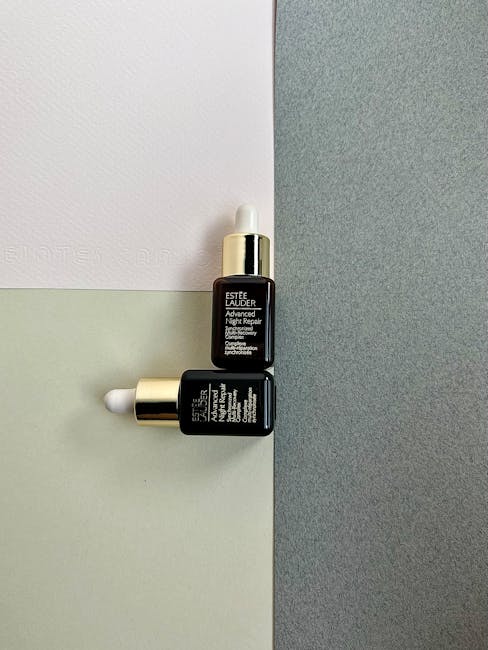
Step 1: Double Cleanse
First cleanse: Oil-based cleanser or micellar water to dissolve sunscreen, makeup, and pollution. Massage onto dry skin, then rinse.
Second cleanse: Same gentle hydrating cleanser from morning to remove remaining residue.
Why double cleansing matters: Sunscreen (especially mineral) and makeup don’t fully dissolve with water-based cleansers alone. Residue left on your skin blocks your evening actives from penetrating effectively.
Step 2: Retinoid (The Star of Your Routine)
What to use: A retinoid product. Options ranked by potency:
| Retinoid Type | Potency | Best For | Prescription? |
|---|---|---|---|
| Tretinoin (Retin-A) | Highest | Established wrinkles, significant sun damage | Yes |
| Adapalene (Differin) | Moderate-High | Acne-prone aging skin | No (0.1%) |
| Retinaldehyde | Moderate | Good balance of efficacy and tolerance | No |
| Retinol | Moderate | Most popular OTC option | No |
| Retinyl palmitate/retinyl propionate | Low | Very sensitive skin (minimal results) | No |
How to start: If you’re new to retinoids, begin with a low-concentration retinol (0.25–0.3%) 2–3 nights per week. Over 4–8 weeks, gradually increase to nightly use, then increase concentration. This “retinization” period minimizes peeling and irritation.
Application: Pea-sized amount on dry skin. Wait 20 minutes after cleansing for sensitive skin (dry skin = less irritation from retinoids).
Product examples: Paula’s Choice 1% Retinol Treatment, CeraVe Resurfacing Retinol Serum, La Roche-Posay Retinol B3 Serum, or prescription tretinoin from your dermatologist.
Step 3: Peptide Serum (Optional but Powerful)
What to use: A serum containing copper peptides, Matrixyl (palmitoyl pentapeptide-4), or argireline.
Why add peptides: Peptides are short chains of amino acids that signal your skin to produce more collagen and elastin. They complement retinoids without irritation and are particularly effective for neck and eye area.
Product examples: The Ordinary Buffet, Drunk Elephant Protini Polypeptide Cream, NIOD Copper Amino Isolate Serum.
Step 4: Nourishing Night Moisturizer
What to use: A richer, more emollient moisturizer than your daytime product. Look for ceramides, squalane, shea butter, niacinamide, and fatty acids.
Why go richer at night: Your skin’s repair processes peak during sleep. A more occlusive moisturizer supports barrier repair, prevents water loss, and creates an ideal environment for retinoid and peptide absorption.
Product examples: CeraVe PM Facial Moisturizing Lotion, La Roche-Posay Cicaplast Baume B5, Charlotte Tilbury Magic Night Cream.
Step 5: Eye Cream
What to use: A dedicated eye cream with peptides, caffeine, vitamin K, or retinol (lower concentration than your face retinoid — 0.025–0.1%).
Why a separate eye product: The skin around your eyes is 10x thinner than the rest of your face, produces less oil, and shows aging signs first. It needs gentler, more targeted treatment.
Product examples: CeraVe Eye Repair Cream, Olay Eyes Retinol24 Night Eye Cream, RoC Retinol Correxion Eye Cream.
Weekly Booster Treatments
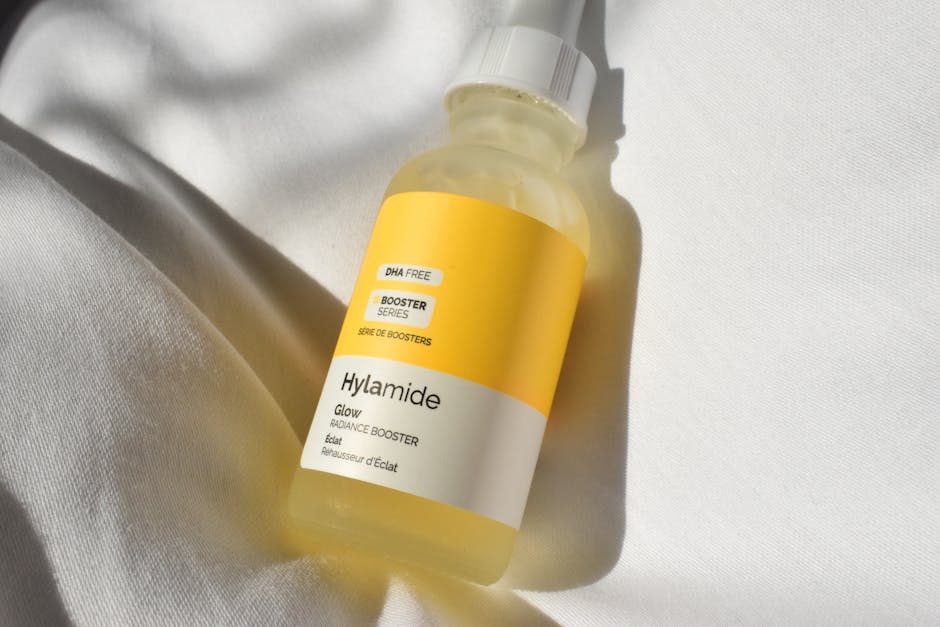
Chemical Exfoliation (1–2x per Week)
Use an AHA (glycolic acid, lactic acid) or BHA (salicylic acid) exfoliant to speed up cell turnover and improve texture. AHAs are generally better for aging skin; BHAs are better for acne-prone or oily areas.
- Important: Don’t use chemical exfoliants on the same night as retinoids. Alternate nights to avoid over-exfoliation.
- Product examples: Paula’s Choice 8% AHA Gel Exfoliant, The Ordinary AHA 30% + BHA 2% Peeling Solution (use once weekly max).
Hydrating Mask (1x per Week)
A deeply hydrating mask replenishes moisture reserves, especially critical during menopause when skin becomes increasingly dry.
- Product examples: Laneige Water Sleeping Mask, Summer Fridays Jet Lag Mask, First Aid Beauty Ultra Repair Instant Oatmeal Mask.
The Routine Summary

| Step | Morning | Evening |
|---|---|---|
| 1 | Gentle cleanser | Oil cleanser → Gentle cleanser (double cleanse) |
| 2 | Vitamin C serum | Retinoid |
| 3 | Hyaluronic acid serum | Peptide serum (optional) |
| 4 | Moisturizer | Rich night moisturizer |
| 5 | SPF 30–50 | Eye cream |
Common Mistakes That Accelerate Aging

- Skipping sunscreen: Even on cloudy days, 80% of UV rays penetrate clouds. Even indoors, UVA rays pass through windows.
- Over-exfoliating: More is not better. Over-exfoliation strips the skin barrier, causes inflammation, and paradoxically accelerates aging.
- Using too many actives simultaneously: Vitamin C + AHA + retinol + niacinamide in one routine overwhelms the skin. Simplify: vitamin C in the morning, retinoid at night.
- Neglecting the neck and chest: Your neck ages faster than your face. Extend every product (cleanser, serum, moisturizer, SPF) to your neck and upper chest.
- Expecting overnight results: Retinoids take 8–12 weeks for visible results. Collagen rebuilding takes 3–6 months. Commit to at least 3 months before evaluating.
- Sleeping on your face: Side sleeping causes compression wrinkles. Train yourself to sleep on your back or invest in a silk/satin pillowcase that reduces friction.
Lifestyle Factors That Affect Skin Aging
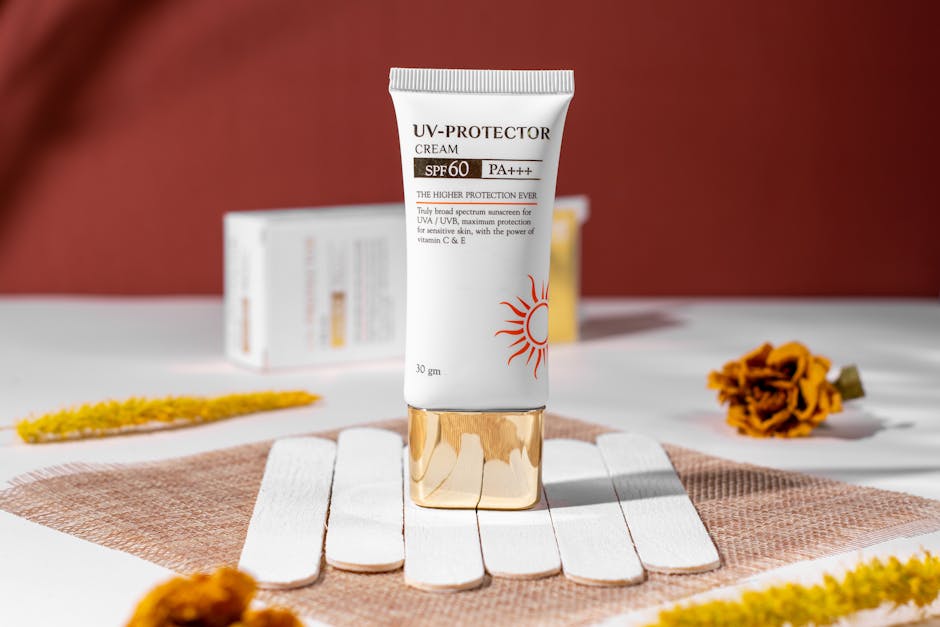
- Diet: Antioxidant-rich foods (berries, leafy greens, omega-3 fatty acids) support skin from the inside. Sugar accelerates glycation (collagen stiffening).
- Sleep: Growth hormone — essential for skin repair — is released primarily during deep sleep. 7–9 hours is non-negotiable for skin health.
- Hydration: Drink 64–80 oz of water daily. Dehydration shows on your skin before anywhere else.
- Stress: Cortisol breaks down collagen and elastin. Chronic stress visibly ages the skin.
- Smoking and alcohol: Smoking restricts blood flow and destroys collagen. Alcohol dehydrates skin and increases inflammation. Both are major accelerators of visible aging.
Frequently Asked Questions

How long until I see results from an anti-aging routine?
You’ll notice improved hydration and radiance within 1–2 weeks. Texture improvement and fine line reduction typically appear at 6–8 weeks. Significant collagen improvement and wrinkle reduction take 3–6 months of consistent use, particularly with retinoids.
Can I use retinol and vitamin C in the same routine?
Yes, but ideally in different steps: vitamin C in the morning (where it enhances UV protection) and retinol at night (where it works undisturbed during skin repair). Using them together isn’t dangerous, but separating them maximizes each ingredient’s effectiveness and minimizes irritation.
Is expensive skincare better than drugstore skincare?
Not necessarily. What matters is the active ingredients and their concentrations, not the brand name. Many dermatologist-recommended products (CeraVe, La Roche-Posay, The Ordinary, Neutrogena) are affordable. Pay for proven actives, not luxury packaging.
Should I see a dermatologist for my anti-aging routine?
A dermatologist visit is worthwhile for: prescription tretinoin (the most effective retinoid), professional treatments (chemical peels, microneedling, laser), skin cancer screening, and personalized advice. An annual skin check is recommended for all women over 40.
What about in-office treatments?
Professional treatments complement a home routine but don’t replace it. The most effective and evidence-backed in-office anti-aging treatments include: microneedling (collagen induction), chemical peels (resurfacing), laser treatments (photorejuvenation), and Botox/fillers (targeted wrinkle and volume treatment). Discuss with a board-certified dermatologist.
Start Here: Your First 30 Days

- Week 1: Implement the morning routine (cleanser, vitamin C, moisturizer, SPF). This alone will make a noticeable difference.
- Week 2: Add the evening double cleanse and a hydrating night moisturizer.
- Week 3: Introduce retinol 2 nights per week (pea-sized amount, dry skin).
- Week 4: Add hyaluronic acid to the morning and peptide serum to the evening. Increase retinol to 3 nights per week.
The best anti-aging routine is the one you actually do consistently. Start simple, build gradually, protect what you have with SPF, and let the proven actives do their work. Your skin will thank you — not tomorrow, but over months and years of cumulative, visible improvement.
Disclaimer: This article provides general skincare education. For personalized skincare advice, prescription products, or medical skin conditions, consult a board-certified dermatologist.