Mental Wellness for Women: How to Reduce Stress and Anxiety Naturally
Women are twice as likely as men to be diagnosed with anxiety disorders, and rates of depression are 50% higher in women than in men. These aren’t just statistics — they reflect the lived reality of millions of women who carry invisible weight every day: the mental load of managing households, careers, relationships, children, aging parents, and societal expectations — often simultaneously.
But here’s what often gets lost in that conversation: stress and anxiety are not character flaws, and they’re not unchangeable. They are physiological responses to biological, environmental, and psychological triggers — and every one of those triggers has an evidence-based countermeasure.
This guide moves beyond vague advice like “just relax” and gives you specific, actionable, science-backed strategies to genuinely reduce stress and anxiety in your daily life.
Understanding Stress and Anxiety in Women
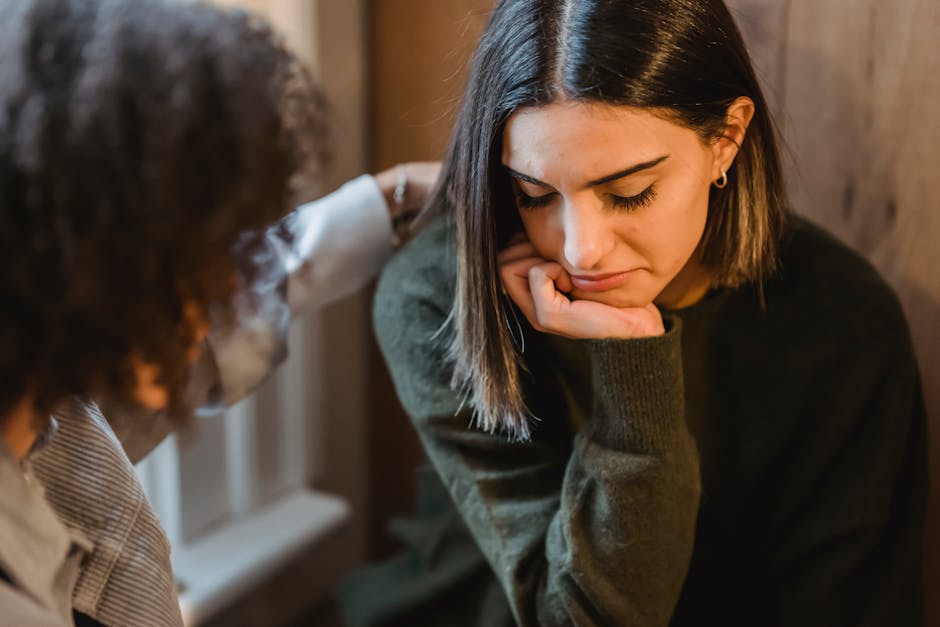
Why Women Experience More Anxiety Than Men
The gender gap in anxiety isn’t just cultural — it’s biological:
- Hormonal fluctuations: Estrogen and progesterone directly influence serotonin, GABA, and cortisol — the neurotransmitters and hormones that regulate mood and anxiety. Monthly cycles, pregnancy, postpartum, and menopause all create vulnerability windows.
- The “tend and befriend” stress response: Women are more likely to respond to stress with rumination (replaying events), worry, and hypervigilance rather than the “fight or flight” response more common in men.
- The mental load: Women carry disproportionate responsibility for household management, childcare logistics, emotional labor, and social scheduling — tasks that are cognitively demanding and largely invisible.
- Societal pressure: Women face expectations to excel at work, maintain a home, raise children, stay fit, look youthful, and be emotionally available — simultaneously. The gap between expectation and capacity creates chronic stress.
The Difference Between Stress and Anxiety
| Characteristic | Stress | Anxiety |
|---|---|---|
| Trigger | Specific, identifiable (work deadline, argument, financial problem) | Often no clear trigger; generalized feeling of dread |
| Duration | Usually resolves when the stressor ends | Can persist even when circumstances improve |
| Physical symptoms | Tension, headaches, fatigue | Rapid heartbeat, breathing difficulties, dizziness, nausea |
| Cognitive symptoms | Overwhelm, difficulty focusing | Catastrophic thinking, “what if” spirals, inability to stop worrying |
| When to seek help | When it’s persistent and affects daily functioning | When it’s persistent, disproportionate, and/or causes avoidance behavior |
Strategy 1: Breathwork — The Fastest Anxiety Reset

Your breath is the only autonomic function you can consciously control. This makes it a direct gateway to your nervous system. Specific breathing patterns can shift you from sympathetic (fight-or-flight) to parasympathetic (rest-and-digest) activation within minutes.
Technique 1: Physiological Sigh (Fastest Calming Method)
Discovered by Stanford neuroscientist Andrew Huberman, this is the fastest evidence-based method for real-time stress reduction:
- Take a deep nasal inhale.
- Immediately take a second, shorter nasal inhale on top of the first (a “double inhale” to fully inflate the lungs).
- Long, slow exhale through the mouth.
- Repeat 1–3 times.
This pattern rapidly increases CO2 offloading and activates the parasympathetic nervous system. Use it anytime you feel acute stress or anxiety.
Technique 2: 4-7-8 Breathing
- Inhale through the nose for 4 seconds.
- Hold for 7 seconds.
- Exhale through the mouth for 8 seconds.
- Repeat 4–8 cycles.
Best for: pre-sleep anxiety, generalized anxiety, and calming down after a stressful event.
Technique 3: Box Breathing
- Inhale for 4 seconds.
- Hold for 4 seconds.
- Exhale for 4 seconds.
- Hold for 4 seconds.
- Repeat 4–8 cycles.
Used by Navy SEALs and first responders for calming in high-stress environments.
Strategy 2: Movement as Medicine
Exercise is one of the most potent anti-anxiety interventions available — often comparable to medication for mild to moderate anxiety and depression.
How Exercise Reduces Anxiety
- Releases endorphins and endocannabinoids (natural mood elevators)
- Lowers cortisol levels
- Increases BDNF (brain-derived neurotrophic factor), which supports new neural connections
- Improves sleep quality
- Provides a sense of accomplishment and self-efficacy
Best Exercise Types for Mental Health
| Exercise | Mental Health Benefit | Recommended Dose |
|---|---|---|
| Walking (especially in nature) | Reduces cortisol, clears rumination, accessible for everyone | 20–40 min daily |
| Yoga | Combines movement + breathwork + mindfulness; reduces cortisol; improves GABA | 2–3x per week |
| Strength training | Improves self-confidence, reduces anxiety sensitivity, improves sleep | 2–3x per week |
| Dancing | Combines movement, music, and social connection; boosts mood and reduces stress | Any frequency |
| Swimming | Meditative, low-impact, reduces muscle tension | 2–3x per week |
The key finding: A 2023 meta-analysis in the British Journal of Sports Medicine found that exercise was 1.5x more effective than counseling or medication for reducing symptoms of depression and anxiety. The optimal dose was 30–60 minutes, 3–5 times per week.
Strategy 3: Nutrition for a Calm Brain
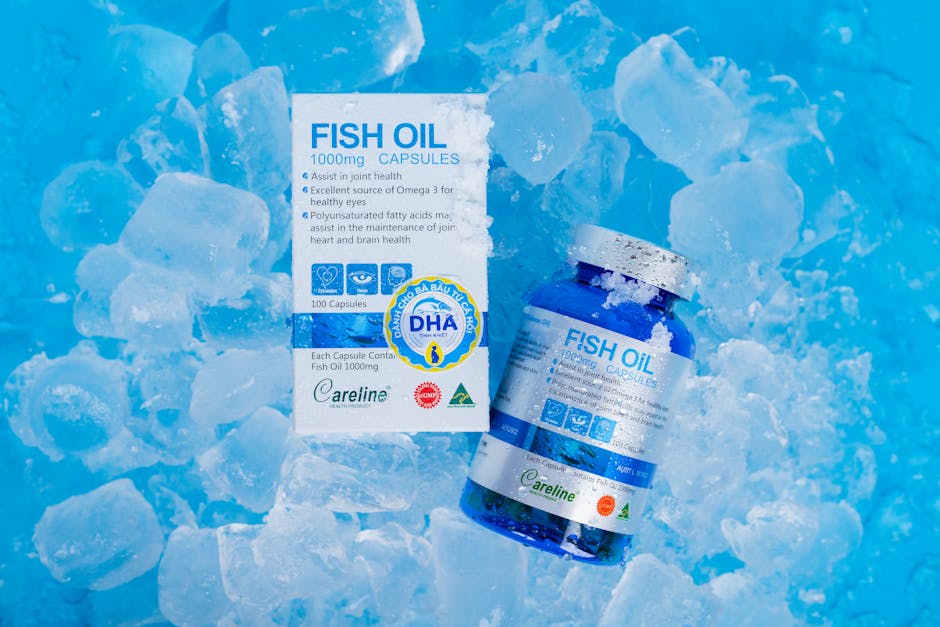
Your gut produces over 90% of your serotonin. What you eat directly shapes your neurochemistry and either supports or undermines your mental health.
Anxiety-Reducing Foods
- Fatty fish (salmon, sardines, mackerel): Omega-3 fatty acids reduce neuroinflammation and have been shown in meta-analyses to reduce anxiety symptoms.
- Fermented foods (yogurt, kefir, sauerkraut, kimchi): Support the gut-brain axis by nourishing beneficial bacteria. A 2022 study found that consuming fermented foods for 4 weeks significantly reduced perceived stress.
- Dark leafy greens (spinach, kale, Swiss chard): Rich in magnesium (the “relaxation mineral”) and folate (supports serotonin production).
- Blueberries: Rich in antioxidants that reduce oxidative stress in the brain.
- Dark chocolate (70%+): Contains flavonoids that improve blood flow to the brain and support mood. Also contains magnesium and tryptophan.
- Chamomile tea: Contains apigenin, which binds to GABA receptors and has mild anxiolytic effects. Multiple studies support its use for Generalized Anxiety Disorder.
- Turkey and eggs: High in tryptophan, the amino acid precursor to serotonin.
Foods That Worsen Anxiety
- Excess caffeine: More than 200mg/day (2 cups of coffee) can trigger or worsen anxiety symptoms by stimulating the sympathetic nervous system. If you’re anxiety-prone, switch to green tea or decaf after your first morning cup.
- Alcohol: Initially calming, but alcohol disrupts GABA function, worsens sleep quality, and creates rebound anxiety the next day (“hangxiety”). Many anxious women self-medicate with wine without realizing it’s making things worse.
- Refined sugar: Blood sugar spikes and crashes mimic anxiety symptoms (shakiness, rapid heartbeat, irritability).
- Artificial sweeteners: Some studies link them to altered gut bacteria and increased anxiety behavior.
- Processed and ultra-processed foods: Associated with higher rates of depression and anxiety in large population studies.
Strategy 4: Mindfulness and Meditation
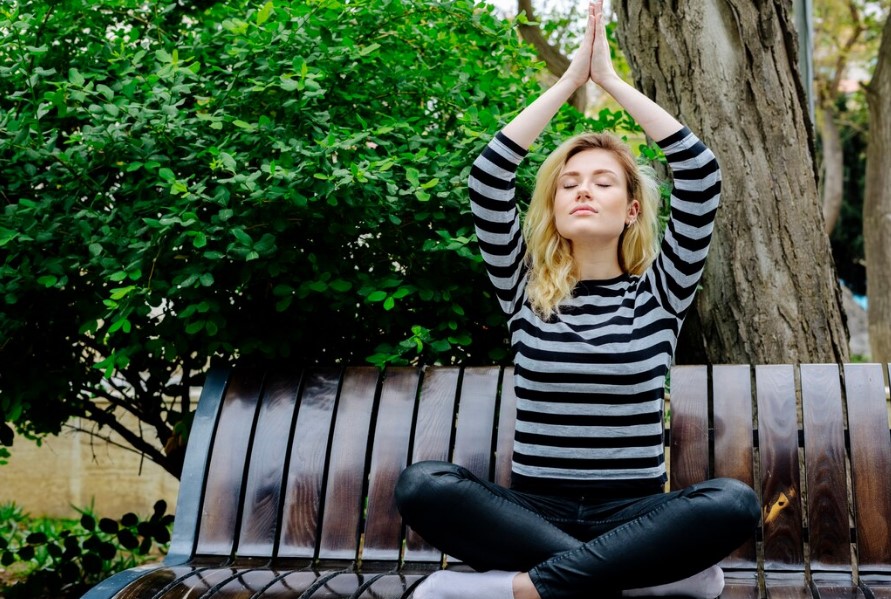
Mindfulness rewires the brain. Literally. Neuroimaging studies show that regular meditation practice reduces activity in the amygdala (your brain’s fear center) and increases connectivity in the prefrontal cortex (your rational, calming center).
Getting Started with Meditation
- Start with 5 minutes. Don’t aim for 30 minutes on day one. Five minutes of consistent daily practice is more effective than occasional longer sessions.
- Use guided meditation apps: Headspace, Calm, and Insight Timer offer free and paid guided meditations specifically for anxiety, sleep, and stress.
- Body scan meditation: Lie down and mentally scan from head to toe, noticing sensations without judgment. Excellent for physical tension and pre-sleep anxiety.
- Walking meditation: Focus on the sensation of each step. This works well for people who find sitting meditation difficult.
Beyond Formal Meditation: Everyday Mindfulness
- Single-tasking: Do one thing at a time. Multitasking elevates cortisol and fragments attention.
- Mindful transitions: Use the 30 seconds between activities to take three deep breaths and reset.
- 5-4-3-2-1 grounding technique: Name 5 things you see, 4 you can touch, 3 you hear, 2 you smell, 1 you taste. This pulls you out of anxious thought loops and into the present moment.
Strategy 5: Sleep as Mental Health Foundation
Sleep deprivation increases anxiety sensitivity by up to 30%, according to UC Berkeley research. One night of poor sleep can trigger the same emotional reactivity as a clinical anxiety disorder in otherwise healthy individuals.
Sleep Habits for Mental Wellness
- Non-negotiable 7–8.5 hours in bed.
- Consistent schedule (same bedtime within 30 min, even on weekends).
- Wind-down routine: 60 minutes before bed with no screens, dim lights, calming activities (reading, stretching, journaling, herbal tea).
- Cool, dark, quiet room. Eye mask + earplugs or white noise machine if needed.
- No caffeine after noon.
- No alcohol within 3 hours of bedtime.
- Worry journal: Write down tomorrow’s worries and to-do list before bed. Externalizing them onto paper reduces the brain’s need to “hold” them.
Strategy 6: Social Connection and Boundaries

Connection as Medicine
Loneliness and social isolation are as damaging to health as smoking 15 cigarettes per day, according to research from Brigham Young University. Meaningful social connection reduces cortisol, increases oxytocin, and is consistently associated with lower rates of anxiety and depression.
- Schedule regular connection, even brief (a 10-minute phone call counts).
- Join a group aligned with an interest (book club, exercise class, volunteer work).
- Be vulnerable — genuine connection requires sharing how you actually feel, not performing wellness.
Boundaries as Self-Preservation
Many women’s stress and anxiety stems from overcommitment and inability to say no. Setting boundaries isn’t selfish — it’s a prerequisite for mental health.
- Practice the “pause”: When asked to take on something new, respond with “Let me check my schedule and get back to you.” This prevents reflexive yes-saying.
- Identify your “energy vampires”: People, activities, or obligations that consistently leave you drained. Reduce or eliminate exposure where possible.
- Protect transition time: Don’t schedule back-to-back commitments. Buffer time between activities reduces cortisol.
Strategy 7: Supplements for Anxiety Support
| Supplement | Mechanism | Evidence | Dose |
|---|---|---|---|
| Magnesium glycinate | Supports GABA, reduces cortisol | Strong | 200–400mg |
| Ashwagandha (KSM-66) | Adaptogen; lowers cortisol | Strong | 300–600mg |
| L-theanine | Promotes alpha brain waves (calm alertness) | Moderate | 200–400mg |
| Omega-3 (EPA) | Reduces neuroinflammation | Strong | 1,000–2,000mg EPA |
| Vitamin D3 | Low levels linked to depression and anxiety | Strong | 2,000–5,000 IU |
| B-complex | Supports neurotransmitter production | Moderate | 1 methylated B-complex daily |
| Probiotics | Gut-brain axis support | Growing | Multi-strain, 10–50 billion CFU |
Note: Supplements support but don’t replace foundational practices (sleep, movement, nutrition, connection). Always consult a healthcare provider, especially if you take medications.
Strategy 8: Professional Support

Natural strategies are powerful, but they have limits. Seek professional help if:
- Anxiety or stress is persistent (most days for 6+ months) and not improving with lifestyle changes.
- You’re avoiding activities, places, or people due to anxiety.
- Physical symptoms are severe (panic attacks, chest pain, chronic GI issues).
- You’re using alcohol, food, or other substances to cope.
- You’re having thoughts of self-harm or hopelessness.
Evidence-Based Therapy Options
- Cognitive Behavioral Therapy (CBT): The gold standard for anxiety treatment. Teaches you to identify and restructure anxious thought patterns.
- EMDR (Eye Movement Desensitization and Reprocessing): Effective for trauma-related anxiety and PTSD.
- Acceptance and Commitment Therapy (ACT): Focuses on accepting anxiety rather than fighting it, and committing to valued actions despite it.
- Somatic therapy: Works with body sensations to release stored stress and trauma.
Frequently Asked Questions
Is some anxiety normal?
Yes. Anxiety is a normal human emotion that serves a protective function. It becomes a problem when it’s disproportionate to the situation, persists without a clear trigger, interferes with daily functioning, or leads to avoidance behavior.
Can hormonal changes cause anxiety?
Absolutely. PMS, perimenopause, menopause, pregnancy, and postpartum all involve hormonal shifts that directly affect anxiety-related neurotransmitters (serotonin, GABA). If your anxiety worsens at specific cycle points or life stages, hormonal factors are likely involved.
How long do natural strategies take to reduce anxiety?
Breathwork provides immediate relief (within minutes). Exercise and sleep improvements show effects within 1–2 weeks. Dietary changes, supplements, and meditation typically take 3–6 weeks of consistent practice for noticeable, sustained improvement.
Can you reduce anxiety without medication?
Many women can significantly reduce mild to moderate anxiety through lifestyle interventions alone. However, medication is sometimes necessary and shouldn’t be stigmatized. The ideal approach often combines lifestyle strategies with professional support (therapy and/or medication) for best outcomes.
Your Three Starting Actions

- Practice the physiological sigh 5 times today whenever you notice stress. It takes 10 seconds and works immediately.
- Walk for 20 minutes tomorrow, preferably outside. No phone. Just walk and notice your surroundings.
- Set a consistent bedtime this week and journal your worries for 5 minutes before lights out.
Your mental wellness isn’t a luxury or something that comes after everything else is done. It’s the foundation that everything else depends on. When you feel calmer, you parent better, work better, sleep better, and live better. Invest in yourself — you’re worth it.
Disclaimer: This article provides general health and wellness information and is not a substitute for professional mental health care. If you are experiencing a mental health crisis, contact the 988 Suicide and Crisis Lifeline (call or text 988) or go to your nearest emergency room.