Hormone Imbalance in Women: Signs, Causes, and Proven Solutions

Something feels off. Maybe you can’t explain it to your doctor because it’s not one thing — it’s everything. You’re tired but can’t sleep. You’re eating less but gaining weight. Your mood is a rollercoaster, your skin is acting up, and your periods have become unpredictable. You feel like you’re living in someone else’s body.
If this sounds familiar, you’re likely dealing with a hormonal imbalance — and you’re far from alone. Hormonal disruptions are among the most common yet under-diagnosed health issues in women, affecting everything from metabolism and fertility to mental health and cardiovascular function.
This guide will help you understand exactly what’s happening in your body, what’s causing it, and — most importantly — what you can do about it, with both natural and medical approaches.
What Does “Hormone Imbalance” Actually Mean?

A hormonal imbalance occurs when your body produces too much or too little of one or more hormones. Since hormones act as chemical messengers controlling virtually every bodily function, even a small deviation can cause widespread symptoms.
Think of your hormones as an orchestra. When every instrument plays in tune and at the right volume, the result is harmony. But if the violin section suddenly plays too loudly or the drums go silent, the entire performance suffers — even if most instruments are playing perfectly.
The Most Commonly Imbalanced Hormones in Women
| Imbalance Pattern | What’s Happening | Most Common Symptoms |
|---|---|---|
| Estrogen dominance | Too much estrogen relative to progesterone | Weight gain, heavy periods, PMS, breast tenderness, bloating, fibroids |
| Low progesterone | Insufficient progesterone production | Anxiety, insomnia, irregular periods, spotting, infertility |
| High cortisol | Chronic stress keeping cortisol elevated | Belly fat, fatigue, sugar cravings, brain fog, weakened immunity |
| Low thyroid (hypothyroidism) | Thyroid gland underproducing T3/T4 | Fatigue, weight gain, cold intolerance, hair loss, depression |
| Insulin resistance | Cells becoming resistant to insulin | Weight gain (especially midsection), sugar cravings, skin tags, PCOS |
| High testosterone / DHEA | Excess androgens (often linked to PCOS) | Acne, facial hair, irregular periods, hair thinning on head |
| Low estrogen | Estrogen dropping (perimenopause/menopause) | Hot flashes, vaginal dryness, bone loss, brain fog, mood changes |
Comprehensive Signs and Symptoms Checklist
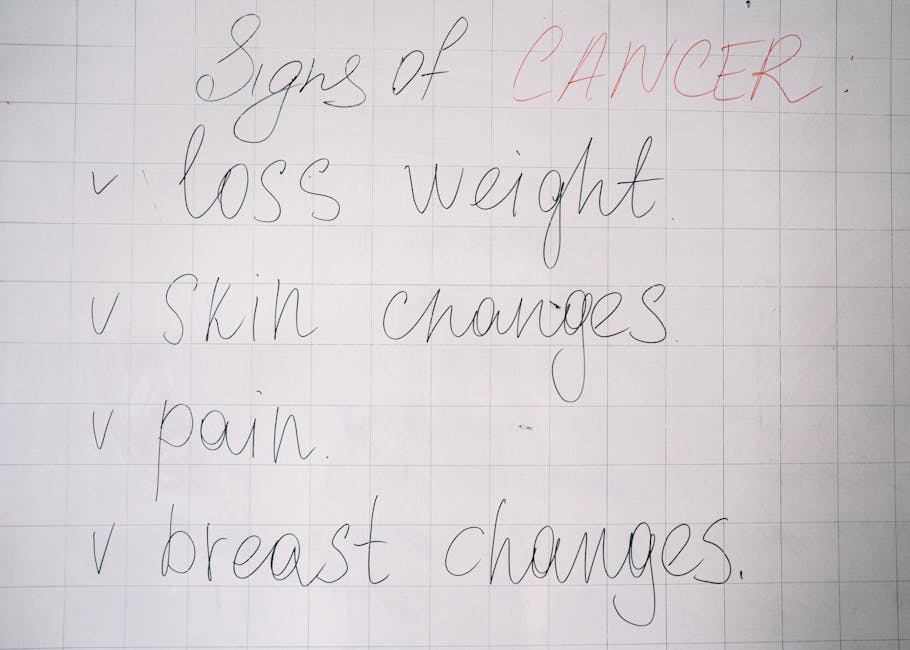
Hormonal imbalance manifests differently for every woman, but patterns emerge. Use this checklist to identify which hormones may be involved:
Reproductive and Menstrual Symptoms
- Irregular periods (shorter than 21 days or longer than 35 days)
- Heavy or prolonged bleeding
- Painful periods (severe cramps)
- Missed periods (outside of pregnancy)
- Spotting between periods
- PMS symptoms that are severe or debilitating
- Difficulty getting pregnant
- Recurrent miscarriages
- Low libido or vaginal dryness
Metabolic Symptoms
- Unexplained weight gain (especially around the belly)
- Inability to lose weight despite diet and exercise
- Intense sugar or carb cravings
- Blood sugar crashes (shaky, irritable, desperate to eat)
- High cholesterol despite a healthy diet
Energy and Sleep Symptoms
- Chronic fatigue not resolved by rest
- Energy crashes in the afternoon
- Difficulty falling asleep
- Waking at 2–4 AM and unable to fall back asleep
- Night sweats or hot flashes
Skin, Hair, and Body Symptoms
- Adult acne (especially along jawline and chin — hormonal pattern)
- Thinning hair or hair loss
- Excess facial or body hair (hirsutism)
- Dry skin or sudden skin changes
- Breast tenderness or fibrocystic changes
Mood and Cognitive Symptoms
- Anxiety that appears without a clear trigger
- Depression or persistent sadness
- Mood swings and emotional volatility
- Brain fog and difficulty concentrating
- Memory problems
- Feeling disconnected or “not yourself”
Root Causes: Why Do Hormones Go Out of Balance?

Hormonal imbalances rarely have a single cause. They’re typically the result of multiple factors working together over time.
1. Chronic Stress
The most pervasive cause. When your body is constantly producing cortisol (the stress hormone), it diverts resources away from producing other hormones — particularly progesterone. This creates a cascade: low progesterone leads to estrogen dominance, which worsens PMS, sleep, and mood, which creates more stress. The cycle feeds itself.
2. Poor Diet and Blood Sugar Dysregulation
A diet high in refined carbohydrates, sugar, and processed foods causes repeated insulin spikes. Over time, your cells become resistant to insulin, forcing your pancreas to produce more and more. Elevated insulin increases androgen production (leading to PCOS-like symptoms), promotes fat storage, and disrupts ovulation.
3. Gut Dysfunction
Your gut plays a critical role in hormone metabolism. The estrobolome (a set of gut bacteria) is responsible for metabolizing estrogen. When gut health is compromised — through antibiotics, poor diet, or chronic stress — estrogen can be reabsorbed into the bloodstream instead of being eliminated, causing estrogen dominance.
4. Environmental Endocrine Disruptors
We’re exposed daily to chemicals that interfere with hormone function:
- BPA and BPS in plastics, receipts, and canned food linings
- Phthalates in fragrances, personal care products, and vinyl
- Parabens in cosmetics and skincare
- Pesticides on conventionally grown produce
- PFAS in non-stick cookware and stain-resistant fabrics
5. Life Transitions
Puberty, pregnancy, postpartum, perimenopause, and menopause all involve dramatic hormonal shifts. These are natural, but the symptoms can be managed naturally or medically.
6. Overtraining and Under-Eating
A combination of excessive exercise and caloric restriction can suppress the hypothalamic-pituitary-ovarian (HPO) axis — essentially telling your body it’s in a famine and shutting down reproductive function. This is called hypothalamic amenorrhea and is more common than most people realize.
7. Underlying Medical Conditions
- PCOS (Polycystic Ovary Syndrome): Affects 1 in 10 women. Characterized by high androgens, insulin resistance, and ovarian cysts.
- Thyroid disorders: Both hypothyroidism and hyperthyroidism directly affect metabolism, energy, mood, and reproductive hormones.
- Endometriosis: Associated with estrogen dominance and inflammation.
- Adrenal dysfunction: Often called “adrenal fatigue” (though this term is debated medically), referring to HPA axis dysregulation from chronic stress.
Proven Solution 1: Dietary Interventions
Food is powerful medicine for hormonal health. These dietary changes have the strongest evidence base:
The Anti-Inflammatory Hormone-Balancing Plate
At each meal, aim for:
- 1/4 plate high-quality protein (wild fish, organic poultry, eggs, legumes)
- 1/2 plate non-starchy vegetables (especially cruciferous: broccoli, kale, Brussels sprouts)
- 1/4 plate complex carbohydrates (sweet potatoes, quinoa, brown rice)
- 1–2 tbsp healthy fats (olive oil, avocado, nuts, seeds)
Key Nutritional Strategies
- Seed cycling: Consume flaxseeds and pumpkin seeds during the follicular phase (days 1–14), and sunflower and sesame seeds during the luteal phase (days 15–28). These seeds provide specific fatty acids, lignans, and minerals that support estrogen and progesterone production respectively.
- Fiber loading: 30+ grams of fiber daily from vegetables, legumes, and whole grains helps bind and eliminate excess estrogen from the body.
- Fermented foods: Sauerkraut, kimchi, kefir, and yogurt support the estrobolome and overall gut health.
- Blood sugar balancing: Always eat protein and fat before carbohydrates. Never eat naked carbs (carbs without protein or fat).
Proven Solution 2: Lifestyle Modifications
Sleep Optimization
Non-negotiable for hormone balance. Target 7–9 hours in a cool (65–68°F), completely dark room. A consistent sleep-wake schedule is one of the most powerful hormone regulators available.
Exercise (Smart, Not Excessive)
- Strength training 2–3x/week (improves insulin sensitivity, supports testosterone and growth hormone)
- Daily walking 20–40 minutes (lowers cortisol)
- Yoga or Pilates 2x/week (reduces cortisol, supports thyroid)
- Limit intense cardio to 1–2x/week
Stress Reduction
- Daily breathwork or meditation (10+ minutes)
- Nature exposure (20+ minutes, ideally morning)
- Social connection (isolation increases cortisol)
- Creative expression (art, music, writing — these lower cortisol measurably)
Toxin Reduction
- Switch to glass food storage containers
- Use EWG-rated personal care and cleaning products
- Filter drinking water
- Choose organic for high-pesticide produce
Proven Solution 3: Targeted Supplements
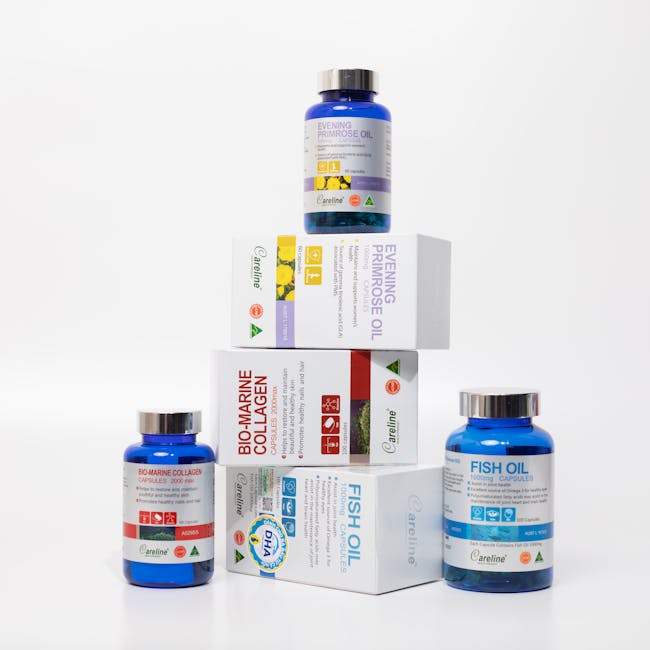
After addressing diet and lifestyle, supplements can fill specific gaps:
- Magnesium glycinate (200–400mg): Supports 300+ enzymatic processes including hormone production. Most women are deficient.
- Vitamin D3 (2,000–5,000 IU): Functions as a hormone itself. Deficiency is linked to depression, PMS, PCOS, and thyroid dysfunction.
- Omega-3 fatty acids (2,000mg EPA+DHA): Reduces inflammation, supports brain health, improves cell membrane function.
- B-complex vitamins: Essential for estrogen detoxification (B6), energy production (B12), and methylation (folate).
- Adaptogenic herbs: Ashwagandha for cortisol and thyroid; Vitex (chasteberry) for progesterone and PMS; Maca for energy and libido.
- Probiotics: Support estrobolome and gut-hormone axis.
Proven Solution 4: Medical Interventions
When natural approaches aren’t sufficient, medical interventions may be appropriate:
Hormone Testing
Request comprehensive testing from your provider:
- Estradiol, progesterone, testosterone (free and total), DHEA-S
- Cortisol (a.m., or four-point salivary cortisol for a full daily pattern)
- TSH, free T3, free T4, thyroid antibodies (TPO, TGAb)
- Fasting insulin, hemoglobin A1c, fasting glucose
- Vitamin D, B12, ferritin, magnesium RBC
Medical Treatment Options
- Bioidentical hormone replacement therapy (BHRT): Uses hormones chemically identical to what your body produces. Available as creams, patches, pellets, or pills. Commonly used for perimenopause and menopause symptoms.
- Thyroid medication: Levothyroxine (synthetic T4) or desiccated thyroid (T3+T4) for hypothyroidism.
- Metformin or inositol: For insulin resistance, especially in PCOS.
- Progesterone supplementation: Oral micronized progesterone for luteal phase deficiency, PMS, or sleep issues.
Frequently Asked Questions
At what age do hormonal imbalances become most common?
Hormonal imbalances can occur at any age, but they peak during three life stages: puberty, the reproductive years (especially with PCOS), and perimenopause/menopause (typically ages 38–55). Perimenopause symptoms can begin up to 10 years before the last period.
Can I test my hormones at home?
Yes. Companies like Everlywell, DUTCH test, and LetsGetChecked offer at-home hormone testing kits. The DUTCH Complete test (dried urine) provides the most comprehensive hormone metabolite data. However, results should be reviewed with a knowledgeable healthcare provider.
Can hormonal imbalance cause weight gain?
Absolutely. Insulin resistance drives fat storage (especially belly fat), high cortisol promotes visceral fat accumulation, low thyroid slows metabolism, and estrogen dominance contributes to water retention and fat storage in the hips and thighs. Addressing the hormonal root cause is often necessary for sustainable weight loss.
Are hormonal imbalances reversible?
Many hormonal imbalances are highly responsive to lifestyle changes. Conditions like insulin resistance, cortisol dysregulation, and estrogen dominance can often be significantly improved or fully resolved through diet, stress management, sleep, and targeted supplementation. Some conditions (like autoimmune thyroid disease) may require lifelong medication management.
Should I stop birth control if I suspect hormone imbalance?
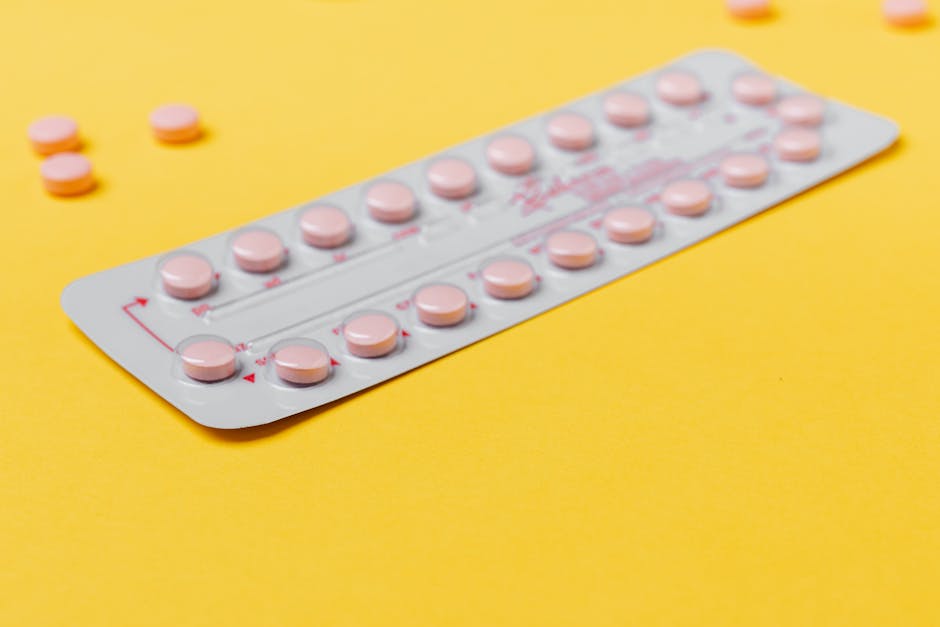
Discuss this with your healthcare provider. Hormonal birth control masks underlying imbalances by overriding your natural hormone production. If you’re experiencing symptoms while on birth control, it may be worth exploring non-hormonal alternatives and allowing your body to reveal its natural hormonal state so you can address root causes.
Taking Control of Your Hormonal Health
Hormonal imbalance isn’t something you have to live with, and it’s not “just part of being a woman.” It’s your body sending a clear signal that something needs attention. The symptoms are real, they’re valid, and they’re treatable.
Start by tracking your symptoms for one full menstrual cycle (or one month if you’re not cycling). Note energy levels, mood, sleep quality, digestion, skin, and any physical symptoms daily. This data gives you and your healthcare provider a powerful starting point.
Then choose one dietary change and one lifestyle change from this guide. Give them a full 30 days. That’s all it takes to begin shifting the trajectory of your hormonal health.
Disclaimer: This article provides general health education and is not intended to diagnose, treat, cure, or prevent any disease. Always consult a qualified healthcare provider for medical advice, diagnosis, and treatment. Do not stop or modify prescribed medications without consulting your doctor.