
10 Passive Income Ideas for Stay-at-Home Moms That Actually Work

Being a stay-at-home mom is one of the most demanding jobs on the planet — and one of the least financially rewarded. You’re managing a household, raising children, handling logistics that would overwhelm most corporate project managers, and doing it all without a paycheck, benefits, or retirement contributions.
But here’s something that’s changed dramatically in the past decade: building passive income from home has never been more accessible. You don’t need a massive upfront investment. You don’t need a business degree. And you don’t need 40 free hours per week. What you need is a smart strategy, consistent effort over a defined period, and the willingness to front-load work now for income that flows later.
Let’s be clear: true “passive” income isn’t truly effortless. Every income stream on this list requires some work to set up — sometimes weeks, sometimes months. But once established, they can generate money consistently with minimal ongoing maintenance. That’s the goal: build it once, earn from it for years.
What Makes a Good Passive Income Idea for Stay-at-Home Moms?

Not every passive income idea is realistic for women with children at home. The best ideas for moms share these traits:
- Flexible timing: You can work during naps, after bedtime, or in short bursts between activities.
- Low startup cost: Ideally under $500, since most families on one income don’t have large capital to invest.
- Scalable: The income can grow without a proportional increase in your time commitment.
- Location-independent: You can do it from your kitchen table, couch, or anywhere with WiFi.
- No client deadlines: Unlike freelancing, passive income doesn’t require you to deliver work by a specific time (important when a toddler decides 2 PM is meltdown hour).
1. Create and Sell Digital Products

Startup cost: $0–$100 | Income potential: $500–$5,000+/month | Time to first income: 2–8 weeks
Digital products are files you create once and sell unlimited times: planners, templates, printables, spreadsheets, e-books, checklists, and workbooks. There’s no inventory, no shipping, no per-unit cost after creation.
Best Digital Products for Moms to Sell
- Budget planners and financial trackers (PDF or Google Sheets templates)
- Meal planning templates with grocery lists
- Homeschool worksheets and curriculum supplements
- Wedding and party planning checklists
- Social media content calendars for small businesses
- Resume/CV templates
Where to Sell
- Etsy: The largest marketplace for digital downloads. Millions of buyers are already searching for exactly what you can create.
- Gumroad: Simple platform for selling directly to buyers. Lower fees than Etsy.
- Your own website: Use WordPress + WooCommerce or Shopify for the highest profit margins.
Getting Started
Use free tools like Canva (for design), Google Sheets (for spreadsheets), or Google Docs (for e-books). You don’t need design experience — Canva’s templates make professional-looking products accessible to anyone.
2. Start a Niche Blog with Ad Revenue and Affiliate Marketing
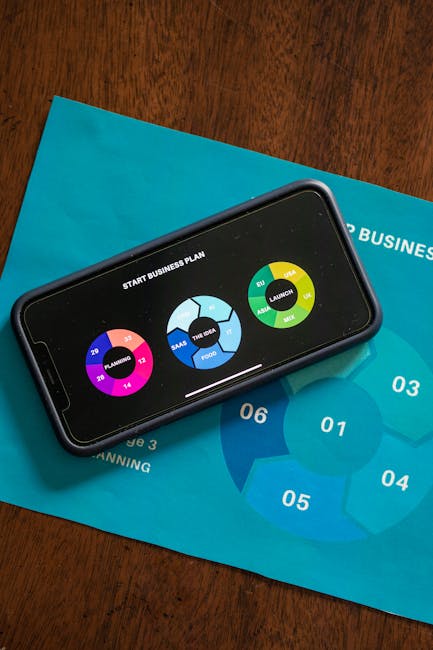
Startup cost: $50–$200/year (hosting) | Income potential: $500–$10,000+/month | Time to first income: 3–12 months
Blogging isn’t dead — it’s evolved. Modern niche blogs focusing on specific topics (personal finance for families, clean eating for busy moms, homeschool resources, budget travel) can generate substantial passive income through display advertising and affiliate marketing.
How Blog Income Works
- Display ads (AdSense, Mediavine, Raptive): You earn money every time someone visits your blog and sees ads. At higher traffic levels (50,000+ sessions/month), this can generate $1,000–$5,000+/month.
- Affiliate marketing: You recommend products you use and earn a commission when readers buy through your links. Amazon Associates, ShareASale, and brand-specific programs are the most common.
- Sponsored posts: Brands pay you $200–$2,000+ per post to review or feature their products (less passive, but highly profitable).
Best Blog Niches for Moms
- Personal finance and budgeting
- Parenting and family activities
- Meal prep and family recipes
- Home organization and decluttering
- Homeschool and education resources
- DIY and home improvement
The Reality Check
Blogging takes time to build. Most blogs don’t earn significant money until they have 30–50+ quality articles and have been active for 6–12 months. But once established, a single blog post can earn money for years without any additional effort.
3. Sell Print-on-Demand Products

Startup cost: $0 | Income potential: $200–$3,000+/month | Time to first income: 2–8 weeks
Print-on-demand (POD) lets you design products (t-shirts, mugs, tote bags, phone cases, wall art) that are only printed when a customer orders. You never handle inventory, shipping, or customer service — the POD company does everything.
Best POD Platforms
- Merch by Amazon: Your designs on Amazon products, sold to Amazon’s massive customer base.
- Redbubble: Upload designs once, they go on 70+ product types automatically.
- Printful + Etsy: Design on Printful, sell through your Etsy shop.
What Sells
- Funny mom quotes and sayings
- Motivational and inspirational designs
- Niche hobby and interest designs (dog breeds, hiking, crafting)
- Seasonal and holiday-themed products
- Simple, clean typography designs (you don’t need to be an artist)
4. Create an Online Course

Startup cost: $0–$500 | Income potential: $1,000–$10,000+/month | Time to first income: 4–12 weeks
If you have expertise in anything — meal planning, budgeting, potty training, home organization, photography, crochet, cake decorating — you can turn that knowledge into an online course that sells while you sleep.
Where to Host Your Course
- Udemy: Largest marketplace. They handle marketing but take a significant cut. Best for visibility.
- Teachable: Your own branded course platform. Higher profit margins. $39+/month.
- Skillshare: Get paid based on watch time. Great for creative and skill-based courses.
- YouTube + Patreon: Free courses on YouTube, premium content on Patreon for subscribers.
Course Creation Tips
- Keep courses focused and specific. “Complete Guide to Meal Prepping for Families of 4” is better than “Cooking 101.”
- Record with your smartphone — a phone and good lighting produce professional-enough video.
- Include downloadable resources (checklists, templates, worksheets) to increase perceived value.
- Pre-sell your course before creating it to validate demand.
5. Dividend Investing

Startup cost: $100+ | Income potential: Scales with investment size | Time to first income: Immediately (first dividend payment within 1–3 months)
Dividend investing means buying stocks or funds that pay you regular cash distributions. It’s the most truly passive income on this list — once you buy, you literally do nothing except collect payments.
Getting Started with Dividends
- Open a brokerage account (Fidelity, Vanguard, or Schwab).
- Invest in dividend ETFs like SCHD (Schwab U.S. Dividend Equity) or VYM (Vanguard High Dividend Yield).
- Reinvest dividends automatically (DRIP) to compound your investment.
- Even $200/month into dividend funds builds a meaningful income stream over time.
Realistic Income Expectations
| Invested Amount | Annual Dividends (3.5% yield) | Monthly Income |
|---|---|---|
| $10,000 | $350 | $29 |
| $50,000 | $1,750 | $146 |
| $100,000 | $3,500 | $292 |
| $250,000 | $8,750 | $729 |
The income is modest at first, but compound growth over 15–20 years turns small contributions into significant passive income streams.
6. Rent Out a Room or Space
Startup cost: $0–$500 (cleaning and staging) | Income potential: $500–$2,000+/month | Time to first income: 1–2 weeks
If you have a spare room, basement, or garage, you have a passive income opportunity. Options include:
- Airbnb: Rent a spare room to short-term guests. Average earnings: $100–$200/night depending on location.
- Long-term roommate: Rent a bedroom to a tenant for steady monthly income with less management than Airbnb.
- Storage space (Neighbor.com): Rent out your garage, attic, or basement as storage space. Minimal effort, steady monthly income.
- Parking (SpotHero, JustPark): If you’re near a city center, stadium, or airport, your driveway or parking spot can earn $100–$500+/month.
7. Affiliate Marketing Through Social Media

Startup cost: $0 | Income potential: $200–$5,000+/month | Time to first income: 1–3 months
You don’t need a blog to do affiliate marketing. Instagram, TikTok, Pinterest, and YouTube are all powerful platforms for recommending products and earning commissions.
How It Works
- Join affiliate programs (Amazon Associates, LTK/LikeToKnowIt, ShareASale).
- Share products you genuinely use and love through content (reviews, tutorials, hauls, day-in-my-life videos).
- When followers buy through your links, you earn 3–15% commission.
Best Platforms for Mom Affiliates
- Pinterest: Pins have a long shelf life (months to years). Create pins linking to affiliate products or your blog posts. Excellent for recipe, decor, and organization niches.
- Instagram: Stories with swipe-up links and Reels with product recommendations drive consistent affiliate sales.
- TikTok: Short, authentic product reviews can go viral and generate thousands in commissions from a single video.
8. Create a YouTube Channel

Startup cost: $0 (smartphone) | Income potential: $500–$10,000+/month | Time to first income: 3–12 months
YouTube pays creators through ad revenue once they reach 1,000 subscribers and 4,000 watch hours. Beyond ads, YouTube videos generate income through affiliate links, sponsorships, and digital product sales.
Best YouTube Niches for Moms
- Day-in-the-life and routine videos
- Budget hauls (grocery hauls, Dollar Tree hauls, Target runs)
- Cleaning and organization motivation
- Meal prep and recipe tutorials
- Homeschool routines and curriculum reviews
- Financial journey and debt payoff updates
The Passive Element
YouTube videos earn revenue for years after upload. A single well-performing video can generate $50–$500+/month in ad revenue indefinitely. The more videos you have, the larger your passive income library.
9. License Your Photography or Video

Startup cost: $0 (smartphone) | Income potential: $100–$1,000+/month | Time to first income: 2–4 weeks
If you take decent photos (even with your phone), you can license them on stock photography platforms. Businesses, bloggers, and designers constantly need authentic, diverse imagery.
Where to Sell
- Shutterstock: The largest platform. Earn $0.25–$2+ per download.
- Adobe Stock: Integrates with Adobe Creative Suite, reaching millions of designers.
- EyeEm: Focused on authentic, mobile photography.
- Etsy: Sell curated photo packs for businesses (e.g., “50 Flat Lay Photos for Instagram”).
What Sells
- Lifestyle photography (family, cooking, working from home)
- Flat lay images (products arranged aesthetically on a surface)
- Seasonal and holiday-themed images
- Diverse, authentic imagery (there’s high demand for authentic representation)
10. Build a Membership or Subscription Community

Startup cost: $0–$50/month | Income potential: $500–$10,000+/month | Time to first income: 4–12 weeks
If you have knowledge, skills, or a supportive community to offer, a membership model provides predictable, recurring passive income.
Membership Ideas for Moms
- Monthly meal plan subscription with shopping lists and recipes ($5–$15/month)
- Printable activity club for kids (new crafts and worksheets monthly)
- Budget coaching community with templates and weekly tips
- Fitness or wellness program with daily workout plans
- Homeschool resource library with new materials added monthly
Where to Host
- Patreon: Built for creators. Easy to set up tiered memberships.
- Substack: Paid newsletter model. Great for writers and educators.
- Buy Me a Coffee: Simple, low-barrier membership platform.
- Your own site: WordPress + MemberPress for maximum control and profit.
Frequently Asked Questions

How much passive income can a stay-at-home mom realistically earn?
It varies widely, but many moms earn $500–$2,000/month within their first year of dedicated effort. Some eventually surpass their previous full-time income. The key factors are consistency, niche selection, and willingness to invest time upfront.
Which passive income ideas require the least startup time?
Dividend investing and renting out a room can start generating income within days or weeks. Digital products on Etsy can be created and listed in a weekend. Blogging and YouTube require the longest ramp-up but often have the highest long-term income potential.
Do I need to report passive income on my taxes?
Yes. All income, including passive income, is taxable. Keep records of your earnings and expenses. Many passive income activities qualify for business expense deductions (home office, equipment, software, hosting). Consult a tax professional to ensure compliance and maximize deductions.
Can I build passive income with no money to start?
Absolutely. Digital products (using Canva’s free plan), affiliate marketing on social media, YouTube, print-on-demand, and Pinterest marketing all require zero upfront investment. Your primary investment is time.
How do I find time to build passive income with kids at home?
Use nap times, early mornings before kids wake, and evenings after bedtime. Even 1 hour per day consistently is enough to build most passive income streams. Focus on one idea at a time rather than trying to do everything at once.
Your Action Plan
Don’t try to pursue all 10 ideas. Choose one that aligns with your skills, interests, and available time. Commit to it for 90 days before evaluating results or switching. Most passive income streams take at least 3 months of consistent effort before generating meaningful money.
Start with whatever you can do today — even if it’s just setting up an Etsy account, buying your first index fund, or brainstorming YouTube video ideas. The difference between moms who build passive income and those who don’t isn’t talent or luck. It’s starting.
Disclaimer: Income results vary based on effort, niche, market conditions, and individual circumstances. This article provides general education and is not a guarantee of specific income results. Consult a financial or tax professional for advice specific to your situation.