
Best Credit Cards for Women in 2026: Rewards, Cashback & Travel Benefits
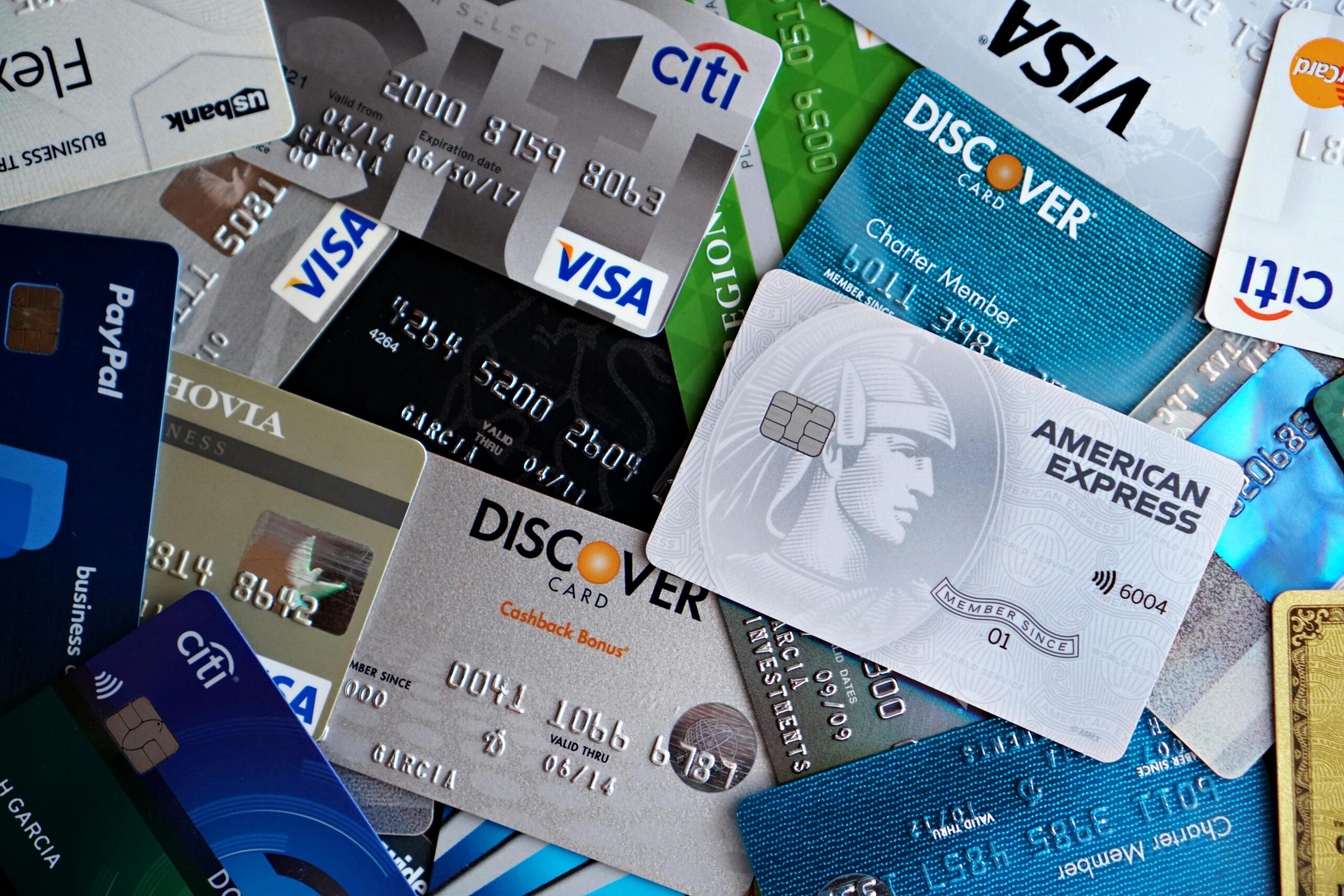
Let’s be honest: credit cards get a bad reputation, and in some cases, they deserve it. Used carelessly, they can lead to spiraling debt, crushed credit scores, and years of financial stress. But used strategically? Credit cards are one of the most powerful financial tools available to women.
The right credit card pays you to spend money you were going to spend anyway. Groceries, gas, bills, subscriptions, travel — these everyday expenses can generate hundreds or even thousands of dollars in annual rewards. It’s free money that’s sitting on the table, and most women aren’t picking it up.
This guide cuts through the marketing noise and identifies the best credit cards for women in 2026 based on five key categories: cashback, travel rewards, balance transfers, credit building, and business expenses. Each recommendation includes the card’s strengths, weaknesses, and the specific type of woman it’s best suited for.
How to Choose the Right Credit Card for Your Life

Before comparing cards, ask yourself three questions:
Question 1: How Do You Spend Money?
Your spending patterns determine which card earns you the most. Track a typical month:
- Groceries: If you spend $600+/month on groceries, a card with 3–6% cashback on grocery purchases is worth more than a flat-rate card.
- Gas and commuting: Regular commuters benefit from cards with 3–5% back on gas and transit.
- Online shopping: Amazon, Target, and subscription-heavy spenders should look at store-specific or online shopping bonus cards.
- Travel: If you fly 2+ times per year, a travel rewards card can offset hundreds in flight and hotel costs.
- Everything else: If your spending is spread across many categories, a flat-rate 2% cashback card is often the most practical choice.
Question 2: Do You Carry a Balance?
- If yes: Focus on low APR cards or 0% intro APR balance transfer cards. Rewards mean nothing if you’re paying 20%+ interest.
- If no: Focus on maximizing rewards. Pay your balance in full every month and earn free money.
Question 3: What’s Your Credit Score?
- Excellent (750+): You qualify for the best rewards cards with sign-up bonuses and premium perks.
- Good (670–749): Most mid-tier rewards cards are available to you.
- Fair (580–669): Look at credit-building cards with no annual fee.
- Building/No credit: Secured credit cards are your starting point.
Best Cashback Credit Cards for Women in 2026

Best Overall Cashback: Citi Double Cash Card
- Cashback: 2% on everything (1% when you buy, 1% when you pay).
- Annual fee: $0.
- Best for: Women who want simplicity. No categories to track, no quarterly activations. Just 2% on every purchase, period.
- Why women love it: It’s set-and-forget. No need to optimize spending categories or remember to activate quarterly bonuses. You earn elite-level cashback on everything from daycare payments to grocery runs.
Best for Groceries and Family Spending: Blue Cash Preferred from American Express
- Cashback: 6% at U.S. supermarkets (up to $6,000/year), 6% on select U.S. streaming subscriptions, 3% on transit and U.S. gas, 1% everything else.
- Annual fee: $95.
- Best for: Moms and family households spending $400+/month on groceries. The 6% grocery cashback easily offsets the annual fee.
- Real-world example: A family spending $800/month on groceries earns $576/year in grocery cashback alone — a net gain of $481 after the annual fee.
Best Rotating Categories: Chase Freedom Flex
- Cashback: 5% on quarterly rotating categories (must activate each quarter), 3% on dining and drugstores, 1% everything else.
- Annual fee: $0.
- Best for: Women who enjoy optimizing and are willing to track quarterly categories for maximum rewards.
- Bonus: Pairs perfectly with Chase Sapphire cards for even higher point values.
Best Travel Rewards Credit Cards for Women in 2026
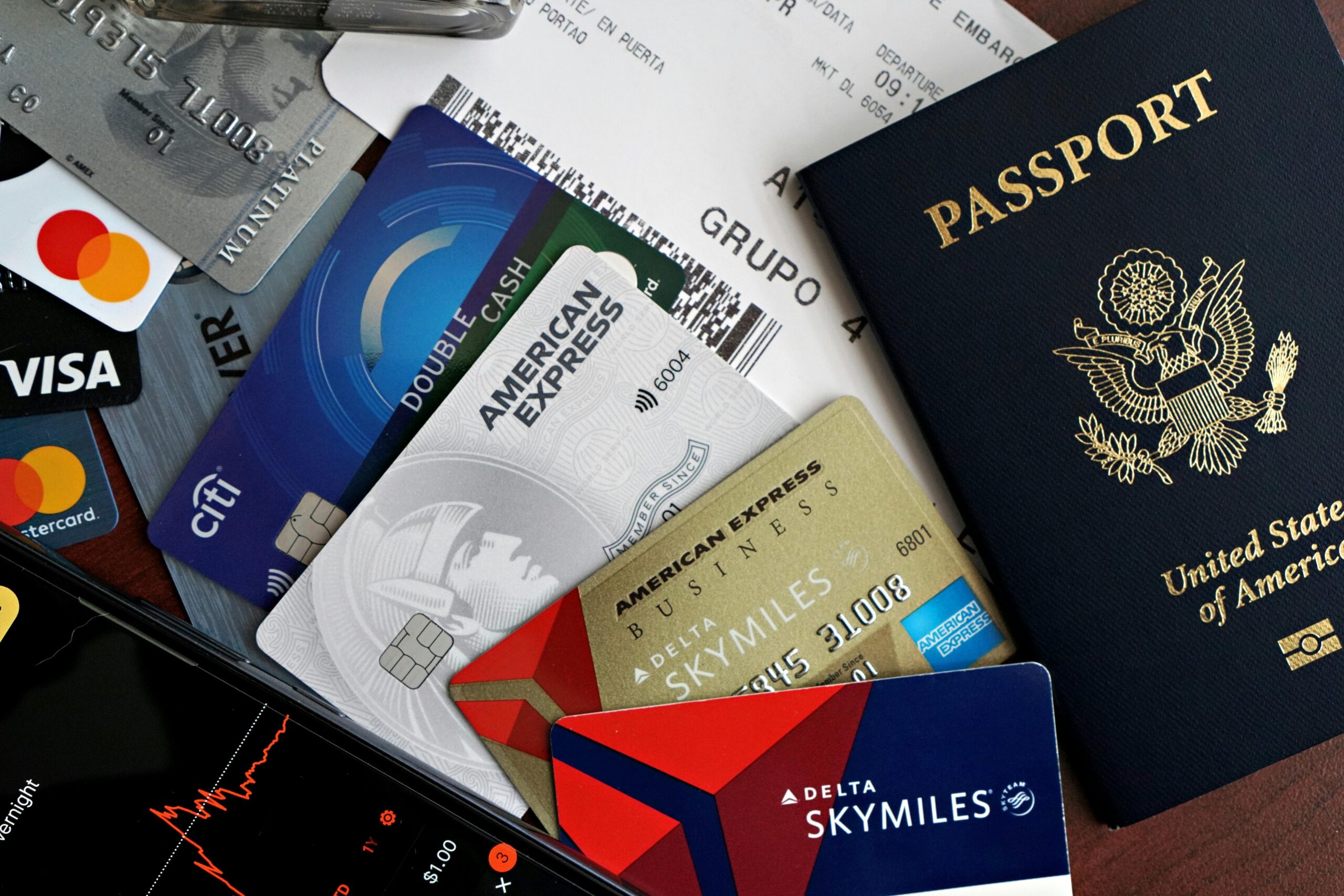
Best Overall Travel Card: Chase Sapphire Preferred
- Rewards: 5x on Chase Travel, 3x on dining and select streaming, 2x on other travel, 1x everything else.
- Annual fee: $95.
- Sign-up bonus: 60,000 points after spending $4,000 in 3 months (worth $750+ in travel).
- Best for: Women who travel 2–4 times per year and want versatile points that transfer to airlines and hotels.
- Key perk: Points are worth 25% more when booked through Chase Travel portal. Trip cancellation/delay insurance included.
Best No-Annual-Fee Travel Card: Capital One VentureOne
- Rewards: 1.25x miles on every purchase, 5x on hotels and rental cars booked through Capital One Travel.
- Annual fee: $0.
- Best for: Women who travel occasionally and want travel rewards without committing to an annual fee.
- Redeem: Use miles to erase any travel purchase from your statement at 1 cent per mile.
Best Premium Travel Card: Capital One Venture X
- Rewards: 10x miles on hotels/cars via Capital One Travel, 5x on flights via Capital One Travel, 2x on everything else.
- Annual fee: $395 (offset by $300 annual travel credit + 10,000 anniversary miles worth $100).
- Best for: Frequent travelers. The $300 travel credit and anniversary miles effectively reduce the net annual fee to $0.
- Premium perks: Airport lounge access (Priority Pass + Capital One Lounges), no foreign transaction fees, premium travel insurance.
Best Balance Transfer Credit Cards for Women in 2026
Best 0% Intro APR: Wells Fargo Reflect Card
- Intro APR: 0% for 21 months on purchases and balance transfers (one of the longest in 2026).
- Annual fee: $0.
- Best for: Women paying down existing credit card debt. Transfer high-interest balances and pay them off over 21 months with zero interest.
- Strategy: Divide your total balance by 21 months and set up automatic payments for that exact amount. You’ll be debt-free before the intro period ends.
Runner-Up: Citi Simplicity Card
- Intro APR: 0% for 21 months on balance transfers, 12 months on purchases.
- Annual fee: $0.
- No late fees ever. This is unique and valuable for women who are rebuilding financial habits.
- Best for: Women who need breathing room to pay off debt without the stress of late fee penalties.
Best Credit-Building Cards for Women in 2026

Best for Building Credit from Scratch: Discover it Secured
- How it works: You provide a security deposit ($200 minimum) that becomes your credit limit. Use it like a regular card and build credit history.
- Cashback: 2% at gas stations and restaurants (up to $1,000/quarter), 1% everything else.
- Annual fee: $0.
- Best feature: Automatic reviews for upgrade to an unsecured card after 7 months. Discover also matches all cashback earned in the first year (Cashback Match).
- Best for: Women with no credit history, young women starting out, or women rebuilding after financial difficulty.
Best for Rebuilding After Divorce or Financial Hardship: Capital One Platinum Secured
- Deposit: As low as $49 for a $200 credit limit (based on creditworthiness).
- Annual fee: $0.
- Automatic credit line reviews: Capital One monitors your account and may increase your limit without additional deposits.
- Best for: Women who need a fresh start with minimal upfront cost. No cashback rewards, but the focus is on credit building, not earning.
Best Credit Cards for Women Entrepreneurs and Side Hustlers
Best Business Card: Chase Ink Business Cash
- Cashback: 5% on office supplies and internet/phone bills (first $25K/year), 2% on gas and dining (first $25K/year), 1% everything else.
- Annual fee: $0.
- Best for: Women running side businesses, freelancing, or selling on Etsy/Shopify. Keeps business expenses separate from personal spending.
- Key benefit: Even sole proprietors and freelancers can apply. You don’t need a registered LLC.
How to Maximize Your Credit Card Rewards
The Two-Card Strategy
Most women can maximize rewards with just two cards:
- A category card for your highest spending area (e.g., Blue Cash Preferred for groceries).
- A flat-rate card for everything else (e.g., Citi Double Cash for 2% on all other purchases).
This combination is simple to manage and earns you significantly more than any single card alone.
Rules for Responsible Credit Card Use
- Pay your full balance every month. If you can’t, rewards aren’t worth the interest you’ll pay.
- Never spend more than you would with cash. Treat your credit card as a payment tool, not a borrowing tool.
- Set up autopay for the full statement balance. This eliminates late payments and interest charges permanently.
- Keep old accounts open. Length of credit history (15% of your score) improves the longer you keep accounts active.
- Keep utilization below 30%. If your credit limit is $10,000, keep your balance below $3,000 at any point during the statement cycle. Under 10% is even better for your credit score.
Understanding Your Credit Score

Your credit score affects more than just credit card approvals. It impacts mortgage rates, insurance premiums, rental applications, and even job offers. Here’s what makes up your FICO score:
| Factor | Weight | What It Means |
|---|---|---|
| Payment history | 35% | Paying on time every time |
| Credit utilization | 30% | How much of your available credit you use |
| Length of credit history | 15% | How long your accounts have been open |
| Credit mix | 10% | Variety of account types (cards, loans, mortgage) |
| New credit inquiries | 10% | Number of recent applications |
Frequently Asked Questions
Are there credit cards specifically designed for women?
There aren’t cards that restrict applicants by gender, but some cards align better with spending patterns common among women — particularly cards with high grocery, family entertainment, and online shopping rewards. The Ellevest debit card also offers features designed around women’s financial goals.
How many credit cards should I have?
Two to three is the sweet spot for most women. One primary rewards card, one for your highest spending category, and optionally one for balance transfers or credit building. More cards mean more to manage, and the marginal rewards usually aren’t worth the complexity.
Will applying for a new credit card hurt my score?
A hard inquiry typically drops your score by 5–10 points temporarily. The impact fades within a few months and disappears after two years. The new credit line may actually improve your score over time by reducing your overall utilization ratio.
What’s the best credit card for someone with no credit history?
A secured credit card like the Discover it Secured is the best starting point. Use it for small, regular purchases, pay the full balance monthly, and you’ll build credit history within 6–12 months. After that, you can qualify for better rewards cards.
Should I close credit cards I don’t use?
Generally, no. Closing a credit card reduces your total available credit (increasing utilization ratio) and shortens your average account age. Both hurt your score. Instead, use unused cards for one small recurring purchase per month (like a streaming subscription) to keep them active.
Is cashback or travel rewards better?
Cashback is simpler and more universally valuable — you get money back regardless of how you spend it. Travel rewards can offer higher value per point but only if you actually travel. If you fly less than twice a year, cashback is likely the better choice.
Your Next Step
Check your credit score for free (through your bank, Credit Karma, or Discover). Then use the spending analysis above to identify which card category fits your life. Apply for one card, set it up with autopay, and let the rewards start accumulating.
Stop paying for everything with a debit card that earns you nothing. The expenses you’re already making — groceries, gas, utilities, subscriptions — can put hundreds of dollars back in your pocket every year. All it takes is the right card and the discipline to pay your balance in full.
Disclaimer: This article is for informational purposes only. Credit card terms, rates, and offers are subject to change. Always read the full terms and conditions before applying. This article may contain references to products from our partners, but all recommendations are based on editorial evaluation and not influenced by compensation.