
Soft Milk Bread
 3:55
3:55
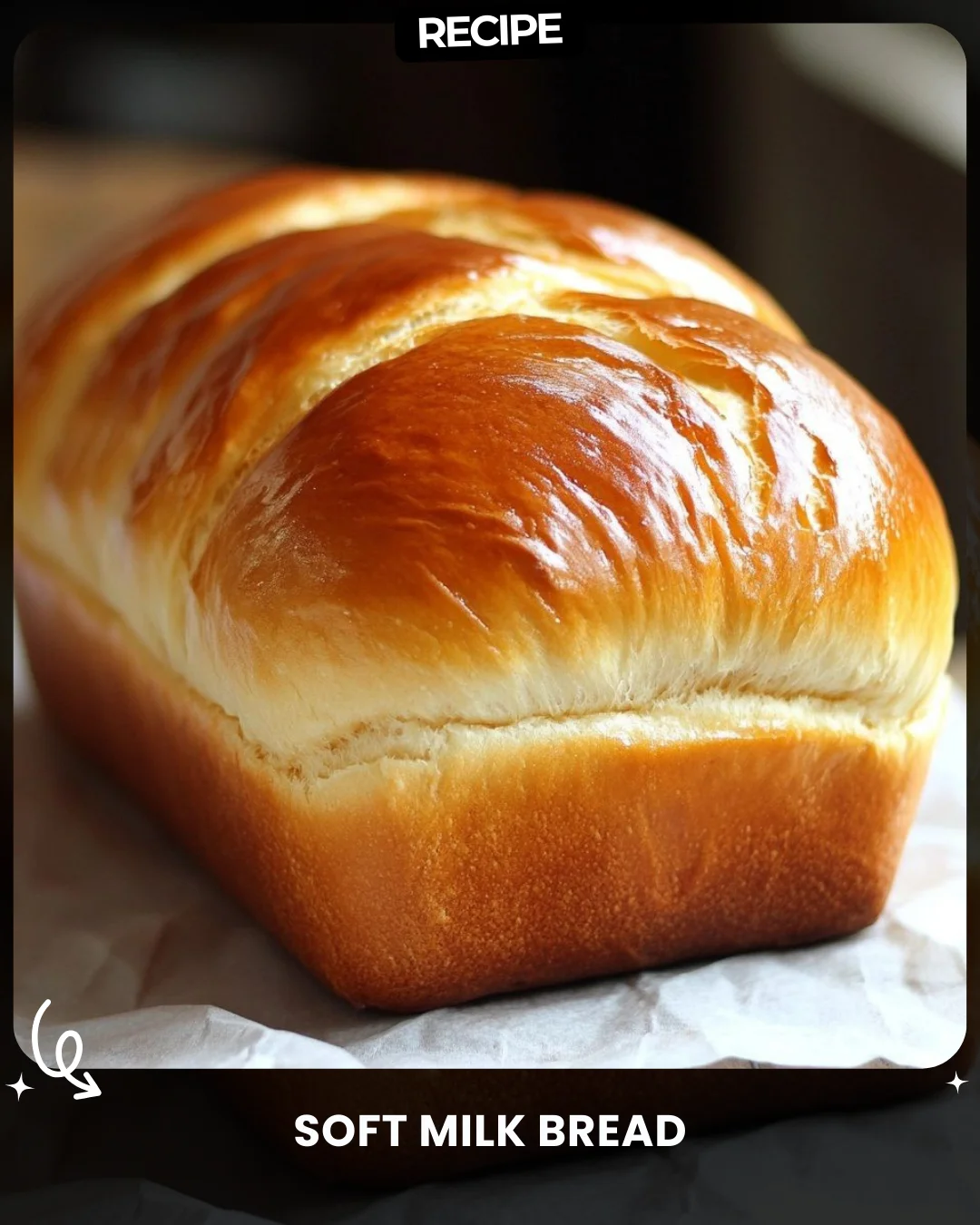
Soft Milk Bread Loaf
Description
Soft Milk Bread
Ingredients:
3 1/4 cups (400g) all-purpose flour
1/4 cup (50g) sugar
1 teaspoon salt
1 tablespoon instant yeast
1 cup (240ml) warm milk
1/4 cup (60ml) warm water
1 large egg
1/4 cup (60g) unsalted butter, softened
Instructions:
1. Prepare the Dough:
In a mixing bowl, combine flour, sugar, salt, and yeast
.
Add warm milk, water, and egg, mixing until a dough forms.
Knead in the softened butter until the dough is smooth and elastic, about 8-10 minutes
.
2. First Rise:
Place the dough in a greased bowl, cover with a damp cloth, and let it rise in a warm place until doubled in size, about 1-2 hours
.
3. Shape the Dough:
Punch down the dough, shape it into a loaf, and place it in a greased loaf pan
.
4. Second Rise:
Cover the pan and let the dough rise again until it reaches the top of the pan, about 30-45 minutes
.
5. Bake:
Preheat the oven to 350°F (175°C)
.
Brush the top of the dough with milk or egg wash for a golden finish
.
Bake for 25-30 minutes or until the bread is golden brown and sounds hollow when tapped on top
.
6. Cool:
Let the bread cool in the pan for 10 minutes, then transfer to a wire rack to cool completely
.
Step-by-Step Guide
Begin by ensuring all ingredients are at the correct temperature. The milk and water should be warm (about 110°F/43°C) to activate the yeast without killing it. In your mixing bowl, whisk together the dry ingredients—flour, sugar, salt, and instant yeast—to ensure even distribution. Add the warm liquids and the egg, mixing with a dough hook or by hand until a shaggy dough forms. Now, begin kneading. The key step is incorporating the softened butter. Add it a tablespoon at a time while continuing to knead. The dough will become slippery but will eventually absorb the butter. Knead for a full 8-10 minutes until the dough is exceptionally smooth, elastic, and passes the “windowpane test”: stretch a small piece thinly enough to see light through it without tearing.
Serving Suggestions
This versatile milk bread is perfect for classic sandwiches, especially with fillings like egg salad or ham and cheese. For breakfast, toast thick slices and spread with butter and jam or honey. It makes exceptional French toast or bread pudding due to its rich, tender crumb. For a savory twist, use slices for gourmet grilled cheese or as the base for avocado toast. It also pairs wonderfully with soups and stews, soaking up broths beautifully.
How-to Summary
To make soft milk bread, mix dry ingredients, then combine with warm wet ingredients to form a dough. Knead thoroughly, incorporating softened butter until smooth and elastic. Allow the dough to rise until doubled. Punch it down, shape into a loaf, place in a pan, and let it rise again. Bake at 350°F (175°C) for 25-30 minutes until golden and hollow-sounding. Cool completely before slicing.
Frequently Asked Questions
Can I use active dry yeast instead of instant? Yes. Activate it in the warm milk and water with a pinch of sugar for 5-10 minutes until foamy before adding to the dry ingredients.
Why is my bread dense? This is often due to over-measuring flour (always spoon and level), liquid that was too hot and killed the yeast, or not allowing enough time for either rise.
Can I make this dough in a bread machine? Absolutely. Add all ingredients per your machine’s manual (typically liquids first), select the dough cycle, then shape, rise, and bake as instructed.
How do I store the bread? Keep it in an airtight bag at room temperature for up to 3 days. For longer storage, slice and freeze for up to 3 months.
Can I use bread flour? Yes, bread flour will create a slightly chewier texture. For maximum softness, all-purpose flour is recommended.
Common Mistakes to Avoid
- Using cold ingredients: Cold milk, water, or egg will slow yeast activation and hinder the rise.
- Adding butter too early: Incorporate butter only after the dough has come together to allow the gluten to develop first.
- Under-kneading: This prevents proper gluten formation, leading to a weak structure and dense bread.
- Slicing while warm: Cutting into the loaf before it’s fully cooled will cause it to become gummy as the steam escapes.
- Inaccurate oven temperature: Use an oven thermometer to verify your oven’s calibration for perfect baking.
Conclusion
Mastering this soft milk bread recipe is a rewarding baking achievement. By following the detailed steps, avoiding common pitfalls, and understanding the science behind the ingredients, you can consistently produce a loaf with a feather-light, tender crumb and a beautifully golden crust. Its versatility makes it a staple worth perfecting. Enjoy the process and the delicious, homemade results.