



































































Description
3 cups all-purpose flour
1 tsp salt
1 tsp active dry yeast
1 tbsp fresh rosemary, chopped
3 cloves garlic, minced
1 ½ cups warm water (about 110°F or 43°C)
1 tbsp olive oil, plus extra for drizzling
¼ tsp honey (optional, to activate yeast)
Directions:
In a large bowl, combine the flour, salt, yeast, rosemary, and garlic.
Pour in the warm water and olive oil, stirring with a wooden spoon until a sticky dough forms. If using honey, add it to the warm water to activate the yeast
before mixing.
Cover the bowl with a clean kitchen towel and let the dough rise at room temperature for 1-2 hours, or until it has doubled in size.
Preheat the oven to 450°F (230°C) and place a Dutch oven or oven-safe pot with a lid in the oven to heat up.
Once the dough has risen, gently shape it into a ball and place it onto a floured surface. Let it rest for 10 minutes while the oven heats.
Carefully remove the hot Dutch oven from the oven, place the dough inside, cover with the lid, and bake for 30 minutes.
After 30 minutes, remove the lid and bake for an additional 10-15 minutes, until the bread is golden brown.
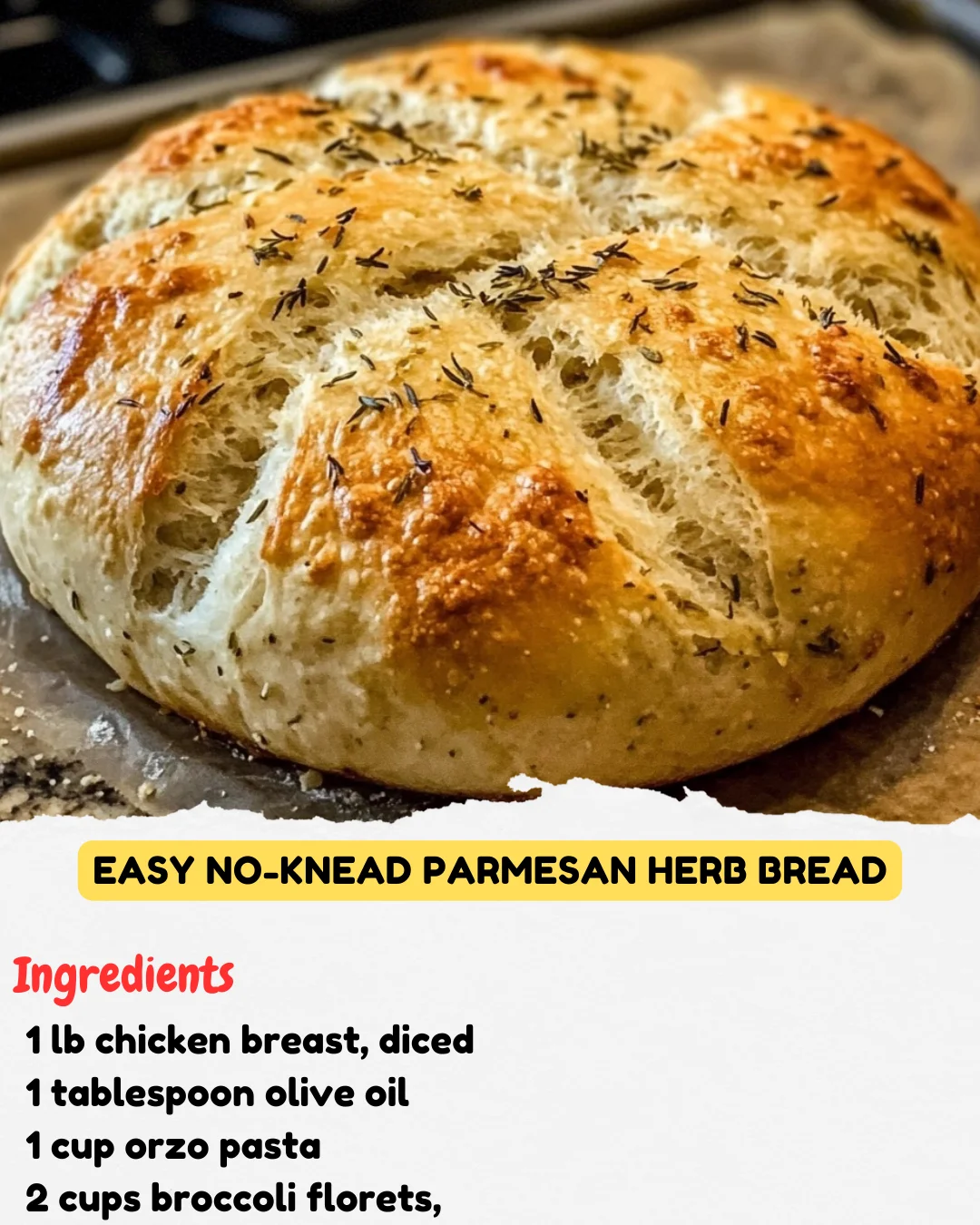
Remove from the oven, drizzle with a little extra olive oil, and let cool slightly before slicing. Enjoy your rustic rosemary garlic bread!
Prep Time: 10 minutes Rising Time: 1-2 hours Cooking Time: 45 minutes Total Time: 2 hours 55 minutes Kcal: 150 per slice Servings: 8 servings
Step-by-Step Guide
Follow these detailed instructions for perfect no-knead rosemary garlic bread every time.
- Activate the Yeast: In a small bowl, combine the warm water (110°F is crucial), honey, and olive oil. Sprinkle the yeast on top and let it sit for 5-10 minutes until foamy.
- Mix Dry Ingredients: In a large mixing bowl, whisk together the flour, salt, chopped rosemary, and minced garlic.
- Combine: Pour the foamy yeast mixture into the dry ingredients. Stir with a wooden spoon until a shaggy, sticky dough forms and no dry flour remains.
- First Rise: Cover the bowl tightly with plastic wrap or a damp kitchen towel. Let it rise in a warm, draft-free spot for 1-2 hours, until doubled in size and bubbly.
- Preheat & Shape: As the dough finishes rising, preheat your oven to 450°F (230°C) with your Dutch oven inside. Turn the risen dough onto a floured surface and gently shape it into a ball. Let it rest for 10 minutes.
- Bake Covered: Carefully place the dough into the preheated Dutch oven (parchment paper helps). Cover with the lid and bake for 30 minutes.
- Bake Uncovered: Remove the lid and bake for another 10-15 minutes until the crust is deeply golden brown and sounds hollow when tapped.
- Cool: Transfer the bread to a wire rack. Drizzle with olive oil and let it cool for at least 30 minutes before slicing to prevent a gummy interior.
Serving Suggestions
This aromatic bread is incredibly versatile. Serve it warm with high-quality olive oil and balsamic vinegar for dipping. It’s perfect for sopping up soups, stews, or pasta sauces. For a simple appetizer, top slices with fresh mozzarella, tomato, and a basil leaf. It also makes exceptional sandwiches, especially with roasted vegetables and pesto.
How-to Summary
This is a simple no-knead bread. Mix activated yeast, water, and oil with flour, salt, rosemary, and garlic. Let the sticky dough rise until doubled. Shape, then bake covered in a preheated Dutch oven at 450°F for 30 minutes. Finish uncovered for 10-15 minutes until golden brown. Cool before slicing.
Frequently Asked Questions
Can I use dried rosemary instead of fresh? Yes, use 1 teaspoon of dried rosemary. Crush it between your fingers to release the oils before adding.
My dough didn’t double in size. What happened? Your yeast may be old, the water was too hot and killed it, or the rising spot was too cold. Ensure your yeast is fresh and the environment is warm.
I don’t have a Dutch oven. What can I use? Use any heavy, oven-safe pot with a tight-fitting lid. A deep casserole dish covered tightly with foil can also work.
Can I make the dough ahead? Absolutely. After the first mix, cover the bowl and refrigerate for up to 24 hours for a slow, flavorful rise. Let it sit at room temperature for 30 minutes before baking.
Why is my bread dense and gummy? This is usually due to slicing the bread while it’s still hot. The interior needs time to set. Always let it cool completely on a wire rack.
Common Mistakes to Avoid
- Using water that’s too hot: Water above 115°F can kill the yeast. Use a thermometer to ensure it’s between 105-110°F.
- Skipping the preheat: The Dutch oven must be scorching hot to create an instant oven spring and a crisp crust.
- Over-flouring the dough: The dough should be sticky and shaggy. Adding too much flour during handling creates a dense loaf.
- Cutting the bread too soon: Slicing into hot bread releases steam, making the interior gummy. Patience is key.
Conclusion
This rustic rosemary garlic bread proves that artisan-quality baking is achievable at home with minimal effort. The no-knead method and Dutch oven technique combine to create a loaf with an impossibly crisp crust and a soft, aromatic interior studded with garlic and rosemary. Mastering this recipe opens the door to endless variations and the profound satisfaction of homemade bread. Enjoy the process and the delicious results.