



















































Description
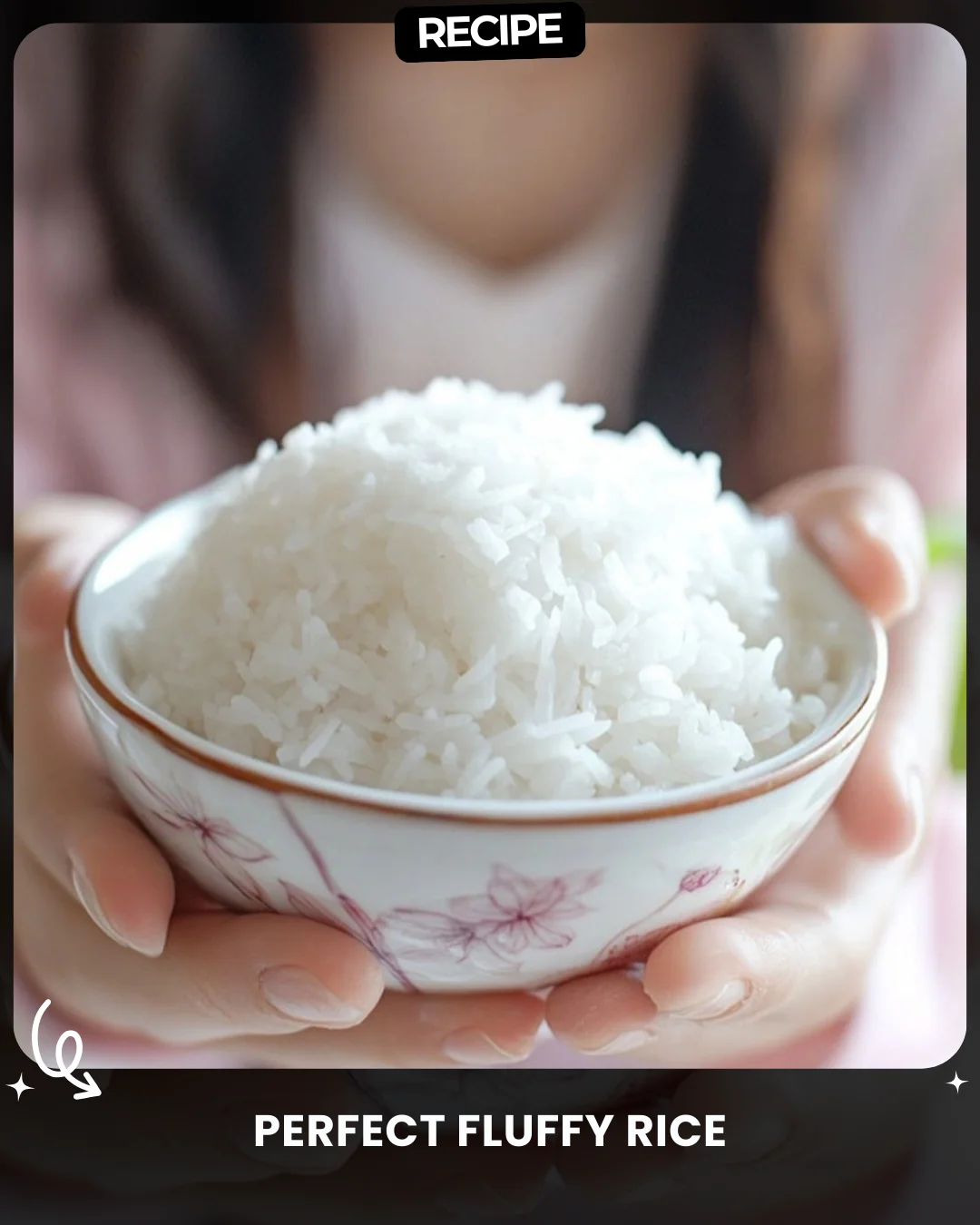
Perfect Fluffy Rice
Make flawless rice every single time with this easy recipe! Pair it with curries, stir-fries, or enjoy it plain.
Ingredients:
1 cup short-grain rice
2 cups water
½ tsp sesame oil (optional)
Steps:
Rinse short-grain rice until water is clear.
In a pot, combine rice, water, and sesame oil. Bring to a rolling boil.
Cover, lower the heat, and simmer for 15 minutes.
Let rest for 5 minutes before fluffing and serving.
What do you pair with your rice? Drop your ideas below!
#RiceCookingMadeEasy
Step-by-Step Guide
Follow these detailed instructions for consistently perfect, fluffy rice.
- Rinse Thoroughly: Place 1 cup of short-grain rice in a fine-mesh strainer. Rinse under cold running water, gently agitating the grains with your fingers, until the water runs completely clear. This removes excess starch and prevents gummy rice.
- Combine and Boil: Transfer the rinsed rice to a medium saucepan with a tight-fitting lid. Add 2 cups of fresh, cold water and ½ teaspoon of sesame oil (if using). Stir once. Place the pot over high heat and bring to a full, rolling boil.
- Simmer: As soon as a rolling boil is reached, immediately cover the pot with the lid and reduce the heat to the lowest possible setting. Let the rice simmer gently, undisturbed, for exactly 15 minutes. Do not lift the lid during this time.
- Rest and Fluff: After 15 minutes, turn off the heat. Let the covered pot sit for 5 full minutes to allow the rice to finish steaming and absorb any residual moisture. Finally, remove the lid and fluff the rice gently with a fork to separate the grains before serving.
Serving Suggestions
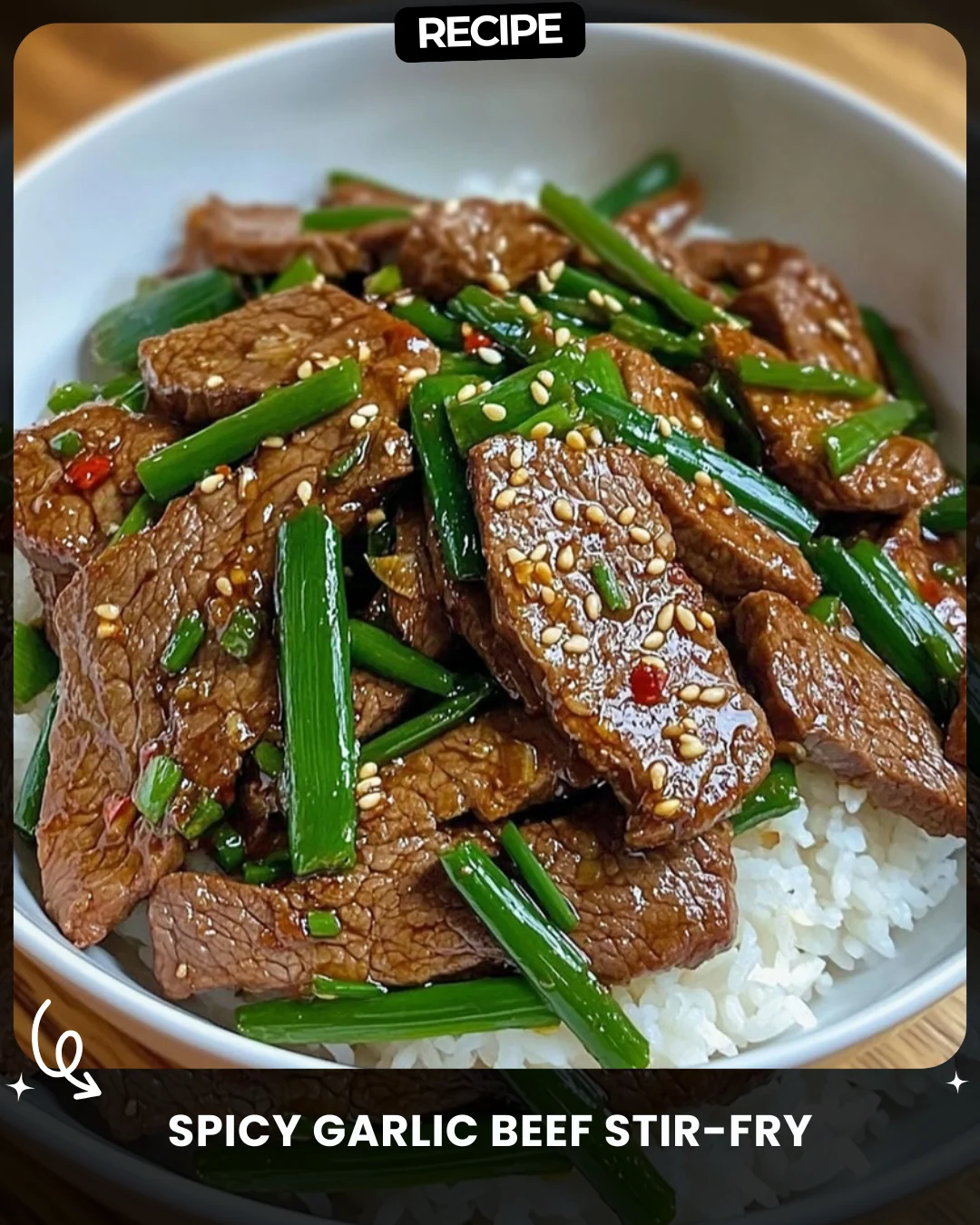
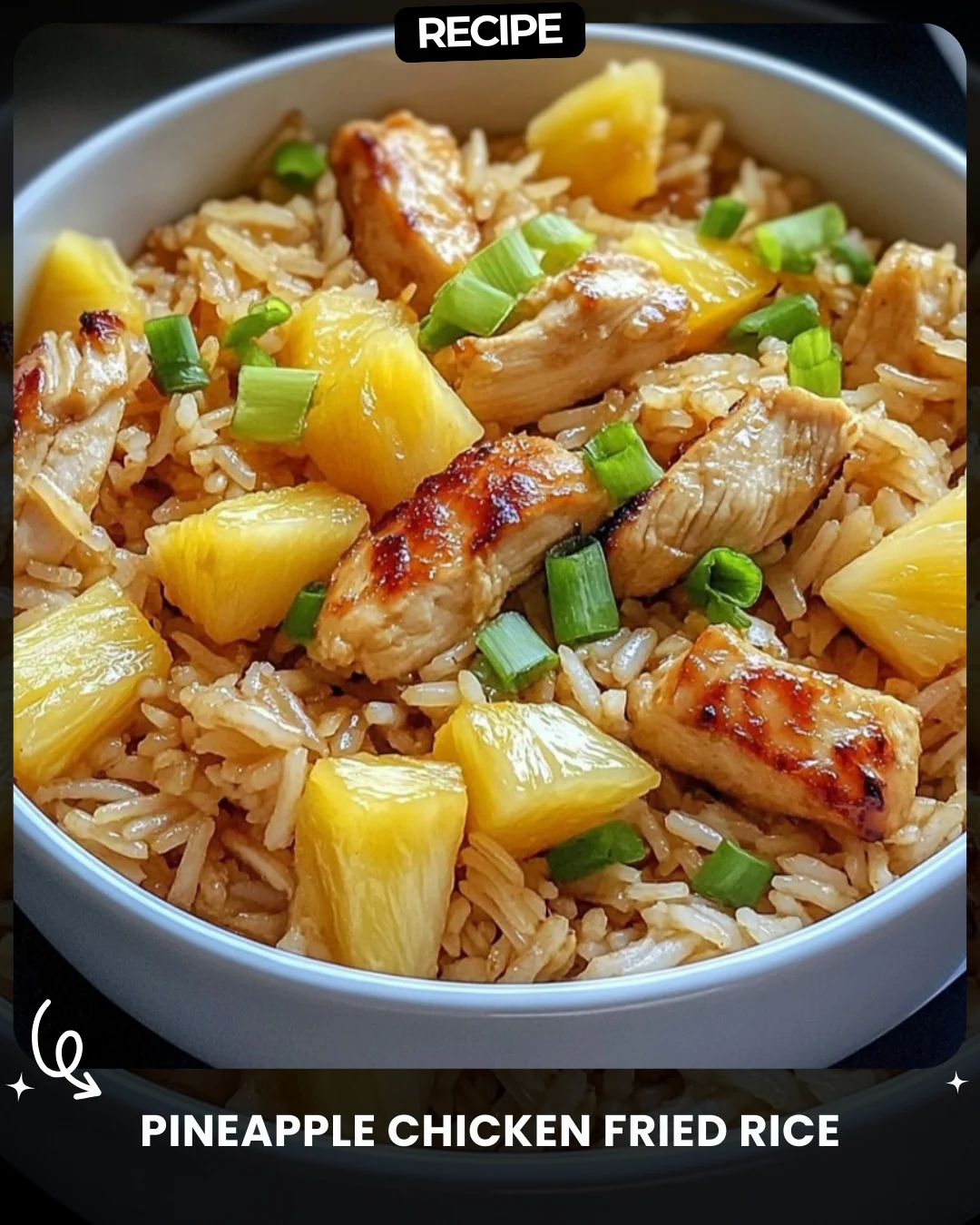
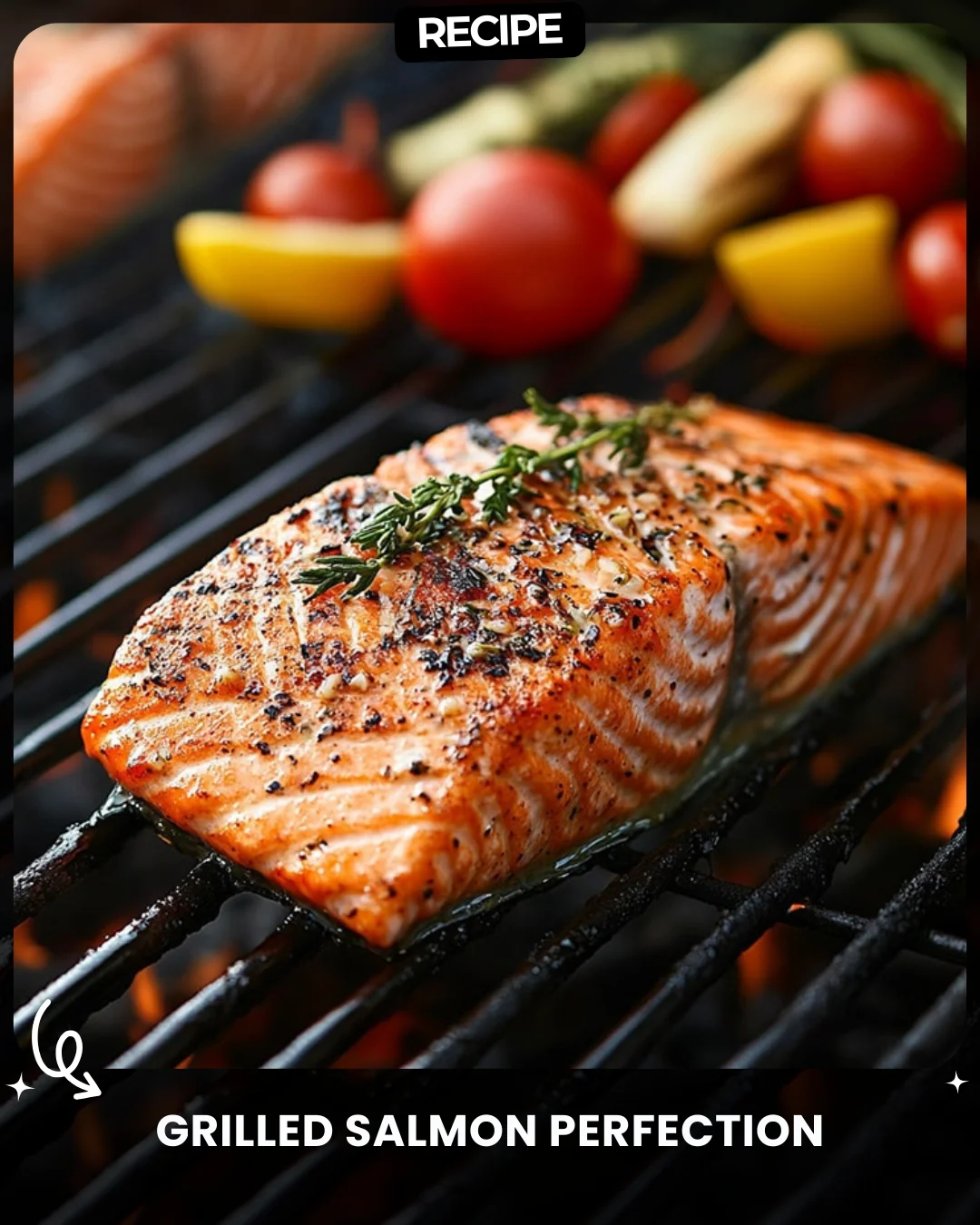
This versatile fluffy rice is the perfect base for countless meals. Serve it alongside a rich Japanese or Thai curry, or under a savory stir-fry with vegetables and protein. It makes an excellent bed for grilled teriyaki salmon or chicken. For a simple meal, top it with a fried egg, a drizzle of soy sauce, and sliced green onions. Leftover rice is ideal for fried rice the next day.
How-to Summary
For perfect rice every time: rinse the grains, use a 1:2 rice-to-water ratio, bring to a boil, then cover and simmer on low for 15 minutes. Let it rest off the heat for 5 minutes before fluffing.
Frequently Asked Questions
Can I use long-grain rice like basmati or jasmine with this method?
Yes, but the water ratio may vary slightly. For most long-grain white rice, a 1:1.5 ratio (1 cup rice to 1.5 cups water) is standard. The simmer and rest times remain the same.
Why is my rice still wet or sticky after cooking?
This is usually due to insufficient rinsing (leaving too much surface starch) or using too much water. Ensure you rinse until the water is clear and measure water precisely.
What does the sesame oil do?
The sesame oil is optional but adds a subtle, nutty aroma and flavor. It can also help prevent the rice from foaming over and make the grains slightly less sticky.
Can I double or triple this recipe?
Absolutely. Use a pot large enough to allow the rice to expand (it will roughly triple in volume). The cooking time remains the same, but the resting time may need an extra minute or two for larger batches.
How do I store and reheat leftover rice?
Cool rice quickly, then store in an airtight container in the refrigerator for up to 4 days. Reheat by sprinkling with a tablespoon of water and covering loosely in the microwave, or by steaming.
Common Mistakes to Avoid
- Not Rinsing: Skipping the rinse leads to gummy, clumpy rice.
- Lifting the Lid: Peeking during cooking releases essential steam and lowers the temperature, resulting in unevenly cooked rice.
- Incorrect Heat: Boiling too vigorously after covering will burn the bottom. Ensure the heat is as low as possible for the simmer.
- Skipping the Rest: Fluffing immediately after cooking makes rice mushy. The 5-minute rest is crucial for perfect texture.
- Using the Wrong Pot: A thin-bottomed pot or a lid that doesn’t fit tightly can cause heat fluctuations and steam loss.
Conclusion
Mastering fluffy rice is a fundamental kitchen skill that elevates everyday meals. By following this simple, reliable method—emphasizing rinsing, precise ratios, and undisturbed cooking—you can guarantee perfect results. Once you have the technique down, this versatile staple will become an effortless part of your cooking routine, ready to complement any dish you create.