Description
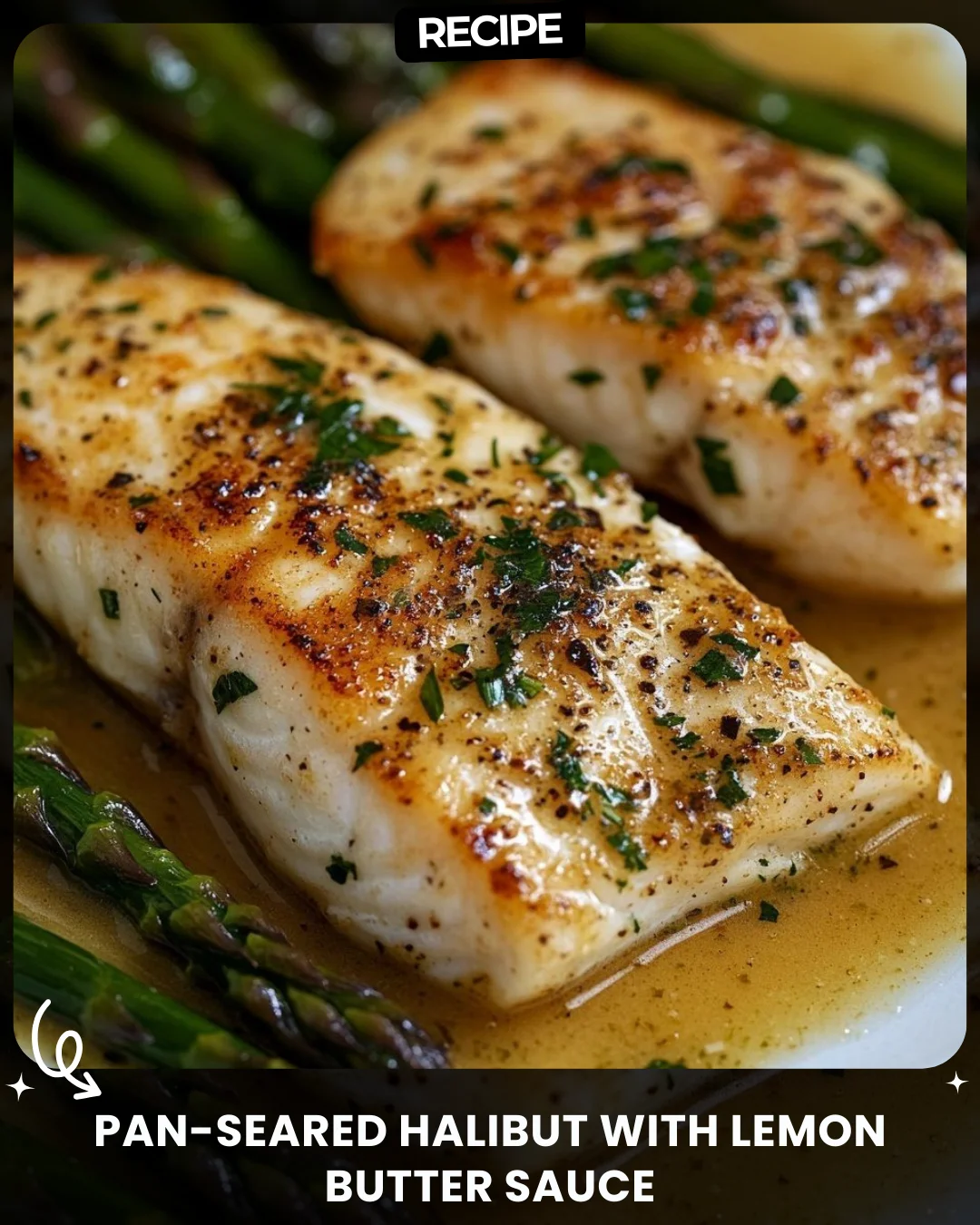
Pan-Seared Halibut with Lemon Butter Sauce
Ingredients:
For the Halibut:
2 halibut fillets (about 200g each)
2 tablespoons olive oil
Salt and freshly ground pepper to taste
For the Sauce:
3 tablespoons unsalted butter
2 cloves garlic, minced
1/4 cup chicken or fish broth
2 tablespoons fresh lemon juice
1 tablespoon fresh parsley, chopped
For the Side:
200g asparagus, trimmed
1 tablespoon olive oil
Salt and pepper to taste
Instructions:
1. Prepare the Halibut:
Pat the halibut fillets dry with a paper towel.
Season both sides with salt and pepper
.
2. Cook the Halibut:
Heat olive oil in a skillet over medium-high heat
.
Sear the halibut for 3-4 minutes per side, until golden brown and cooked through. Remove and set aside.
3. Cook the Asparagus:
In the same skillet, add olive oil and sauté the asparagus for 3-4 minutes until tender-crisp
. Remove and set aside.
4. Make the Sauce:
In the same skillet, melt butter and add minced garlic
.
Stir for 1 minute, then add chicken or fish broth and lemon juice
.
Simmer for 2-3 minutes until slightly reduced, then stir in parsley
.
5. Serve:
Plate the halibut alongside the asparagus. Drizzle the lemon butter sauce over the halibut and garnish with extra parsley
.
Step-by-Step Guide
To achieve a perfect pan-seared halibut, follow these detailed steps. First, ensure your fillets are at room temperature for even cooking. Pat them extremely dry; this is crucial for a golden crust. Heat your skillet over medium-high heat until the oil shimmers. Carefully place the fillets in the pan, pressing down gently for full contact. Do not move them for the full 3-4 minutes to allow the crust to form. Flip only once. The fish is done when it flakes easily with a fork and reaches an internal temperature of 130-135°F (54-57°C). For the sauce, after removing the fish, let the pan cool slightly to prevent the butter from burning immediately. Gently cook the garlic until fragrant but not brown to avoid bitterness. Deglaze the pan with broth, scraping up the flavorful browned bits (fond).
Serving Suggestions
Plate this elegant dish for a restaurant-quality presentation at home. Serve the halibut and asparagus on warm plates to keep the meal hot. Drizzle the lemon butter sauce generously over the fish, allowing some to pool on the plate. For a complete meal, pair with creamy mashed potatoes, lemon-herb quinoa, or a simple arugula salad. A crisp Sauvignon Blanc or Pinot Grigio complements the citrus notes beautifully. Garnish with additional fresh parsley and a thin lemon slice for a vibrant finish.
How-to Summary
This dish is built on a simple sequence: sear, sauté, and sauce. Dry and season the halibut, then sear in a hot skillet until golden. Remove the fish, quickly sauté asparagus in the same pan, then set aside. In the empty pan, create a quick lemon butter sauce by cooking garlic, deglazing with broth and lemon juice, and finishing with butter and parsley. Assemble by plating the fish and vegetables and drizzling with the sauce.
Frequently Asked Questions
Can I use frozen halibut? Yes, but thaw it completely in the refrigerator overnight. Pat it extra dry to remove all moisture from the thawing process.
What can I substitute for halibut? Other firm, white fish like cod, sea bass, or mahi-mahi work well. Adjust cooking time slightly based on thickness.
My sauce broke or looks greasy. What happened? The sauce may have gotten too hot, causing the butter to separate. Ensure the pan isn't scorching hot when you add the butter, and whisk constantly as you incorporate the broth and lemon juice.
How do I know when the asparagus is done? Asparagus is perfectly tender-crisp when it is bright green and can be pierced with a fork but still offers slight resistance.
Can I make the sauce ahead of time? It's best made fresh. However, you can mince the garlic and chop the parsley in advance. Reheating can cause the butter to separate.
Common Mistakes to Avoid
- Not Drying the Fish: Moisture steams the fish instead of searing it, preventing a crispy crust.
- Overcrowding the Pan: This lowers the pan temperature, leading to steamed, rubbery fish. Cook in batches if necessary.
- Moving the Fish Too Soon: Flipping repeatedly prevents proper crust formation. Let it sear undisturbed.
- Burning the Garlic: Burnt garlic turns bitter. Cook it only until fragrant, about 30-60 seconds.
- Overcooking the Halibut: Halibut dries out quickly. Remove it just before it's fully done, as it will continue to cook from residual heat.
Conclusion
Pan-Seared Halibut with Lemon Butter Sauce is a deceptively simple dish that delivers immense flavor and elegance. By mastering a few key techniques—thoroughly drying the fish, achieving a proper sear, and building a balanced pan sauce—you can create a stunning meal perfect for both weeknights and special occasions. The bright, buttery sauce and tender-crisp asparagus elevate the mild, flaky halibut into a truly memorable dining experience. With this guide, you're equipped to avoid common pitfalls and serve a perfect restaurant-quality dish from your own kitchen.