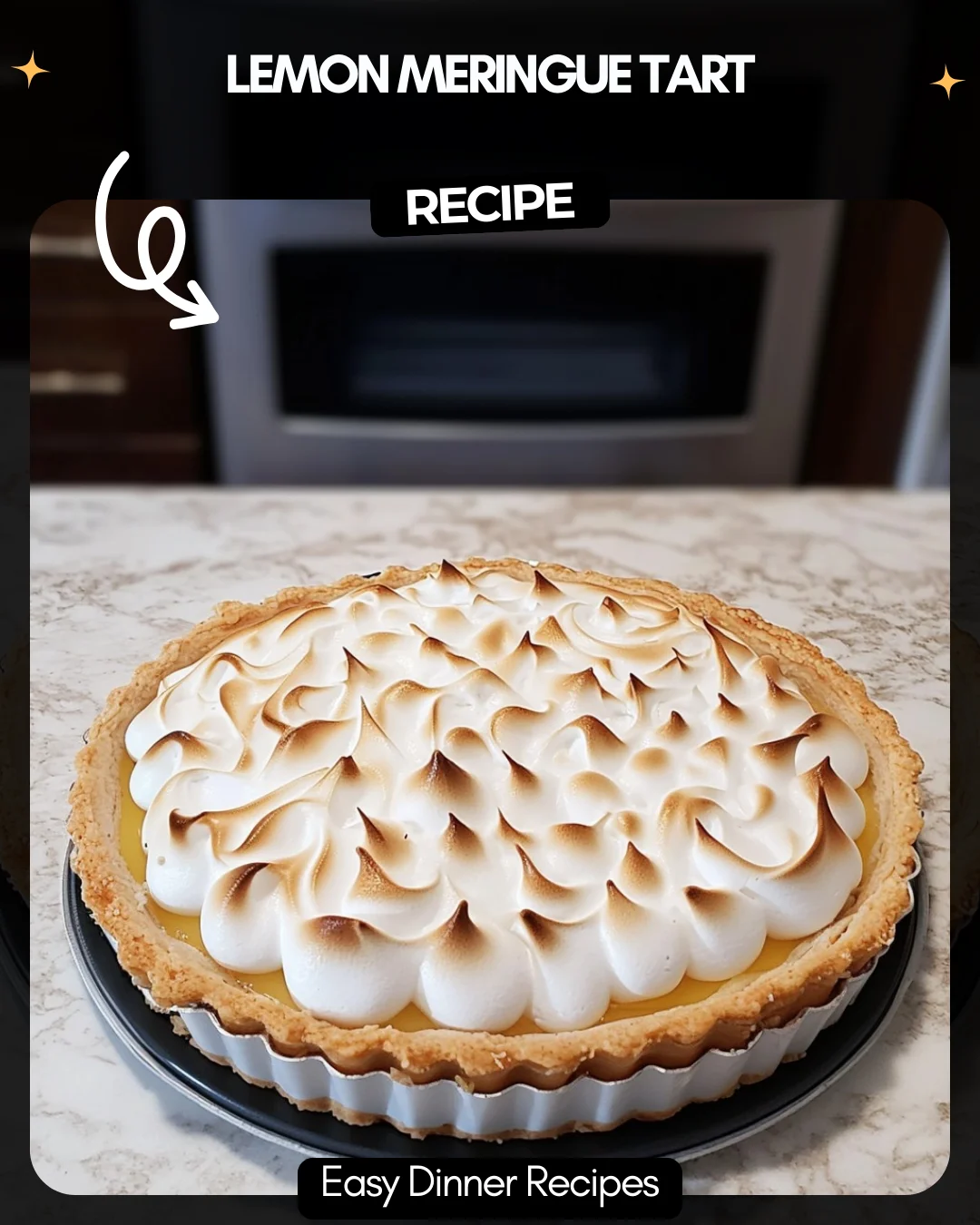
Description
Lemon Meringue Tart
This French classic, the Tarte au Citron Meringuée, is a perfect balance of tangy lemon curd, delicate pâte sucrée crust, and fluffy Italian meringue. A beloved dessert often enjoyed during celebrations, its bright flavors symbolize freshness and warmth. The pâte sucrée provides a buttery foundation, while the creamy lemon curd offers a vibrant contrast. The Italian meringue, lightly browned, adds a sweet finish. This tart is a labor of love, each element combining to create an unforgettable experience of flavors and textures.
113g unsalted butter (room temp)
70g powdered sugar
25g egg
135g all-purpose flour
30g cake flour
1/4 tsp kosher salt
150g sugar
2 large eggs + 4 yolks
120ml lemon juice
56g butter
3 egg whites
225g sugar
55g water
Directions:
1. Make pâte sucrée, bake.
2. Prepare lemon curd, fill tart.
3. Make Italian meringue, pipe on top.
Prep Time: 90 mins
Kcal: 250/slice
Step-by-Step Guide
For the Pâte Sucrée: Beat 113g room-temperature butter with 70g powdered sugar until creamy. Mix in 25g egg. Sift in 135g all-purpose flour, 30g cake flour, and 1/4 tsp salt, mixing until just combined. Form into a disc, wrap, and chill for 1 hour. Roll out, line a 9-inch tart pan, trim edges, and prick the base with a fork. Freeze for 20 minutes. Preheat oven to 350°F (175°C). Blind bake with weights for 20 minutes, remove weights, and bake for 10 more minutes until golden. Cool completely.
For the Lemon Curd: Whisk 150g sugar, 2 whole eggs, and 4 yolks in a saucepan. Whisk in 120ml lemon juice. Cook over medium heat, stirring constantly, until thick enough to coat the back of a spoon (about 8-10 minutes). Remove from heat and stir in 56g butter until melted. Strain through a fine-mesh sieve for extra smoothness. Pour into the cooled tart shell and chill for at least 3 hours to set firmly.
For the Italian Meringue: Combine 225g sugar and 55g water in a saucepan. Heat over medium until it reaches 240°F (115°C) on a candy thermometer. As syrup heats, begin whipping 3 egg whites to soft peaks. Once syrup is at temperature, slowly pour it in a thin stream into the whipping egg whites. Continue to whip on high speed until the meringue is glossy, stiff, and cooled to room temperature (about 5-7 minutes).
Serving Suggestions
Serve the tart chilled, allowing it to sit at room temperature for 15 minutes before slicing for the best texture. Garnish with thin lemon twists, edible flowers, or a dusting of lemon zest. A dollop of lightly sweetened whipped cream or a few fresh berries on the side complement the tartness beautifully. For a dramatic presentation, use a kitchen torch to create extra toasted peaks on the meringue just before serving.
How-to Summary
Create a buttery, sweet pastry crust (pâte sucrée), blind bake, and cool. Prepare a tangy lemon curd by cooking eggs, sugar, and lemon juice until thickened, then strain and chill in the shell. Top with a stable Italian meringue made by pouring hot sugar syrup into whipped egg whites, then pipe and toast.
Frequently Asked Questions
Can I make components ahead of time? Yes. The baked tart shell can be stored airtight for 2 days. The filled, un-meringued tart can be refrigerated for 1 day. Prepare the meringue and torch just before serving.
What if I don’t have a kitchen torch? You can brown the meringue under a broiler for 60-90 seconds. Watch it closely to prevent burning.
Why is my lemon curd runny? It was likely not cooked long enough. It must thicken visibly on the stove; it will set further in the fridge. Ensure it reaches 170°F (77°C).
Can I use regular granulated sugar for the crust? Powdered sugar is essential for the pâte sucrée’s delicate, sandy texture. Granulated sugar will make it crisp and cookie-like.
Why Italian meringue? Italian meringue is cooked by the hot syrup, making it stable, safe to eat, and less prone to weeping on the tart compared to Swiss or French meringue.
Common Mistakes to Avoid
- Not chilling the pastry dough sufficiently, causing shrinkage during baking.
- Overworking the pâte sucrée dough, which develops gluten and makes it tough.
- Adding the hot sugar syrup to the egg whites too quickly, which can deflate the meringue.
- Adding the meringue to a warm or room-temperature curd, which can cause it to slide or melt.
- Under-baking the tart shell, resulting in a soggy bottom once filled.
Conclusion
Mastering the Lemon Meringue Tart is a rewarding achievement for any baker. While it requires patience and attention to technique, the result—a harmonious blend of crisp crust, vibrant curd, and cloud-like meringue—is truly spectacular. By following the detailed steps and heeding the advice on common pitfalls, you can confidently create this stunning dessert that is sure to impress at any gathering.