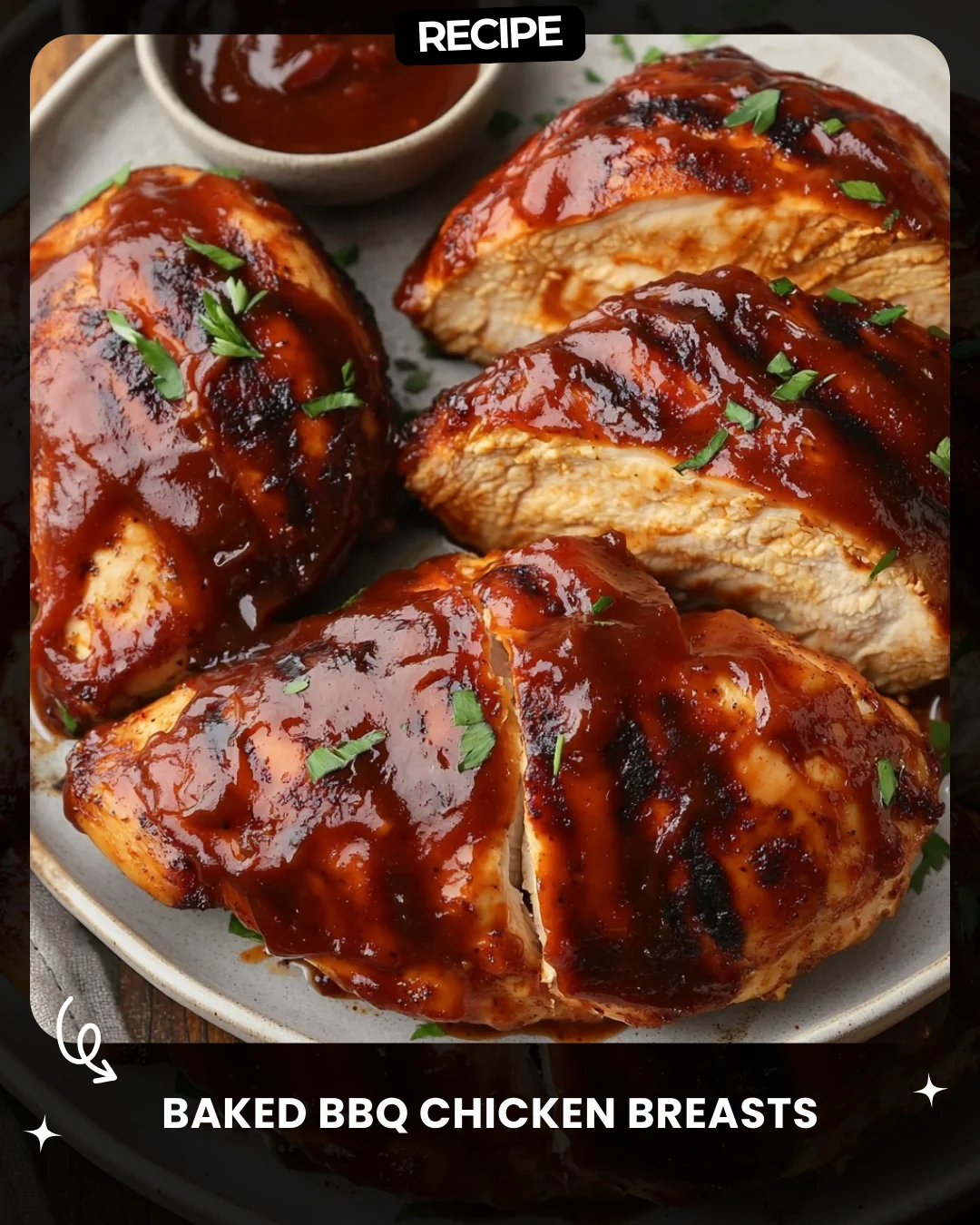
Juicy Roasted Chicken Breast Recipe
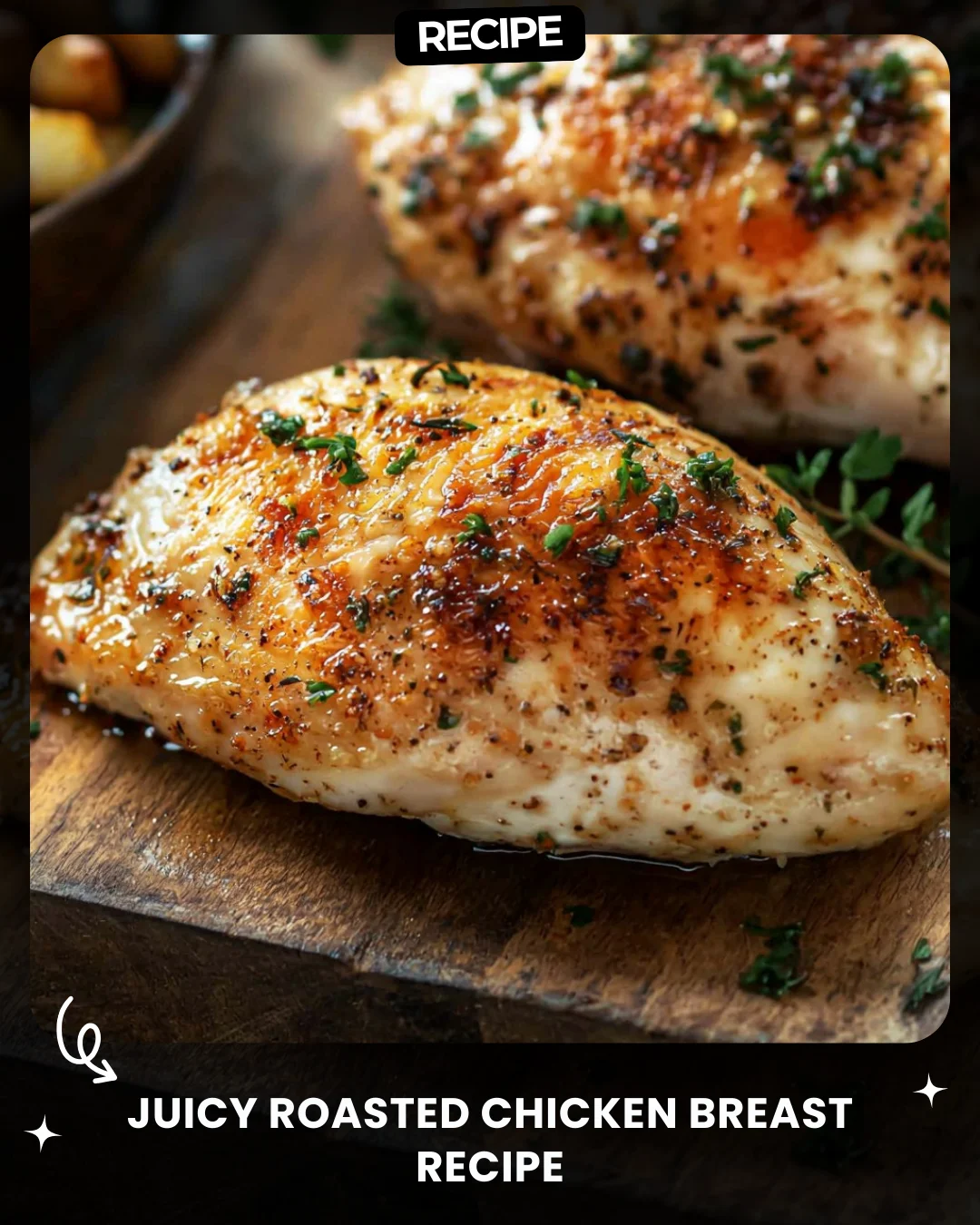
Description
Juicy Roasted Chicken Breast Recipe
Ingredients:
2 large chicken breasts (boneless, skinless)
2 tbsp olive oil
1 tsp garlic powder
1 tsp paprika
1/2 tsp dried thyme or oregano
Salt and pepper to taste
1 tbsp butter (optional, for extra juiciness)
Fresh parsley for garnish (optional)
Instructions:
Preheat the Oven:
Preheat your oven to 400°F (200°C).
Prepare the Chicken:
Pat the chicken breasts dry with paper towels.
Rub both sides with olive oil.
Season Generously:
Mix garlic powder, paprika, thyme, salt, and pepper.
Rub the seasoning mix evenly over the chicken.
Sear for Flavor (Optional):
Heat a skillet over medium-high heat and sear the chicken for 2-3 minutes per side until golden.
Roast the Chicken:
Transfer the chicken to a baking dish or keep it in the skillet (if oven-safe).
Bake for 20–25 minutes, or until the internal temperature reaches 165°F (75°C).
Rest and Serve:
Remove from the oven and let the chicken rest for 5 minutes.
Slice and garnish with fresh parsley.
Prep Time: 5 minutes
Cook Time: 25 minutes
Servings: 2
This roasted chicken breast is tender, juicy, and full of flavor—perfect for pairing with veggies, salads, or grains!
#HealthyEating #RoastedChicken #EasyDinner
Step-by-Step Guide
Follow these detailed steps for foolproof, juicy chicken every time. First, ensure your chicken breasts are of even thickness by gently pounding them with a rolling pin or the bottom of a pan. This prevents uneven cooking. After patting them dry, the oil and seasoning rub is crucial for flavor and browning. Do not skip the optional sear in a hot, oven-safe skillet; it creates a delicious crust through the Maillard reaction. When roasting, use a digital meat thermometer to check for doneness. Insert it into the thickest part of the breast. The moment it reads 162°F, remove the chicken from the oven. The residual heat will carry it to the safe temperature of 165°F as it rests, preventing overcooking.
Serving Suggestions
This versatile chicken breast is the perfect protein centerpiece. For a classic dinner, serve it alongside roasted vegetables like asparagus, broccoli, or sweet potatoes and a portion of fluffy quinoa or rice. Thinly slice it to top a fresh garden salad or stuff into whole-wheat pitas with tzatziki. You can also chop it for use in hearty soups, creamy pastas, or nutritious grain bowls. Drizzle any accumulated pan juices over the sliced chicken for an extra boost of flavor.
How-to Summary
To summarize: pound chicken for even thickness, pat dry, coat with oil and spices, optionally sear to create a crust, then roast at 400°F until the internal temperature reaches 162-165°F. Always let it rest for 5 minutes before slicing to retain its juices.
Frequently Asked Questions
1. How can I prevent my chicken breasts from drying out?
The key is not to overcook. Using a meat thermometer and removing the chicken at 162°F is essential. Letting it rest allows the juices to redistribute. The optional butter added before roasting also boosts moisture.
2. Can I use chicken with skin on?
Absolutely. For skin-on breasts, sear them skin-side down in the skillet first to render the fat and crisp the skin, then flip and transfer to the oven to finish cooking.
3. How should I store and reheat leftovers?
Store sliced chicken in an airtight container in the fridge for up to 4 days. Reheat gently in a covered skillet with a splash of water or broth, or in the microwave at reduced power to prevent toughness.
4. What can I substitute for paprika?
Smoked paprika will add a deeper, smoky flavor. Alternatively, use chili powder, cumin, or simply increase the garlic powder and black pepper.
5. Can I prepare this recipe ahead of time?
Yes, you can season the chicken breasts and store them covered in the refrigerator for up to 24 hours before cooking. This allows the flavors to penetrate more deeply.
Common Mistakes to Avoid
- Skipping the Pat-Dry: Moisture on the surface steams the chicken instead of allowing it to brown properly.
- Overcrowding the Pan: Whether searing or roasting, give the chicken space. Overcrowding creates steam and leads to soggy, pale chicken.
- Slicing Immediately: Cutting into the chicken right out of the oven releases all the precious juices onto the cutting board, leaving the meat dry.
- Guessing Doneness: Relying solely on time or color is unreliable. A meat thermometer is the only sure way to achieve perfect doneness.
Conclusion
Mastering a simple roasted chicken breast is a fundamental kitchen skill that pays dividends in healthy, quick meals. This recipe, with its focus on proper technique—drying, seasoning, monitoring temperature, and resting—guarantees a flavorful and succulent result every time. Its incredible versatility makes it an ideal staple for weekly meal prep or an impressive, simple dinner. Once you have this basic method down, feel free to experiment with different herb and spice blends to create endless variations.