
Indian Cabbage Recipe (Oven Roasted)
Description
Indian Cabbage Recipe (Oven Roasted)
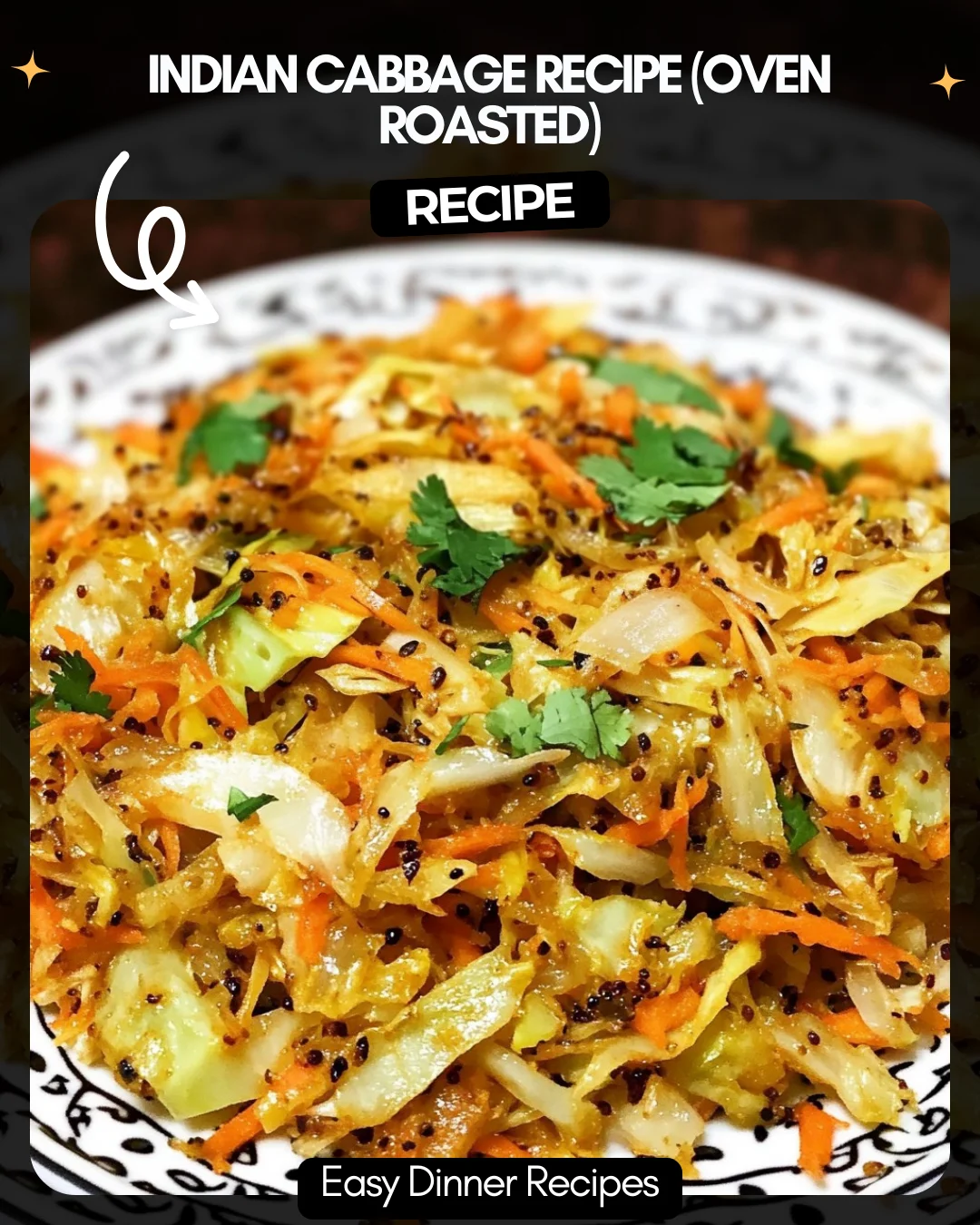
This Indian cabbage recipe is a simple, yet flavorful vegan side dish that captures the essence of traditional South Indian cuisine. Oven roasting the shredded cabbage provides a delightful twist on the classic cabbage poriyal. It’s quick to prepare and pairs wonderfully with rice and dal for a complete meal. You can easily make a large batch, making it perfect for family dinners or as a side for your Indian-themed gatherings.
3 tbsp peanut oil or sesame oil
1 inch ginger, grated (2 tsp)
1 tbsp chopped green chilies
1 tsp cumin seeds
½ tsp turmeric
½ tsp red pepper flakes or ¼ tsp cayenne pepper
Salt to taste
4 cups shredded cabbage
1 cup shredded carrots
8-10 curry leaves
¼ cup fresh grated coconut
2 tbsp chopped cilantro
Lemon juice as per taste
(Optional) ½ tsp mustard seeds, ¼ cup chopped shallots, 4 tbsp crushed peanuts
Directions:
1. Preheat oven to 400°F (200°C).
2. Mix oil, ginger, green chilies, cumin seeds, turmeric, pepper flakes, and salt in a bowl.
3. Add shredded cabbage, carrots, curry leaves, and toss to coat. Spread on a lined baking sheet.
4. Roast for 20-25 mins until tender, stirring halfway. Garnish with coconut, cilantro, lemon juice, and peanuts. Serve hot.
Prep Time: 10 mins
Kcal: 146
Step-by-Step Guide
Follow these detailed instructions for perfect roasted cabbage every time. First, preheat your oven to 400°F (200°C) and line a large, rimmed baking sheet with parchment paper for easy cleanup. In a large mixing bowl, whisk together the 3 tablespoons of oil, grated ginger, chopped green chilies, cumin seeds, turmeric, red pepper flakes, and salt until a loose paste forms. Add the 4 cups of shredded cabbage, 1 cup of shredded carrots, and the curry leaves to the bowl. Use your hands or tongs to toss everything thoroughly, ensuring every strand is lightly coated with the spiced oil mixture. Spread the vegetables in a single, even layer on your prepared baking sheet. Roast for 20-25 minutes, but crucially, remove the tray at the 12-minute mark to stir and flip the vegetables. This ensures even cooking and prevents burning. The dish is done when the cabbage is tender with slightly crispy, caramelized edges.
Serving Suggestions
This versatile dish shines in multiple settings. For a classic South Indian meal, serve it hot alongside steamed rice, a bowl of dal (lentil soup), and a dollop of yogurt. It makes an excellent filling for wraps or rotis—just add a spoonful of chutney. For a modern twist, top a grain bowl with it, or use it as a vibrant, flavorful bed for grilled tofu or fish. The leftovers are delicious cold, making it a great addition to next-day salads.
How-to Summary
In brief: Preheat oven to 400°F. Mix oil and spices in a bowl. Toss shredded cabbage and carrots in the spiced oil until fully coated. Spread on a lined baking sheet and roast for 20-25 minutes, stirring halfway through. Finish by garnishing with fresh grated coconut, chopped cilantro, a squeeze of lemon juice, and optional crushed peanuts.
Frequently Asked Questions
Can I make this recipe on the stovetop? Yes. Follow the same steps but cook in a large skillet or wok over medium-high heat, stirring frequently, for 10-12 minutes until tender.
How do I store and reheat leftovers? Store in an airtight container in the refrigerator for up to 3 days. Reheat gently in a skillet or microwave, adding a tiny splash of water if it seems dry.
What can I use instead of fresh curry leaves? While their unique flavor is irreplaceable, you can omit them or add a pinch of dried curry leaves or a bay leaf during cooking (remove before serving).
Is there a substitute for fresh coconut? Unsweetened desiccated coconut (rehydrated in a little warm water) works well. For a different profile, try toasted sesame seeds.
Can I add other vegetables? Absolutely. Thinly sliced bell peppers, green beans, or peas would be excellent additions. Adjust roasting time slightly if needed.
Common Mistakes to Avoid
Avoid overcrowding the baking sheet, as this steams the vegetables instead of roasting them, leading to a soggy result. Do not skip stirring halfway through roasting; this is key for even caramelization. Be cautious with salt initially, as the vegetables will shrink during cooking, concentrating the flavor—you can always add more at the end. Finally, do not omit the acid (lemon juice); it is crucial for balancing the earthy spices and brightening the entire dish.
Conclusion
This oven-roasted Indian cabbage recipe is a testament to how simple ingredients can be transformed into something extraordinary. It’s a healthy, vegan-friendly side dish that delivers robust flavor with minimal effort. By following this guide and avoiding common pitfalls, you can consistently create a delicious and authentic-tasting poriyal that will become a staple in your culinary repertoire. Give it a try and enjoy the wonderful fusion of ease and tradition.