






























Cooking and Serving: 40 minutes | 16 rolls
Ingredients
How to make soft gluten free dinner rolls | Expert tips for perfect rolls | Easy ingredient swaps
Description
Prep Time: 20 minutes | Cook Time: 20 minutes | Total Time: 40 minutes | Servings: 16 rolls
Ingredients
How to make soft gluten free dinner rolls
Expert tips for perfect rolls
Easy ingredient swaps
Storing & freezing the rolls
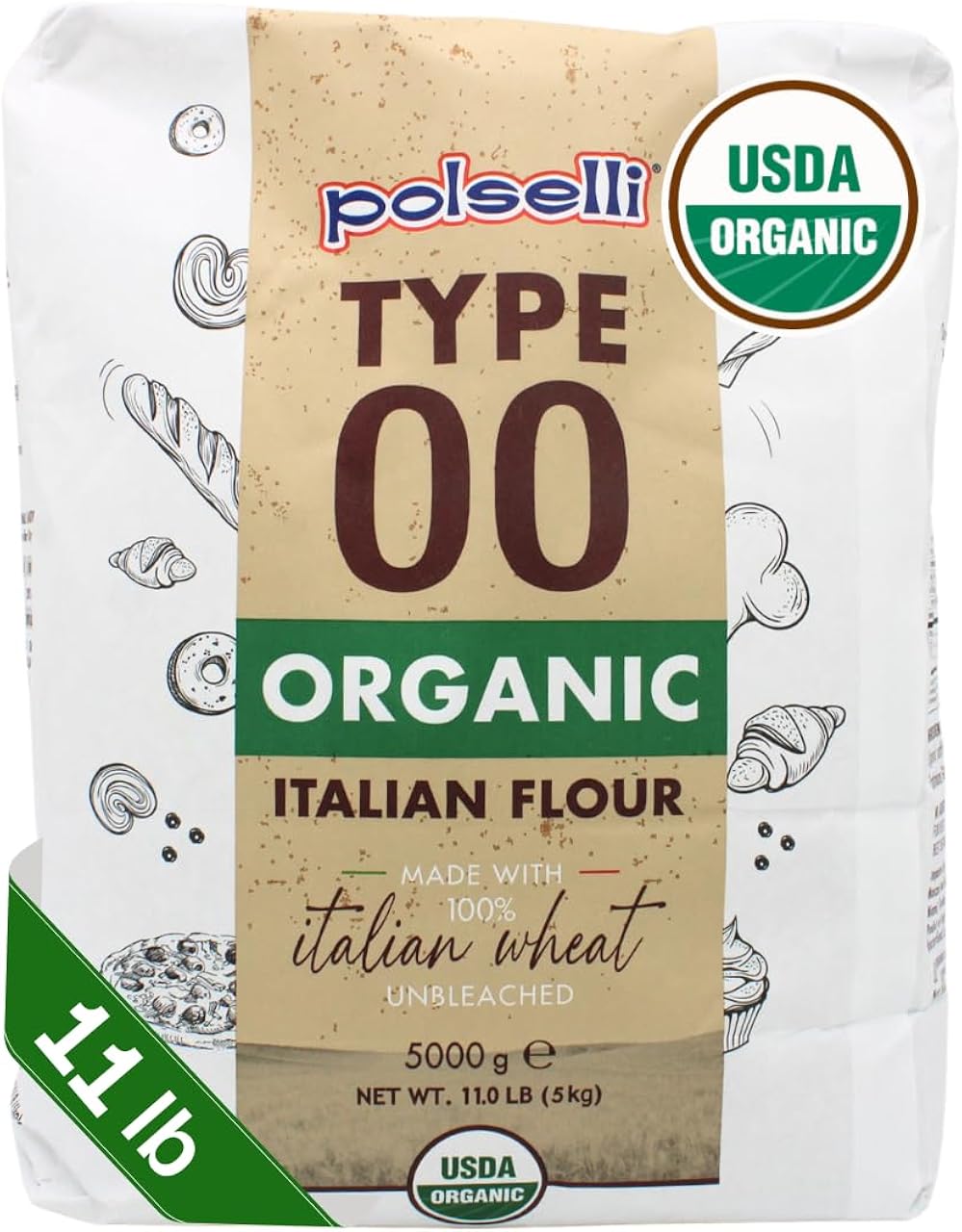
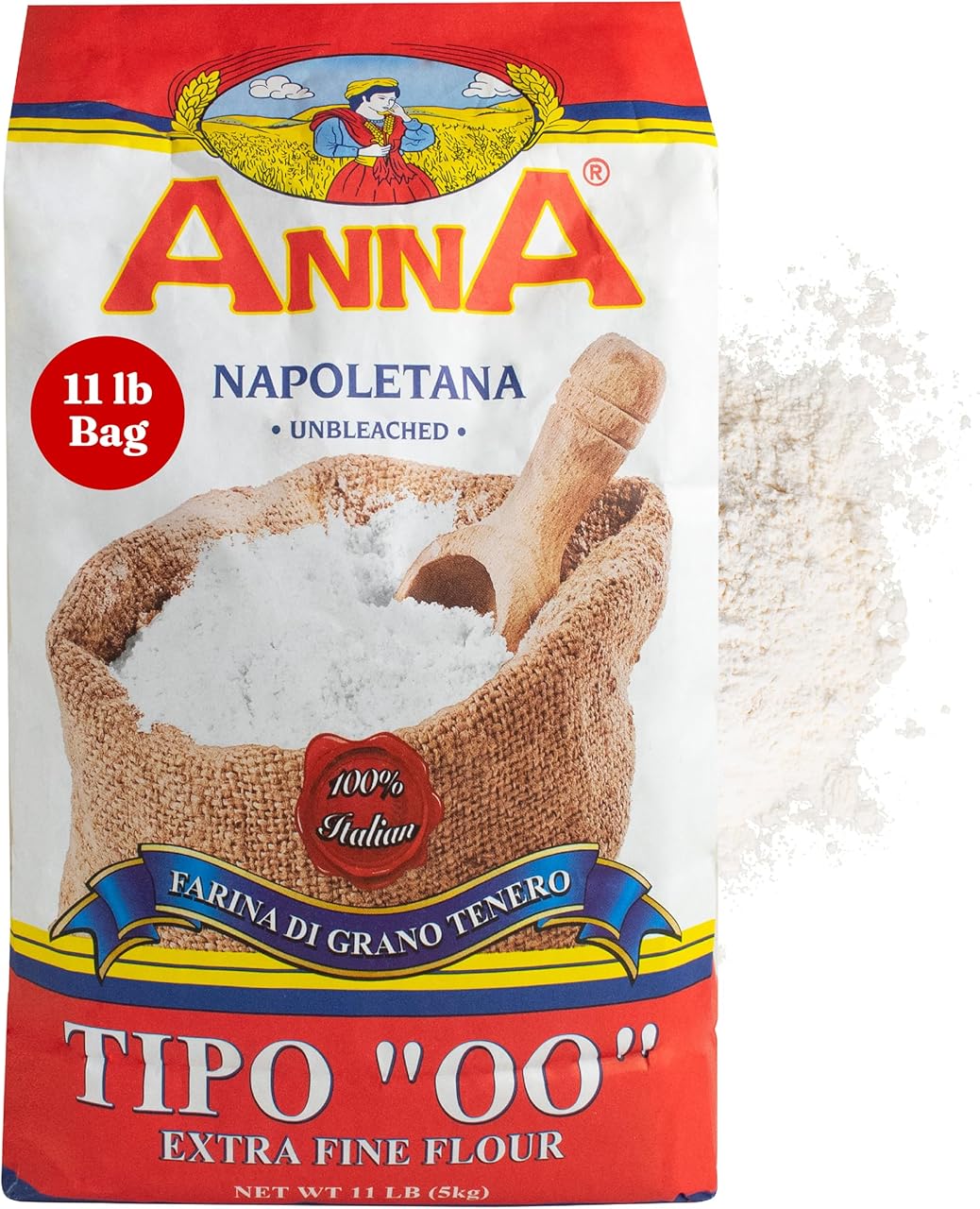
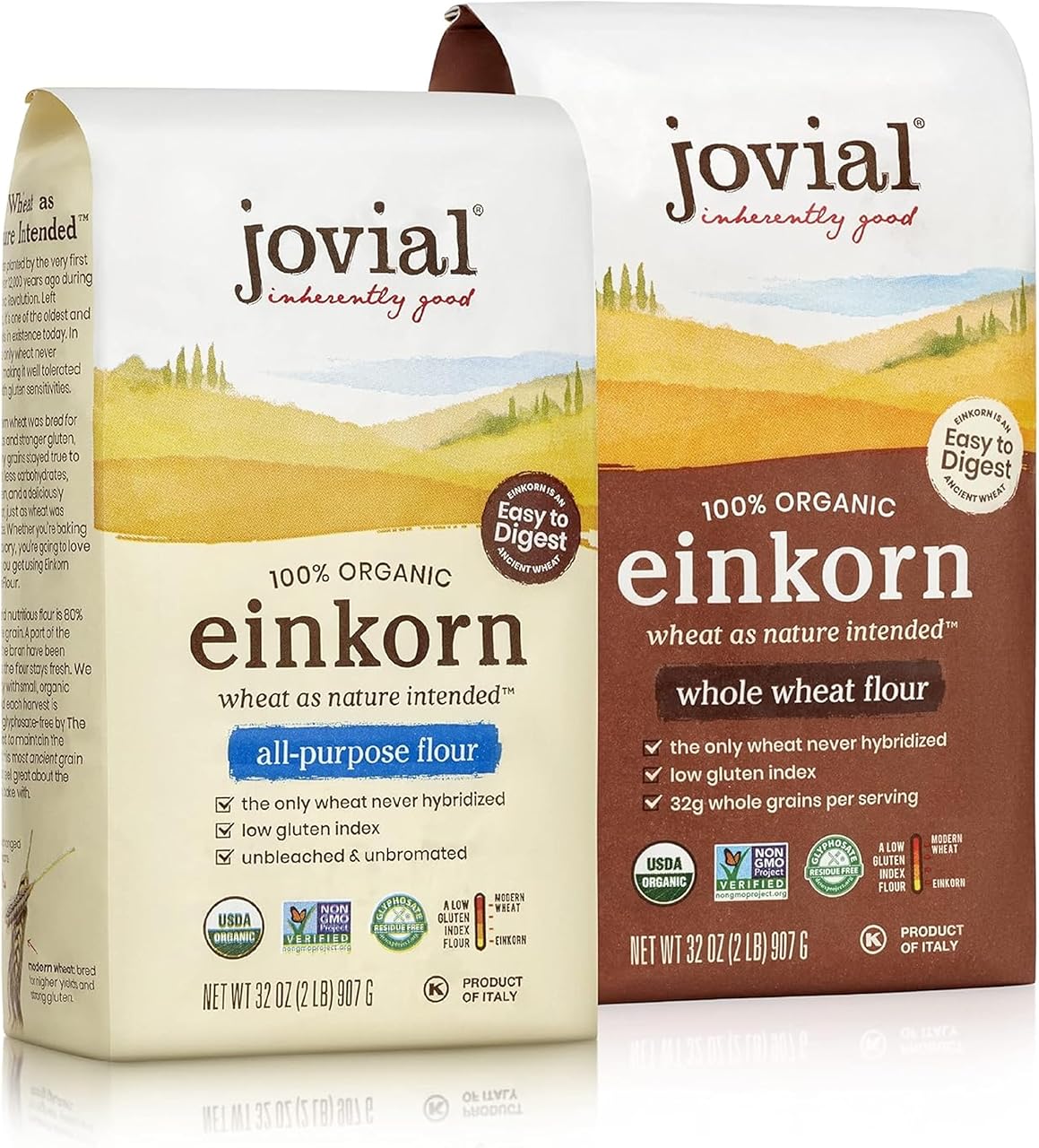
Gluten free flour – Use a high-quality all purpose gluten free flour blend
Tapioca starch – Even though your blend almost certainly already includes
Instant yeast – Gives the rolls their rise. Also called rapid-rise or
Sugar – Feeds the yeast and adds a subtle sweetness.
Milk – Warm milk activates the yeast, moistens the dough, and adds richness.
Butter – Adds moisture and flavor, keeping the rolls soft and tender.
Egg whites – Provide structure, help bind the dough together, and help the
Instructions
FAQS
Why didn't my rolls rise?
If your rolls didn’t rise, it’s usually a problem with the yeast, hydration,.
temperature, or timing. Here are the most common causes:.
Expired yeast – Test it in 10 minutes, it’s no longer active. Store opened jars of yeast in the.
Too much flour/too little moisture – Overmeasuring flour or starch can reduce.
hydration and stall rising. The same can happen if the dough rises improperly.
covered, and loses moisture.
Temperature issues – Milk that’s too hot can kill yeast.
Timing – You simply didn't let them rise long enough. Yeast will reproduce in.
cooler environments, but will just take longer. Overproofing happens when dough.
rises too much, not for too long.
My gluten free flour blend already has tapioca starch. Can I leave out the.
No—you still need the additional tapioca starch listed in the recipe. All gluten.
free blends include some tapioca, but this recipe relies on a larger amount to.
give the dough its flexibility and the rolls their soft, stretchy texture.
Can I shape the rolls and let them rise in the refrigerator overnight?
No—this dough won’t hold its shape that long after shaping. It’s best to.
refrigerate the dough before shaping, then bring it to room temperature and.
shape right before the second rise.
Can I freeze the raw dough?
Not recommended—it's best to bake and freeze the rolls, or use the parbake.
Can I make these in a muffin tin?
Yes, but they won’t have the same pull-apart quality. Bake time may be slightly.
Can I halve the recipe?
Yes—just cut all ingredients in half. I do this all the time! Rise and bake.
GLUTEN FREE DINNER ROLLS RECIPE
Prep Time: 20 minutes mins.
Cook Time: 20 minutes mins.
Resting & rising time: 3 hours hrs.
Total Time: 3 hours hrs 40 minutes mins.
These soft, golden gluten free dinner rolls are easy to make and always a hit.
Perfect for holiday meals—or just a warm roll with weeknight dinner.
INGREDIENTS
3 ¼ cups (455 g) all purpose gluten free flour blend.
INGREDIENTS
3 ¼ cups (455 g) all purpose gluten free flour blend.
Notes
* 3 ¼ teaspoons xanthan gum, omit if your blend already contains it
* ⅞ cup (105 g) tapioca starch/flour
* ¼ cup (50 g) granulated sugar
* 1 teaspoon kosher salt
* 1 ⅝ cup (13 fluid ounces) warm milk (about 90°F)
* 8 tablespoons (112 g) unsalted butter, melted and cooled (plus more for
* 2 (50 g) egg whites, at room temperature
gum, tapioca starch/flour, instant yeast, and granulated sugar, and whisk to
combine well. Add the salt, and whisk again to combine.
* Add the milk, melted butter, and egg whites. Using the paddle attachment,
beat vigorously. The mixture will come together in a clump and clear the
sides of the bowl. Keep beating until it begins to look whipped, and sticks
to the side of the mixing bowl again (about 6 minutes total).
* Transfer the mixture to a lightly oiled bucket or bowl with a very
tight-fitting lid. The container should be large enough for the dough to
nearly double (although it won’t double fully).
* Refrigerate the dough for at least 30 minutes and up to 3 days in the
refrigerator. Do not let the dough rest/rise for too long, or your rolls will
rise much more irregularly after shaping.
* If your dough has been refrigerated for more than 1 hour, allow it to sit at
room temperature until no longer very cold to the touch before working with
* Grease a quarter sheet pan or 2 8-inch round cake pans for baking, and set
them aside. You will later decide if you’d like to crowd the rolls, and have
them rise then bake touching, or have them separate.
* Flour a clean, dry work surface very lightly with tapioca starch. Divide the
dough in half, then each half into 8 equal portions, for 16 pieces, each
about 2 1/2 ounces in weight.
* Working with one piece of dough at a time, cup your fingers around the dough,
keep the side of your palm on the surface, and move your hand in tight
circles to coax the dough into a round.
* Place the shaped rounds of dough in your chosen baking pan(s) either touching
(they will rise mostly up), or a bit more than 1-inch apart, taking care not
to crowd them (the will rise up and out).
* Cover the pan(s) with lightly greased plastic wrap, place in a warm,
draft-free location, and allow to rise until about 150% of their original
size (they won't quite double).
* This rise can take anywhere from 45 minutes to hours, depending upon the
ambient temperature in your kitchen. Overproofing is not very likely, and can
be detected when the surface of the rolls begins to look pockmarked.
* When the rolls are nearing the end of their rise, preheat your oven to 375°F.
Once the rolls are properly risen, remove the plastic wrap from the pan(s),
and brush generously on all exposed sides with melted butter.
* Bake until an instant read thermometer inserted into the center of each roll
* If there is any space between the rolls after they’ve risen, they will take
around 20 minutes until fully baked.
* If the rolls are touching one another, lower the oven temperature to about
350°F at 18 minutes and continue to bake for about another 5 minutes or until
the center reaches 190°F.
* Remove the pan from the oven, and with the rolls still in the hot pan, brush
again with melted butter and serve warm.
I recommend Better Batter’s original blend or my Nicole’s Best multipurpose
blend (with 3 teaspoons added xanthan gum). King Arthur's gluten free bread
flour can work but makes denser rolls, so consider adding 2 tablespoons more
milk. Avoid Cup4Cup and Measure for Measure here—they won't produce the right
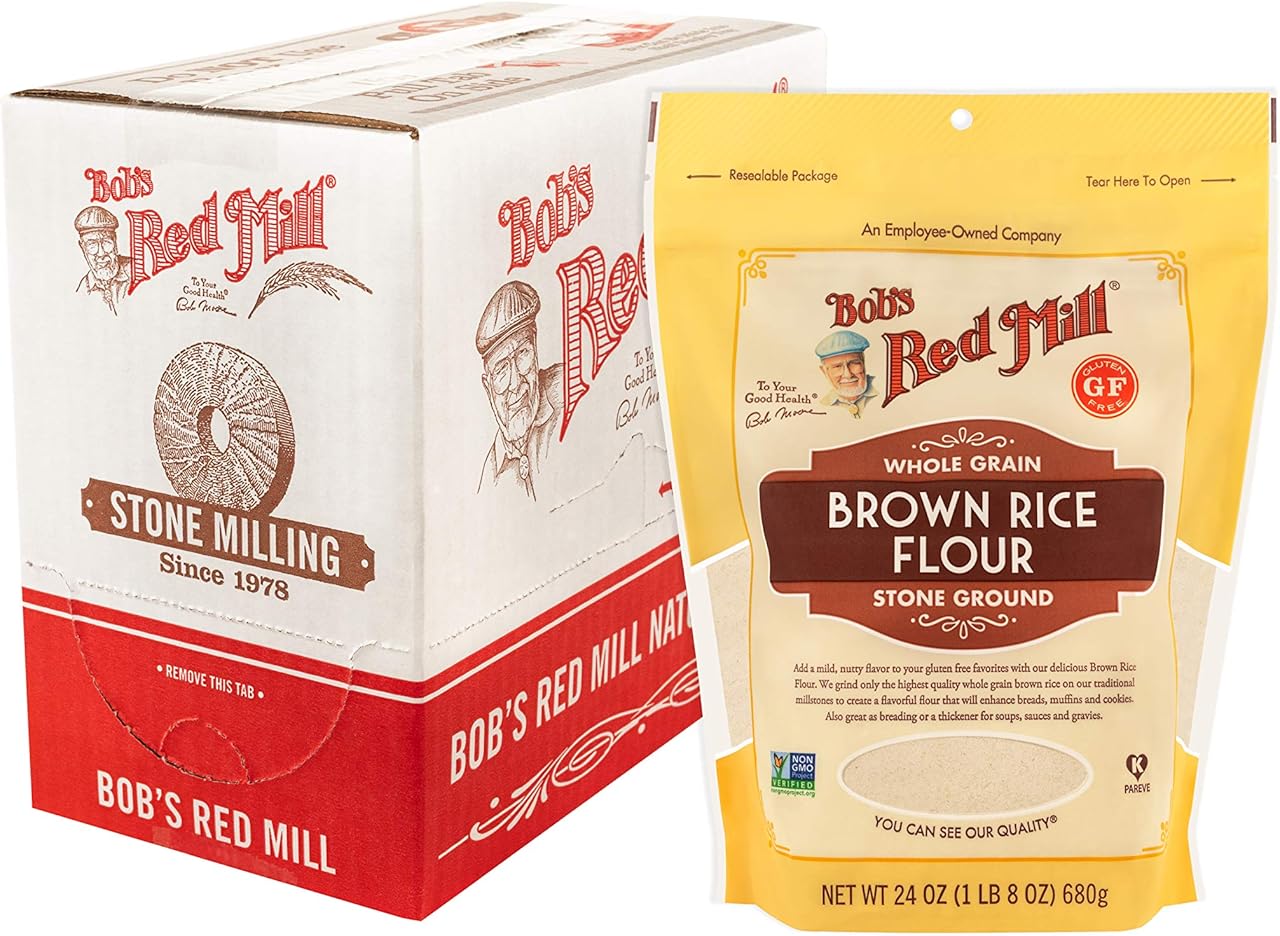
Bob’s Red Mill 1-to-1 isn't ideal, but in a pinch, it may work if you add at
least 1½ teaspoons extra xanthan gum. You'll have to watch the dough in your
mixer and add more xanthan gum very slowly if it doesn't appear to be thick
enough as compared to my photos and video.
To make your own blend using one of my “mock” recipes, please see the all
purpose gluten free flour blends
Using active dry yeast:
You can swap instant yeast for active dry yeast—just use 15 grams instead of 12
and proof it in some of the warm milk before adding.
A food processor with the plastic blade works in a pinch. Don’t use a hand mixer
or mix smooth shaped roll.
Trans Fat: 0.2g | Cholesterol: 18mg | Sodium: 196mg | Potassium: 77mg | Fiber:
2g | Sugar: 4g | Vitamin A: 215IU | Vitamin C: 0.01mg | Calcium: 33mg | Iron:
Nutrition information is automatically calculated, so should only be used as an
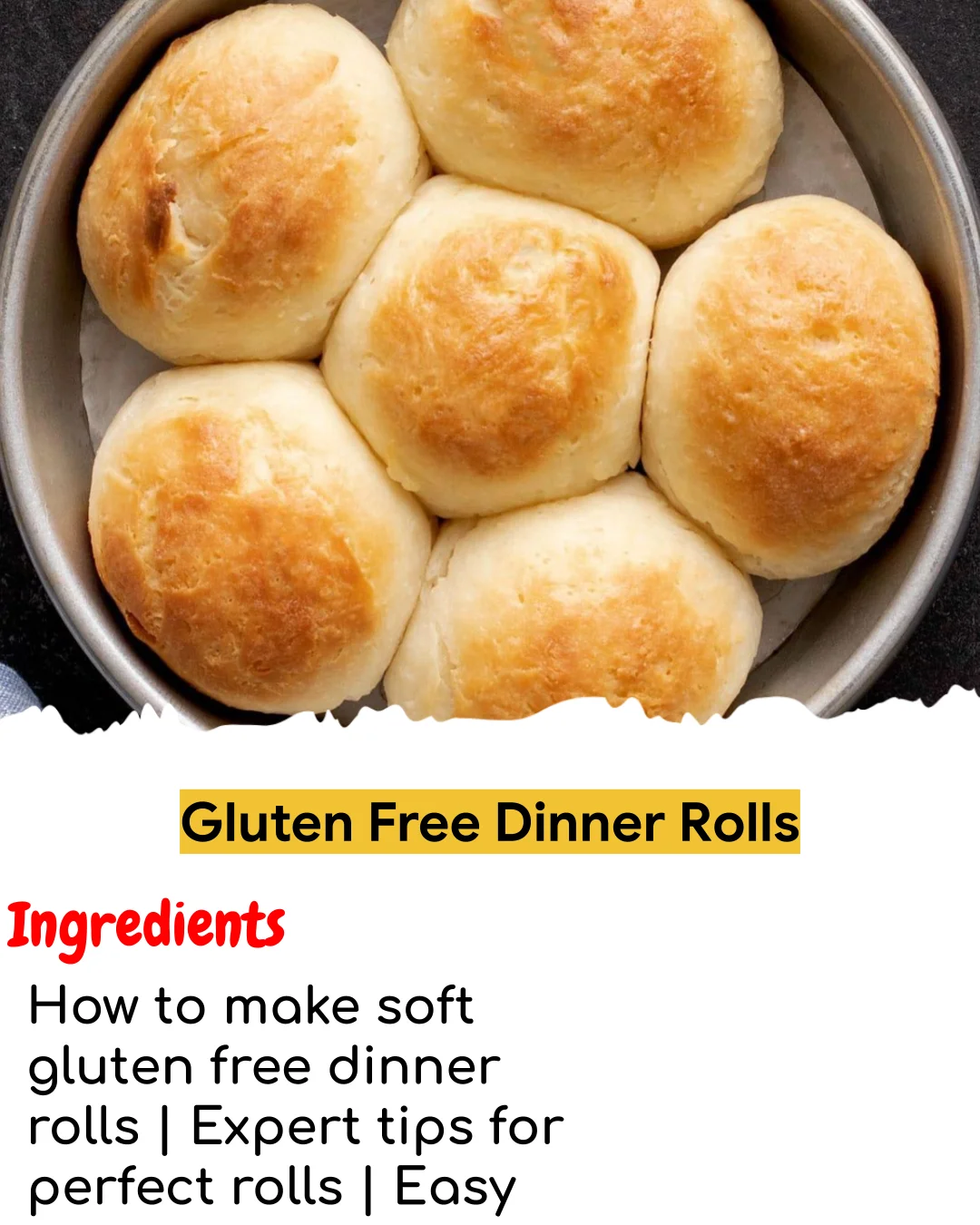
Words soft gluten free dinner rolls with overhead photo of clustered baked
dinner rolls and a superimposed image of fingers squeezing a dinner roll
soft gluten free dinner rolls with overhead photo of clustered baked dinner
rolls and a superimposed image of fingers squeezing a dinner roll