Gluten Free Baking: A Beginner’s Guide (Meal Prep Friendly)



























Cooking and Serving: Not specified
Ingredients
How to bake gluten free — gluten free baking tips | Storing gluten free baked goods | FAQs — gluten-free baking troubleshooting
Description
Ingredients
How to bake gluten free — gluten free baking tips
Storing gluten free baked goods
FAQs — gluten-free baking troubleshooting
Easy gluten free baking recipes — perfect for beginners!
Instructions
GUAR GUM
Guar gum is also a binder and thickener, like xanthan gum, which is often used.
in gluten free baking. It’s made from a seed.
Unlike xanthan gum, which is most effective in heated applications, guar gum is.
best in cold applications, like smoothies. It’s a common ingredient in packaged.
products, too, for that reason.
Guar gum is often seen as a 1 for 1 replacement for xanthan gum, but I never.
bake with it since it’s just not as effective as xanthan gum in binding heated.
EXPANDEX MODIFIED TAPIOCA STARCH
Expandex is a brand of modified tapioca starch that I find particularly useful.
in gluten free bread baking. Expandex is a chemically modified starch, not.
genetically modified.
For a full explanation of how and where I recommend using Expandex, please read.
about our gluten free bread flour blend.
strong binder, and isn’t appropriate for most gluten free baking applications.
Can I use Expandex and tapioca flour the same way?
No, Expandex and regular tapioca flour are not the same at all, and they behave.
very differently in baking. Each recipe is formulated to use one or the other,.
so always follow the recipe to get the intended results.
KONJAC POWDER/GLUCOMANNAN POWDER.
Konjac powder (also called glucomannan) is a powder derived from a starchy herb,.
and it has binding properties that are similar to xanthan gum and guar gum. I’ve.
done some experimenting with it, and invite you to learn more about it and try.
baking with it in our gluten free biscuit recipe without xanthan gum.
words a new gluten free flour blend on top of 4 bowls with different flours.
added and a half teaspoon of powder.
a new gluten free flour blend on top of 4 bowls with different flours added and.
a half teaspoon of powder.
A
new gluten free flour blend without xanthan gum.
GLUTEN FREE FLOUR FOR BAKING
There are many gluten free grains and other gluten free ingredients that can be.
ground into flour and used as gluten free flour for baking. No single gluten.
free flour can be used as an “all purpose gluten free flour,” in every recipe.
But it can be interesting to learn about the gf flours that you may use so you.
can understand how they work together to make some of your favorite foods.
RICE FLOUR
is as important to gluten free baking as wheat is to conventional baking. Most.
gluten free baked goods are made using a gf flour blend with rice.
quality of the rice flour in the blend tends to make or break the recipe.
If your rice flour is not superfinely ground, it will add a very unpleasant,.
gritty taste to your baked goods. It will also prevent the flour from combining.
fully with the other ingredients in the recipe, creating all sorts of baking.
imbalances and problems.
Rice flour is sometimes white (from refined, white rice) and sometimes brown.
(from brown rice). It should all be superfinely ground. Unfortunately, there.
aren’t many sources of truly superfinely ground rice flour available (Authentic.
Foods is the only brand I really trust), and the best gluten free flour blends,.
like Better Batter’s classic gluten free flour blend, are made with superfine.
The only time you may be able to bake good gluten free recipes with a gritty.
rice flour is if you’re allowing the raw batter or dough to rest for long enough.
to soften the grains, like in making gluten free yeast bread. There are no.
The terms tapioca flour and tapioca starch are used interchangeably. A white.
flour, it consists of the starch from the cassava plant, and is grain-free.
(although very starchy).
neutral in flavor, and has wonderful, unique stretchy properties. It adds.
flexibility and chew to baked goods, and is an essential part of any all purpose.
gluten free flour blend.
GLUTEN FREE FLOUR BLENDS
These individual gluten free flours, plus a few others, together constitute my.
favorite all purpose gluten free flour blends. For a full discussion of all the.
flour blends that I use and recommend, including my own blend, please see our.
all purpose gluten free flour blends.
Keep in mind that not every gluten free flour is an all purpose gluten free.
flour blend. All purpose flour blends, whether conventional or gluten free, are.
good for all purposes, which means they’re better for some than for others, but.
There are always specialty flour blends for more specific baking and cooking.
Gluten free pastry flour.
milk powder and more starch for a light richness.
Gluten free bread flour.
Expandex and the protein powerhouse of whey protein isolate in addition to a.
strong all purpose gluten free flour blend.
Gum-free gluten free flour blend.
which is the lightest, most basic blend of superfine white rice flour, potato.
starch, and tapioca starch (and no xanthan gum).
ALMOND FLOUR
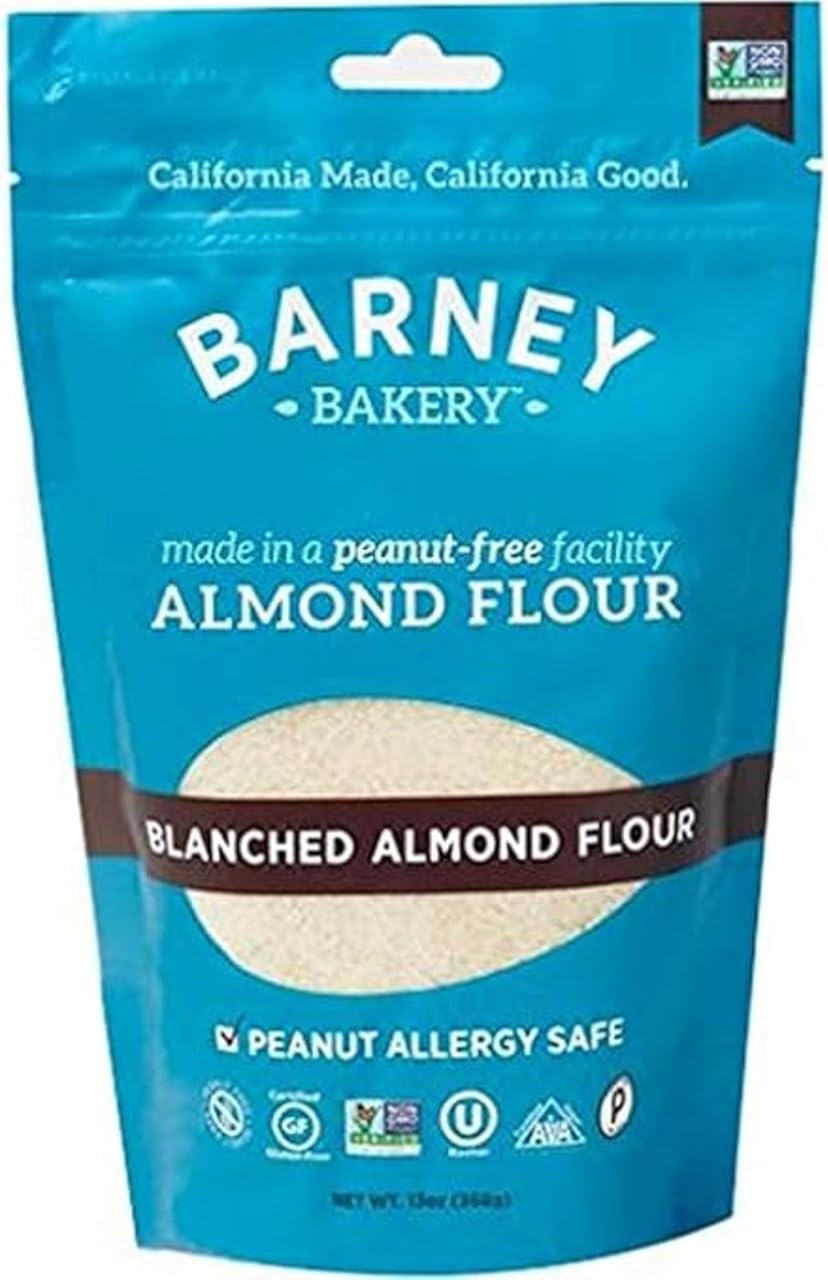
Blanched, superfinely ground almond flour, made from almonds that have had their.
skins removed, is really useful in in Paleo baking.
. Almond flour is much.
more useful in baking than almond meal, which is made from almonds with their.
skins intact and isn’t finely ground.
Almond flour is high in fat, and isn’t an all purpose gluten free flour and.
can’t be used successfully in recipes that call for such a blend. But it is very.
useful in gluten free baking in its own right, especially when combined with.
oil-absorbing, stretchy tapioca starch, like in our almond flour peanut butter.
Can I use almond flour as an all purpose gluten free flour?
No, almond flour is not an all purpose gluten free flour, and can’t be used in.
place of one in any recipe.
COCONUT FLOUR
Perhaps the only truly unique gluten free flour, coconut flour is made from.
dried coconut flesh that has been ground into a flour. It absorbs copious.
amounts of moisture, so it will upset the balance of any recipe that isn’t.
specifically developed to be made using it.
Coconut flour recipes are often made using lots (and lots) of eggs. If you’re.
interested in baking with coconut flour, which is very low carb so tends to be.
popular on the keto diet, choose carefully and stick to well-reviewed recipes.
like our coconut flour pancakes.
use it in a recipe that doesn’t call for it!
OAT FLOUR
Oat flour is a ground version of whole grain, rolled oats. It’s useful in gluten.
free baking, and doesn’t need to be superfinely ground as it’s not hard and.
gritty even when raw.
I buy so-called gluten free old fashioned oats.
, and grind them into.
quick-cooking oats myself to save money. If you’d like to make one of my gluten.
free recipes made with oat flour, like our oat flour chocolate chip cookies.
What can I use instead of oat flour?
You can usually substitute oat flour with quinoa flakes, but see this guide to.
each substitute for oats.
A jar of homemade gluten free flour with the lid on.
jar of homemade gluten free flour with the lid on.
Better Batter | All Purpose Gluten Free Flour.
MUST-HAVE GLUTEN FREE BAKING TOOLS.
For most basic gluten free baking, all you’ll need are a mixing bowl, a spoon,.
whisk, light-colored metal muffin tin, a light-colored aluminum rimmed baking.
sheet, light-colored 8-inch cake pan, spring-loaded ice cream scoop, silicone.
spatula, measuring spoons, a large wet measuring cup, and a digital kitchen.
The digital kitchen scale is the only thing you may not be familiar with, but I.
promise it will make your clean up so much easier, and your baking successful!
COMMON SUBSTITUTES FOR GLUTEN FREE INGREDIENTS
The recipes on this blog are all reliably gluten free. I will never publish a.
recipe that isn’t gluten free on this blog. Since my recipes often contain other.
common food allergens, I suggest allergen-free alternatives for these.
ingredients wherever possible.
Here are some of the most effective ways to avoid other food allergens, but.
please check the “Ingredients and substitutions” section of an individual post.
for specific advice on what I think might work in that particular recipe:.
DAIRY SUBSTITUTES IN BAKING
For butter, use vegan butter (Miyoko’s Kitchen and Melt brands are best);.
For milk, use unsweetened nondairy milk that isn’t fat free (I like almond.
For buttermilk, use half nondairy milk and half plain nondairy yogurt.
For yogurt, use plain nondairy yogurt.
EGG SUBSTITUES IN BAKING
For each whole egg, use one “chia egg” (1 tablespoon ground white chia seeds.
+ 1 tablespoons lukewarm water, mixed and allowed to gel);.
For each egg white, use 25 grams aquafaba (the brine from a can of unsalted.
or lightly salted chickpeas).
BAKING WITHOUT RICE FLOUR
If you can’t have rice flour, you can’t use any of my recipes that call for.
an all purpose gluten free flour blend. But try using any of my flourless.
REPLACING NUTS IN BAKING
To replace peanut butter, try smooth, no-stir almond butter or cashew butter.
To replace superfine blanched almond flour, try superfine hazelnut flour.
HOW TO BAKE GLUTEN FREE — GLUTEN FREE BAKING TIPS.
The biggest, most important tip is to use good gluten free recipes and follow.
reflect just that. If a gf baking recipe isn’t specific, it’s not a good recipe.
that is setting you up for success.
FOLLOW THE RECIPE
Once you’ve settled on a recipe from a trustworthy source, follow that recipe.
precisely. Keep in mind that we all have habits in our own kitchens that might.
cause us to deviate from a recipe as written, and those old habits may not serve.
you well in the precise, potentially new world of gluten free baking.
MEASURE GLUTEN FREE FLOUR
Always measure your ingredients blend. Anything ground into a powder, like flour, is prone to being over- or.
undermeasured, no matter how careful we try to be.
Not only is human error unavoidable, adding unpredictability to each baking.
adventure, there is no universal standard size for dry measuring cups. So.
measure everything you can time.
ALWAYS CHECK PRODUCT LABELS FOR GLUTEN
Never assume that any product that might have more than one ingredient is gluten.
free. Always check product labels, and anything is unclear, contact the.
manufacturer about their facility, equipment, and ingredient sourcing practices.
Consider whether even a gluten free product was made on manufacturing equipment.
that has been shared with gluten-containing products, or in a shared facility.
Determine whether you’re comfortable with these circumstances, or insist on only.
using products that are made in facilities that are dedicated to gluten free.
products and preparations.
SNEAKY SOURCES OF GLUTEN
Gluten isn’t really “hidden” in other ingredients, but wheat flour may be added.
to your favorite spice blends and seasonings. Keep in mind that anything derived.
from gluten-containing grains, like malt syrup or brewer’s yeast, isn’t gluten.
STORING GLUTEN FREE BAKED GOODS
Gluten free baked goods made with high-quality gluten free recipes and.
ingredients should not age any faster than their conventional counterparts. In.
general, though, here are some guidelines for how to store different baked.
goods, to help them last as long as possible.
STORING GLUTEN FREE BREAD
Store gluten free bread wrapped tightly at room temperature for a day, and then.
slice and store in the freezer (never the refrigerator). “Day old bread” is day.
old bread, with gluten or without.
STORING CRISPY COOKIES AND CRACKERS
Anything crispy will keep its texture best when stored in a sealed glass.
container at room temperature. Plastic will cause baked goods to absorb.
moisture, and they’ll lose their crisp, so stock up on mason jars!
FAQS — GLUTEN-FREE BAKING TROUBLESHOOTING.
How do gluten free baked goods rise?
Any baked goods made with a chemical leavener like baking soda or baking powder.
should rise as expected as long as your leavener is fresh. Check expiration.
dates on your containers and don’t take a chance.
For the highest dome on a gluten free muffin.
out with a higher baking temperature (like 400°F) for less than 10 minutes, then.
reduce the temperature to 350°F to finish baking all the way through.
For yeast bread, make sure your bread has enough hydration (without enough.
liquid, yeast won’t become active) weight (even water can be measured water = 1 ounce (weight)). Allow your yeast bread time to rise, too, since.
overproofing is a result of too much rising, not rising for too long.
Why are my gluten free baked goods gummy?
If your baked goods feel wet and gummy in the center, they weren’t baked all the.
way through. If you are using a well-balanced recipe but you added xanthan gum.
separately from your gluten free flour blend, you may have added too much.
If your baked goods have a gritty texture, your rice flour isn’t finely ground.
enough. It’s not your fault, it’s the fault of your all purpose gluten free.
You must source this ingredient most carefully! Authentic Foods brand superfine.
rice flour is best; Vitacost brand has a superfine rice flour that is usually.
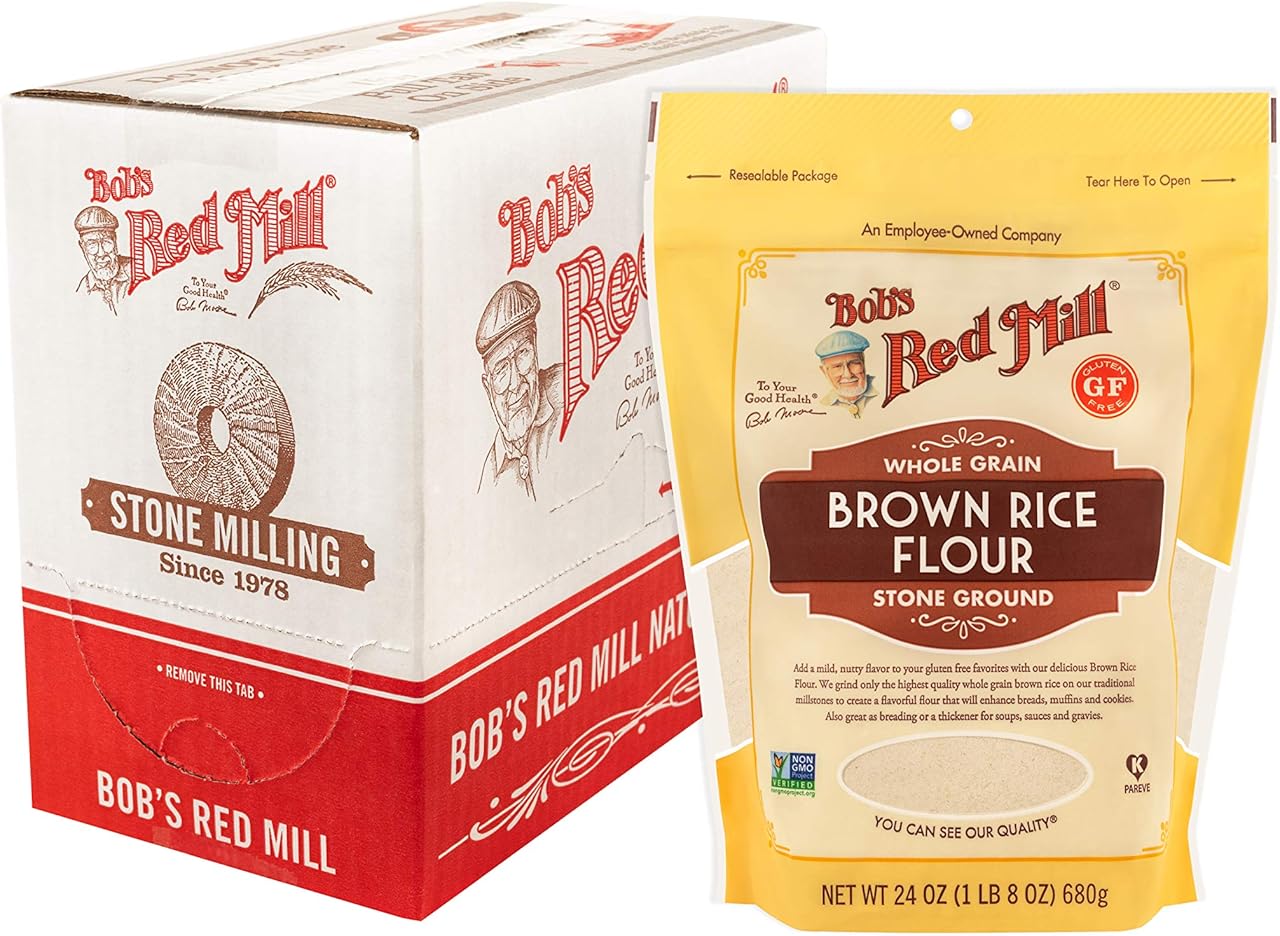
quite good; Bob’s Red Mill rice flour should always be avoided.
Why are my gluten free baked goods dry?
If your baked goods are too dry, ask yourself if you made ingredient.
ingredients were meant to be at room temperature, and even one ingredient was.
cold, they won’t combine properly, and then won’t bake properly.
Dense yeast bread probably didn’t rise long enough, or didn’t have enough liquid.
(did you proof your bread in the refrigerator and the refrigerator was too cold.
or the container wasn’t well-sealed so the liquid evaporated?).
Dense cake, muffins, or quickbread may mean you overmeasured your liquid, your.
baking powder and/or baking soda weren’t fresh, or your oven was too hot so your.
baked goods rose and then fell as they cooled.
Why are they crumbly?
If your gluten free baked goods are crumbly, you probably overmeasured your.
gluten free flour—or used a gluten free flour blend that is too high in starch,.
which absorbs too much moisture. If you didn’t use xanthan gum or a proper.
substitute in a recipe that called for it, your baked goods won’t hold together.
EASY GLUTEN FREE BAKING RECIPES — PERFECT FOR BEGINNERS!
Much of cooking is usually naturally gluten free. That means that much of our.
time here is spent on gluten free baking.
But it’s best to start simply, build up confidence, and you’ll be making gluten.
from scratch before you know it. It’s best to begin with less intimidating.
recipes and then turn to things like fancy pastries and even gluten free yeast.
bread another day, soon.
For now, here are some easy gluten free baking ideas, to get you started.
(including a good starter gf yeast bread recipe, if you feel ready):.
GLUTEN FREE DROP COOKIES ARE ALWAYS A WIN
Try a “drop” gluten free cookie recipe, which just means a cookie that made by.
dropping cookie dough on a baking sheet, not out shapes.
gluten free chocolate chip cookies on brown paper.
free chocolate chip cookies on brown paper.
THE BEST GLUTEN FREE CHOCOLATE CHIP COOKIES
The classic, thick and chewy gluten free chocolate chip cookie, made in one.
bowl, is as easy as mixing up some basic gluten free pantry ingredients, and.
dropping it on the baking sheet. Great for a beginner at gluten free baking!
gluten free chocolate chip cookies.
FLOURLESS MUFFINS, WITH BATTER MADE IN A BLENDER.
If you are just learning about gluten free baking, you don’t have an all purpose.
gluten free flour blend in your pantry, ready to go. If you’re feeling inspired,.
and want to start right away (like I hope you do!), try baking an easy gluten.
free flourless baking recipe.
Here’s one of my all-time favorites. These flourless chocolate muffins are.
nothing short of magic.
FLOURLESS CHOCOLATE PEANUT BUTTER MUFFINS
This flourless chocolate peanut butter muffins recipe makes them moist and.
tender with no grains, no dairy, no flour, & only a touch of honey. Just a few.
basic ingredients you probably already have on hand, a blender, and a muffin tin.
BAKE COOKIES WITH HOMEMADE GLUTEN FREE OAT FLOUR
If you’re able to pop out to the store, and you can have gluten free oats, you.
can have these naturally gluten free breakfast cookies. They don’t call for any.
all purpose gluten free flour, are hearty and satisfying, and just a touch of.
OATMEAL BREAKFAST COOKIES: THE BEST ON-THE-GO HEALTHY BREAKFAST!
These one-bowl oatmeal breakfast cookies are sweetened only with honey and.
applesauce, and made with some certified gluten free old fashioned rolled oats.
and some ground into oat flour. A perfect place for a beginner to start!
READY FOR GLUTEN FREE YEAST BREAD?
If you are ready to venture into gluten free yeast bread baking, begin with.
something you simply dump into a mixer, one ingredient after another, only has.
one rise, and then goes right in the oven. Our simple gluten free white sandwich.
But if you want something that’s super fast rising, doesn’t even need a loaf pan.
or any sort of electric mixer at all, I have another place to begin:.
GLUTEN FREE ARTISAN BREAD | SIMPLE EVERYDAY BREAD.
The simplest recipe for gluten free artisan bread, mixed with the most basic pantry ingredients. This is your everyday gluten free bread,.
and is a great introduction to gluten free yeast bread baking.