




























Cooking and Serving: 40 minutes | 2 pizza crusts
Ingredients
Nicole's Recipe Notes | How to make gluten free pizza dough | Ingredient substitutions
Description
Prep Time: 10 minutes | Cook Time: 30 minutes | Total Time: 40 minutes | Servings: 2 pizza crusts
Ingredients
Nicole's Recipe Notes
How to make gluten free pizza dough
Expert tips
Ingredient substitutions
Easy Gluten Free Pizza Recipe
Notes
* How to make gluten free pizza dough
* Ingredient substitutions
* Easy Gluten Free Pizza Recipe
* Storage instructions
“This was the best pizza I’ve had since I was diagnosed with celiac six years
ago. The gluten-eaters at my dinner said they could not tell the difference and
loved the pizza. I was very proud and thankful for this recipe!”
“Other gluten free pizza recipes are like mud. This one is like dough! Loved it,
* Authentic taste & texture: A light and crispy outside and chewy in the
middle, this crust is full of yeasty flavor—especially if you let it rise
slowly in the refrigerator.
* Quick & easy: Dump the 6 ingredients in this recipe (including water!) in
your mixer bowl and beat well. That's all it takes to make the dough.
* Versatile: You can make a “regular” sauce and cheese pizza, or load up this
crust with pepperoni, sausage, mushrooms, peppers and 3 kinds of cheese. It's
strong enough to hold it all!
* Make ahead: Make the dough ahead of time and store it in the refrigerator for
at least 3 days, then shape and bake. Or parbake a shaped crust and freeze it
until you need a quick dinner!
fingers of hand lifting triangular shaped slice of pizza from a pie cut into 8
slices on brown paper with blue cloth
ingredients for gluten free pizza dough recipe in small bowls and containers
with black block letters spelling out name of each
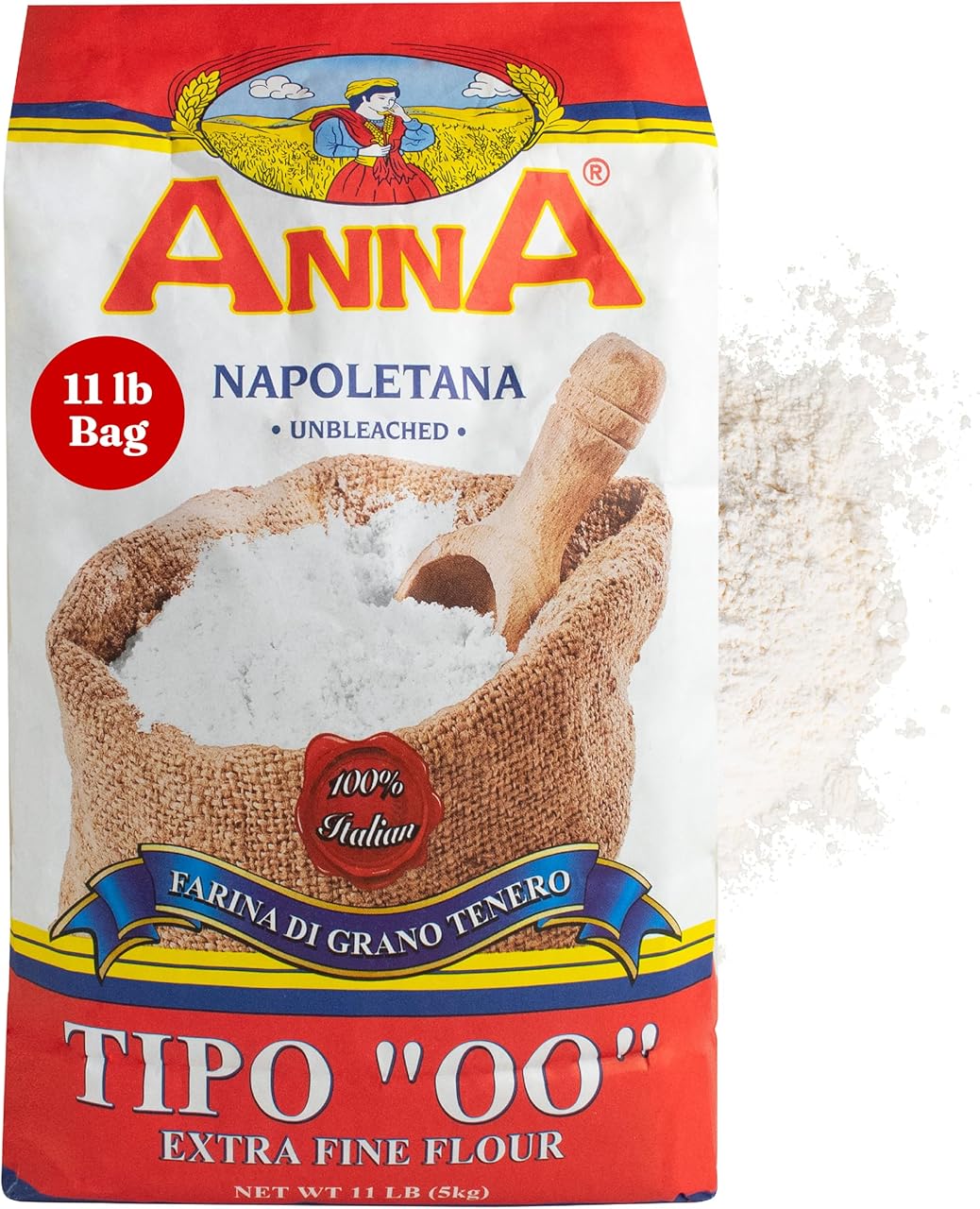
* Gluten free flour: Any high quality, well-balanced all purpose gluten free
flour blend should work here, including xanthan gum. No sourcing unfamiliar
individual flours for this simple recipe.
* Instant yeast: Also called rapid-rise or breadmaker yeast, you add it right
to the dry ingredients. No need to “proof” it first in water.
* Sugar: Just a touch helps feed the yeast without sweetening the dough.
* Salt: Enhances the flavor of the pizza, and without it, bread tastes bland.
Also controls yeast production.
* Olive oil: Adds flavor, richness and tenderness to the dough.
* Water: Hydrates the flour and other dry ingredients, and brings the dough
together. Using warm water makes the yeast more active.
HOW TO MAKE GLUTEN FREE PIZZA DOUGH
In the bowl of a stand mixer, whisk the gluten free flour blend with xanthan
gum, sugar, and salt. Whisk in the yeast. Add warm water and olive oil, and mix
with the paddle attachment until the dough starts to stick to the sides of the
bowl and looks a bit whipped, about 5 minutes.
Transfer the dough to a sealed container that has a tight-fitting lid (or a bowl
that you cover tightly with plastic wrap), and let it rise for about an hour or
until it's about 50% bigger than when it started (it won't double), or let it
rise in the refrigerator for up to 3 days.
hand holding small blue bowl with light brown yeast granules over a large metal
round mixing bowl with flour and a wire whisk
hand pouring water from a small glass pitcher into the same large metal mixing
bowl with whisked flour and other dry ingredients
same bowl with yellow olive oil added on top of water over flour
same bowl in white KitchenAid stand mixer with paddle attachment and dough
sticking to sides of the bowl and the paddle
light tan raw pizza dough in a 2 quart plastic Cambro bucket
same pizza dough in same bucket, now risen
If the dough rose at room temperature, refrigerate it for at least 15 minutes
first. Divide it in half, sprinkle it with extra flour, and press it with
floured fingers from the center toward the edges into a round about 10-inches in
Transfer the dough to a piece of parchment paper on a pizza peel, and use a
pizza roller or rolling pin to roll it smooth from the center to the edges.
Brush the top and edges of the dough with olive oil and bake for about 5 minutes
at 400°F on a pizza stone or overturned baking sheet.
same pizza dough on light tan canvas covered board sliced in half with metal
bench scraper with brown wood handle
fingers of one hand pressing into raw round of pizza dough
same dough with hand pressing into a thinner, larger round
hand using small light blond wood pizza roller to press same dough into a large,
smooth round, with dough now on brown paper on a blond wood pizza peel
hand using pastry brush with black handle to brush olive oil on edge of raw
partially baked light yellow round of pizza dough with bubbles in the dough
Top the blistered, parbaked dough with tomato sauce and shredded cheese, and
bake about 7 minutes more or until the cheese is melted and bubbling and the
crust is light brown. Let set briefly, slice and enjoy!
same round of parbaked pizza dough with red tomato sauce spread on top and white
shreds of mozzarella cheese on top
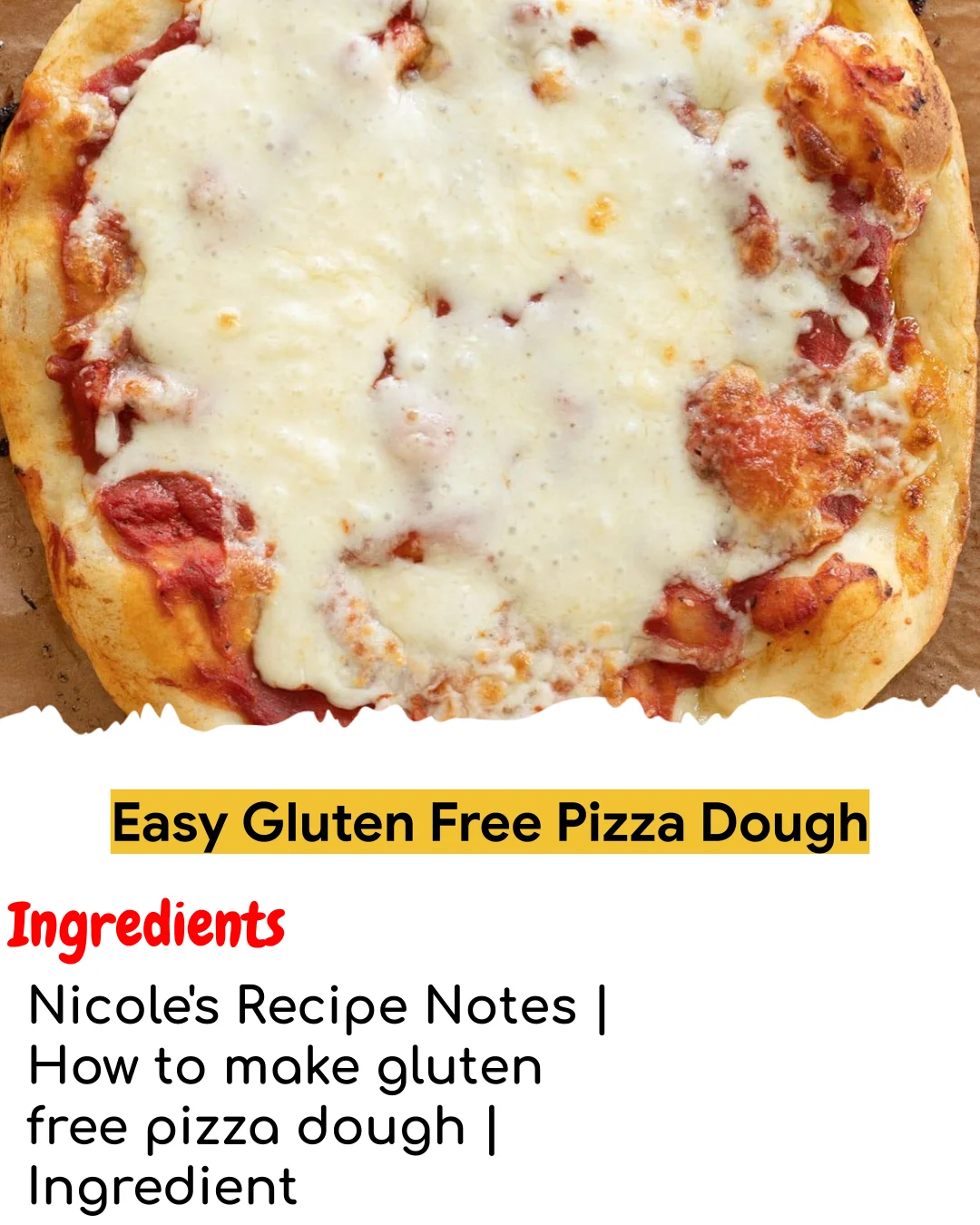
fully baked gluten free pizza round with red sauce peeking through melted off
white cheese on brown paper with brown handled metal pizza wheel, all on brown
The instructions in the recipe card
refer to beating the dough in your mixer until it begins to look “whipped” in
appearance. The dough will at first come together around the paddle attachment.
Keep mixing on a high enough speed, and it will begin to stick to the sides of
the bowl and look more aerated. Here's a short video
to show you exactly what it
REST THE DOUGH IN THE REFRIGERATOR
After you've made your raw pizza dough, let it rest in the refrigerator. That
allows the flours to absorb the moisture of the water, leaving the dough still
hydrated, but making it much less sticky. Cold dough is a lot easier to work
with than warm dough, so it's best to work with it right out of the
WORKING WITH STICKY DOUGH
If your dough is still a bit sticky because you can't afford the time to let it
rest more, or it's not cold enough, sprinkle it with more gluten free flour, and
handle it with a light touch. You can also oil your hands.
Try replacing 1/4 cup (36 grams) of the all purpose gluten free flour blend with
Expandex modified tapioca starch or regular tapioca starch/flour. Add 1 1/2
fluid ounces more water if you use Expandex (but not if you use regular tapioca
Try partially baking (“parbaking”) the risen, chilled and shaped crust at 400°F
for 7 minutes. Let it cool, wrap tightly, and use it later in the day or even
cropped-Pizza-Dough-slice-in-background.jpg
A slice of pizza sitting on top of a wooden cutting board, being picked up to
INGREDIENT SUBSTITUTIONS
The pizza recipe itself is already dairy-free. For a dairy-free cheese to use as
a topping, I like Daiya, Miyoko's Creamery, and Violife brands for nondairy
mozzarella-style cheese shreds.
Olive oil adds a lot of flavor to the dough recipe, and when brushed on the
shaped dough, helps it brown int he oven. You can replace it with your favorite
oil, but it will change the flavor.
You can't make this recipe without yeast, If you can't have yeast, try our
gluten free yeast free pizza dough
If you prefer, you can replace instant yeast with active dry yeast, though.
Instead of 9 grams of instant yeast, you'll need 25% more, for a total of about
11 grams, or 3 2/3 teaspoons active dry yeast. Dissolve the active dry yeast
first in 1/4 cup of the warm water that the recipe calls for, then add it to the
mixing bowl when you add the rest of the water.
If your all purpose gluten free flour blend doesn't already have xanthan gum and
you'd prefer to avoid xanthan gum, try using an equal amount of konjac powder
You can buy it on Amazon.
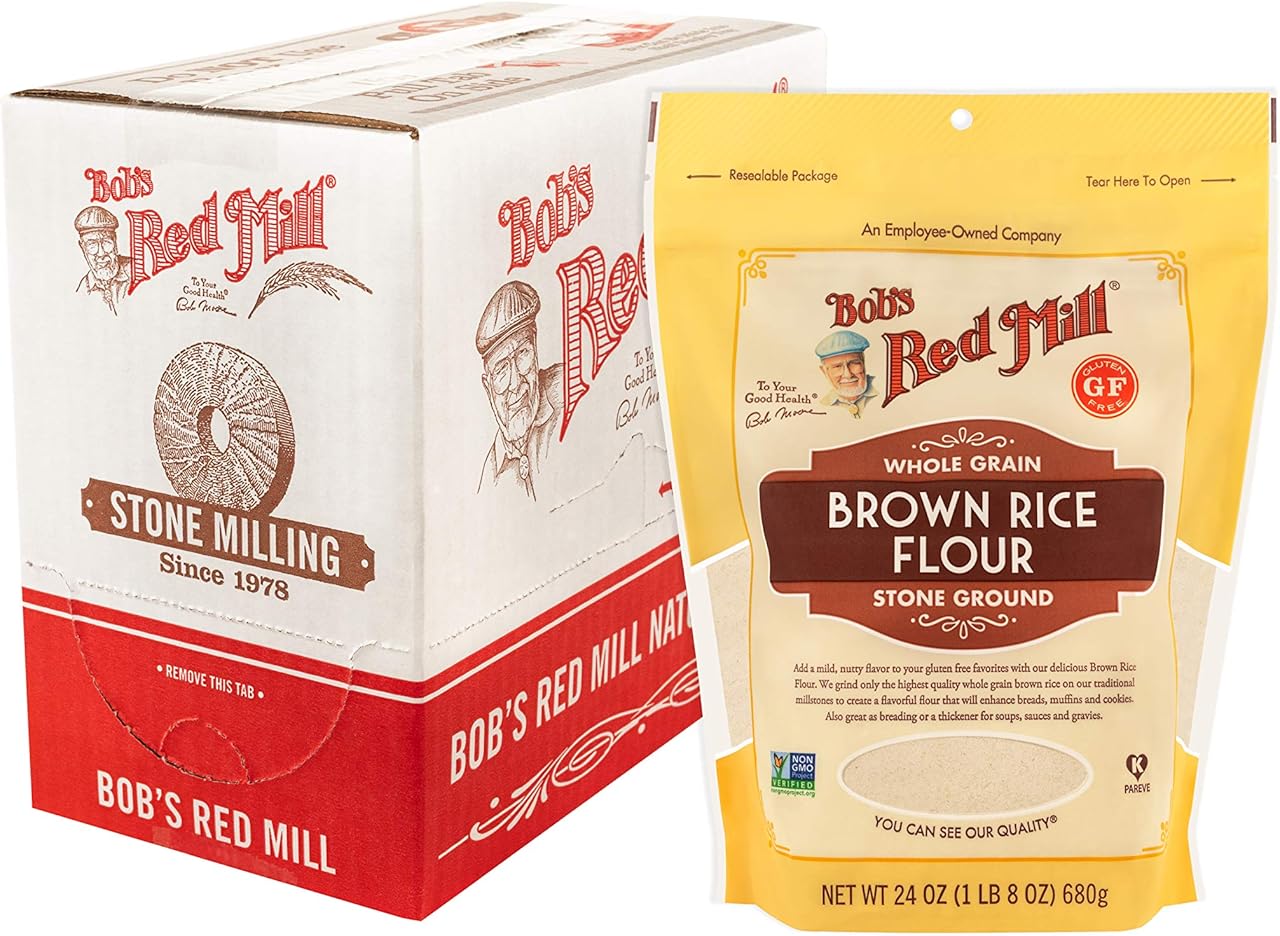
If you're using Bob's Red Mill 1-to-1 gluten free flour, you need to add at
least another 1 teaspoon of xanthan gum (or konjac powder), since it doesn't
have enough xanthan gum to hold yeast bread together.
To replace xanthan gum with psyllium husk, try 20 grams of psyllium husk powder.
First, dissolve it in the water the recipe calls for and allow it to gel, then
add it after adding the olive oil.
round wire rack below fully baked gluten free pizza with red tomato sauce,
melted off white cheese, with blue cloth and metal pizza wheel with brown handle
Go Ad-Free
EASY GLUTEN FREE PIZZA RECIPE
Prep Time: 10 minutes mins
Cook Time: 30 minutes mins
Rising time: 1 hour hr
Total Time: 1 hour hr 40 minutes mins
Yield: 2 pizza crusts
gluten free pizza dough
This basic gluten free pizza dough recipe needs only 6 ingredients to make a
crispy outside, chewy inside crust. Over 900 5-star reviews!
* Stand mixer with paddle attachment or food processor with plastic blade
* Pizza stone recommended (or use an overturned rimmed baking sheet)
* Pastry brush for brushing raw dough with olive oil (or use your fingers)
* Plastic bucket for proofing (or use a bowl with plastic wrap)
* 3 cups (420 g) all purpose gluten free flour blend
* 3 teaspoons xanthan gum, omit if your blend already contains it
* 1 tablespoon (9 g) instant yeast
* 1 ½ teaspoons (6 g) granulated sugar
* 1 ½ teaspoons (9 g) kosher salt
* 4.5 tablespoons (63 g) extra-virgin olive oil, (plus more for brushing)
* Your favorite pizza toppings
MAKE THE PIZZA DOUGH.
* In the bowl of your stand mixer fitted with the paddle attachment or your
food processor fitted with the plastic blade, place the flour, xanthan gum,
(optional Expandex), yeast, and sugar, and whisk to combine with a separate,
handheld whisk. Add the salt, and whisk again to combine well.
* Add the water and olive oil, and mix on medium speed in your stand mixer or
pulse in your food processor until the dough begins to come together.
* Turn the mixer to high speed or your food processor on and process until the
dough is no longer a ball but has begun to appear whipped (about 3 minutes).
This is designed to add air to the dough, which will make it easier to handle
after chilling, and rise better in the oven.
* Transfer the dough to an oiled container with a tight-fitting lid or a
greased bowl, spray lightly with cooking oil spray, and cover tightly.
* Place in a warm, draft-free area to rise until it’s about 150% of its
original volume (about an hour), or refrigerate the dough for up to 3 days.
* When you’re ready to make the pizza, place a pizza stone or overturned rimmed
baking sheet in the oven and preheat it to 400°F.
* If you’ve refrigerated the dough, work with it straight from the
refrigerator. If you haven’t, place the tightly sealed dough in the
refrigerator to chill for at least 15 minutes before working with it, as it’s
easiest to work with when it’s chilled.
* To make pizza, place the dough on a lightly floured surface and sprinkle the
top lightly with a bit more flour. Knead the dough gently until it’s smoother
and not sticky, then divide it into two equal portions. Cover the unused
portion, so it doesn’t dry out.
* With floured fingers, roll the first piece of dough into a ball and then
press it into a disk. Begin pressing the dough from the center toward the
edges with floured fingers to create a disk with a raised edge.
* Continue pressing the dough with floured fingers toward the edge until you
have about a 10-inch round. Move the dough frequently, sprinkling with more
flour as necessary to prevent sticking.
* Place a large piece of unbleached parchment paper onto the pizza peel or
cutting board that you plan to use to transfer the pizza dough to the oven.
Lift the dough gently onto the paper on top of the pizza peel.
* While the dough is on the paper use a small rolling pin or pizza roller to
smooth out the dough where there are uneven marks from your fingers. The
dough will end up about 11- to 12-inches in diameter.
* Use a pastry brush or your fingers to paint the top of the dough with olive
oil, making sure to coat the edges generously.
* Transfer the dough to the pizza peel or baking sheet in the preheated oven.
Bake the dough plain for 5 to 7 minutes, or until the crust has begun to
crisp on the underside.
* Remove the crust from the oven using a pizza peel or large spatula. At this
point, the parbaked crust can be cooled completely, wrapped tightly and
frozen for at least one month. Simply defrost at room temperature, and then
continue with the recipe as written.
* To continue preparing the dough, add your favorite toppings to the parbaked
crust, and return the pizza to the hot oven until any cheese is melted and
the edges have browned and puffed (another 5 to 7 minutes).
* Remove the pizza from the oven using a pizza peel or large spatula, and allow
it to set for 5 minutes before slicing and serving.
My favorite gluten free flour blends are Better Batter's original blend gluten
free flour and Nicole's Best
multipurpose blend (with added
Cup4Cup changed its formula and doesn't seem to work as well as it has in the
past, so I don't recommend it. To make your own blend using one of my “mock”
recipes, please see the all purpose gluten free flour blends
You may also be able to make this recipe using Caputo Fioreglut flour or King
Arthur Flour gluten free bread flour, but both will absorb a lot more moisture
and will make pizza that is less tender. The dough should be quite easy to
Optional variation for chewier pizza
Instead of 3 cups all purpose gluten free flour, use 2 3/4 cups (385 g) all
purpose gluten free flour and add 1/4 cup (36 g) Expandex modified tapioca
starch. You will also have to increase the water ounces (1 1/4 cups + 1 tablespoon) water. Instead of Expandex, you can use 1/4
cup regular tapioca starch, without making any changes to the amount of water.
To replace xanthan gum with psyllium husk, try 20 grams of psyllium husk powder.
First, dissolve it the water and allow it to gel, then add the mixture after
adding the olive oil.
You can also try replacing xanthan gum with an equal amount of konjac powder
without making any other changes.
Nutritional information.
Nutrition information is an estimate, per pizza, without any toppings.
Sodium: 1930mg | Potassium: 27mg | Fiber: 10g | Sugar: 3g | Vitamin C: 0.01mg |
Calcium: 6mg | Iron: 0.2mg
Nutrition information is automatically calculated, so should only be used as an
The raw dough will keep in a sealed container in the refrigerator for at least 3
days. It's best to work with the dough cold, so you'll shape it right out of the
I don't recommend freezing raw yeast dough, since it can kill the yeast. Just
parbake the shaped crust, let it cool, wrap it tightly, and store it in the
freezer for up to 3 months. Defrost at room temperature, top, and finish baking
according to the recipe instructions.
Leftover slices of pizza can be wrapped tightly in freezer-safe wrap and
refrigerated for up to 3 days. Just unwrap, sprinkle with water, and place in
the toaster oven for about 5 minutes at 300°F or until fully refreshed.
Overhead image of a ball of gluten free pizza dough and flour
Can I make this dough
I've only been able to make a smooth dough using a stand mixer with the paddle
attachment or a food processor. That's how you mix the ingredients fully and get
a smooth, aerated dough. Some readers have reported being able to make it really
vigorously little added extra flour as possible.
Can I bake this recipe without a pizza stone?
Yes! Place an overturned rimmed baking sheet in the oven to allow as much air
circulation as possible. Or try a perforated pizza crisper.
Can I use almond flour as an all purpose gluten free flour?
No, almond flour can never be used as an all purpose gluten free flour blend, so
you can't use it to make this particular gf pizza dough recipe, which has been
developed to be made with a rice-based all purpose blend. Try our Paleo pizza
Why is my crust crumbly?
If you've added too much gluten free flour blend used a different flour blend that isn't good quality, or overmeasured the oil
you pizza crust can appear crumbly.
If it's dry and crumbly, try adding more water smooth. If it's dry and oily, try working in more gluten free flour.
What do you mean when you say the dough should look “whipped”?
This only means that the dough should be fully aerated, and stick to the sides
of the mixing bowl as you mix it. It makes the dough much easier to handle, and
allow you to roll it smooth when you shape it.
Do I let the dough rise after I shape it?
No, that isn't necessary. The only rise is for the yeast to become active and
develop flavor. The rise of the pizza crust itself will be mostly in the oven
during the first bake, before you add toppings. As long as your oven is hot
enough, you'll see the crust puff and blister almost immediately.
A basic recipe for gluten free pizza dough is one of the single most important
staples to have in your kitchen. It's super simple to make, freezes well, and
defrosts easily. #glutenfree #pizza #recipes
A close up of a slice of pizza crust
Overhead image of parbaked gluten free pizza without toppings