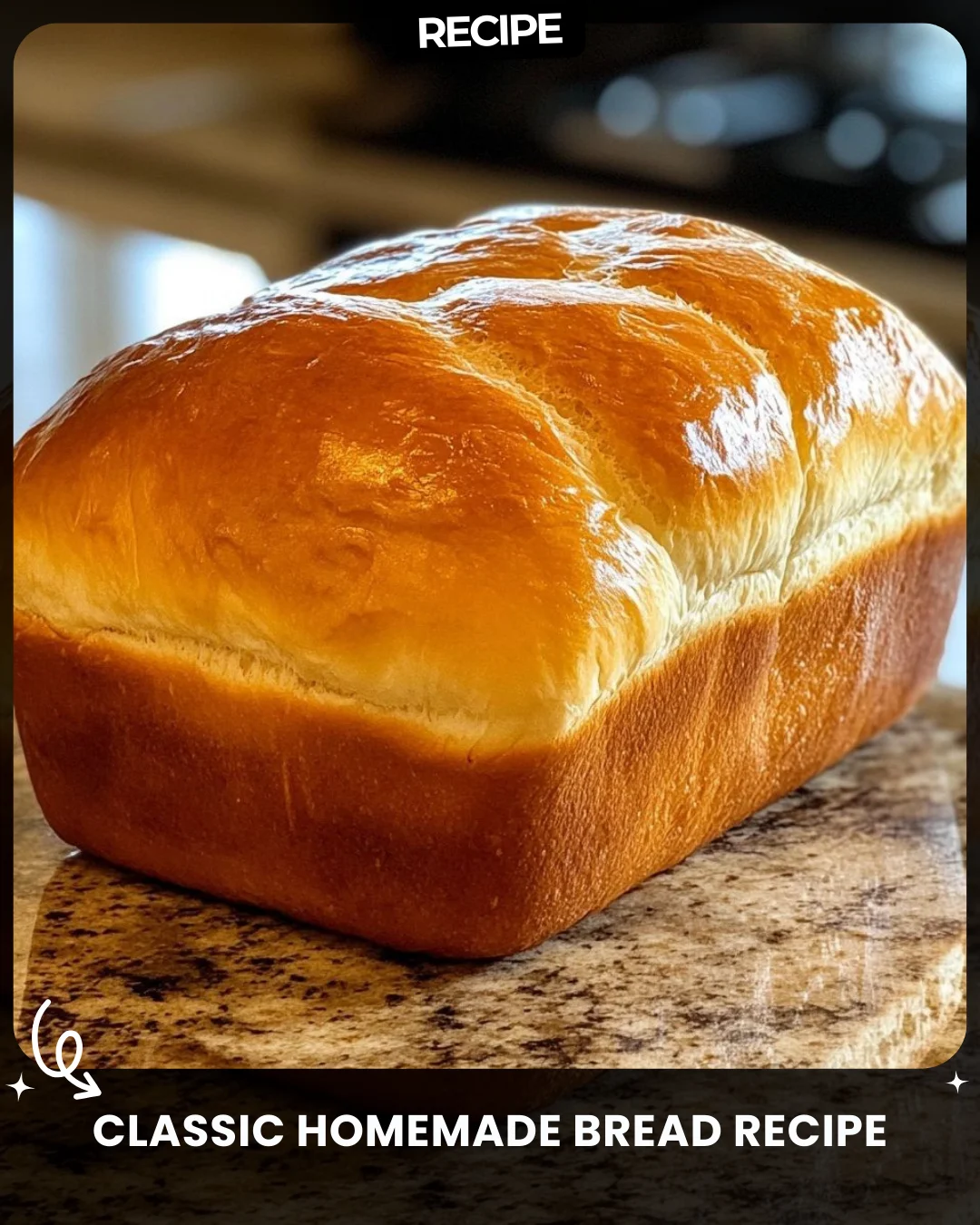
Description
Classic Homemade Bread Recipe
Ingredients:
3 1/2 cups all-purpose flour
1 packet (2 1/4 tsp) active dry yeast
1 1/4 cups warm water (around 40°C/110°F)
2 tbsp sugar
2 tbsp unsalted butter, softened
1 1/2 tsp salt
1/4 cup milk
Extra butter for brushing
Instructions:
1. Activate the Yeast:
In a small bowl, mix warm water and sugar. Sprinkle yeast over the top and let it sit for 5-10 minutes until frothy.
2. Mix the Dough:
In a large bowl, combine flour and salt. Add yeast mixture, milk, and softened butter. Mix until a dough forms.
3. Knead the Dough:
Transfer the dough to a floured surface and knead for about 8-10 minutes until smooth and elastic.
4. First Rise:
Place the dough in a greased bowl, cover with a clean kitchen towel, and let it rise in a warm place for 1-1.5 hours, or until doubled in size.
5. Shape the Dough:
Punch down the dough and shape it into a loaf. Place it in a greased 9x5-inch loaf pan. Cover and let it rise again for 30-40 minutes.
6. Bake the Bread:
Preheat oven to 180°C (350°F). Bake for 25-30 minutes or until the top is golden and the bread sounds hollow when tapped.
7. Brush with Butter:
Remove the bread from the oven and immediately brush the top with melted butter for a soft, glossy finish.
8. Cool and Serve:
Let the bread cool completely before slicing. Enjoy fresh or toasted!
Step-by-Step Guide
Follow these detailed instructions for perfect homemade bread. After activating the yeast, combine the wet and dry ingredients in your large bowl. Mix until a shaggy dough forms. Turn this out onto a lightly floured surface. The key to kneading is to use the heel of your hand to push the dough away from you, then fold it back over itself. Repeat this rhythmic motion for the full 8-10 minutes; the dough is ready when it's smooth, springs back when poked, and passes the "windowpane test" (stretch a small piece thinly enough to see light through it without tearing). For the first rise, ensure your warm place is draft-free. To shape the loaf, gently deflate the risen dough and form it into a tight log by folding the sides to the center, then rolling it seam-side down into your pan.
Serving Suggestions
This versatile bread is perfect for any meal. Serve thick, warm slices with a pat of high-quality butter and a sprinkle of sea salt. Use it for classic sandwiches like grilled cheese or turkey clubs. For breakfast, toast slices and top with avocado, jam, or peanut butter. It also makes exceptional French toast or bread pudding. Don't forget to use the crusts for homemade croutons or breadcrumbs.
How-to Summary
In short: Activate yeast in warm, sugary water. Mix with flour, salt, milk, and butter to form a dough. Knead thoroughly until elastic. Let the dough rise until doubled. Punch it down, shape into a loaf, and let it rise again in the pan. Bake at 350°F until golden and hollow-sounding. Brush with butter and cool completely before slicing.
Frequently Asked Questions
Can I use instant yeast instead of active dry? Yes. You can mix instant yeast directly with the dry ingredients. Skip the activation step and ensure your liquid is still warm.
Why didn't my bread rise enough? The most common culprits are old/inactive yeast, water that was too hot and killed the yeast, or a drafty, cool rising environment.
How do I store homemade bread? Store it in a paper bag or bread box at room temperature for 2-3 days. For longer storage, slice and freeze in a sealed bag for up to 3 months.
Can I make this dough by hand if I don't have a mixer? Absolutely. This recipe is designed for hand-kneading. The 8-10 minutes of kneading by hand is essential for developing gluten structure.
My bread is dense. What went wrong? Dense bread often results from under-kneading (not enough gluten development), using old yeast, or not allowing the dough to rise fully in either stage.
Common Mistakes to Avoid
- Using water that is too hot: This kills the yeast. Aim for 110°F, which feels warm but not hot to the touch.
- Not kneading enough: Inadequate kneading yields poor gluten development, leading to a dense, crumbly loaf.
- Adding flour while kneading: Resist the urge to add too much extra flour. A slightly sticky dough is better than a dry, stiff one.
- Slicing while warm: Cutting into the bread before it's fully cooled causes it to become gummy as the interior is still setting.
- Inaccurate measuring: For flour, spoon it into the measuring cup and level it off. Scooping directly packs the flour, leading to too much.
Conclusion
Baking this classic homemade bread is a rewarding process that fills your kitchen with an irresistible aroma. By following this detailed guide and paying close attention to the yeast activation, kneading, and rising stages, you will achieve a beautifully golden, soft, and flavorful loaf. Avoid the common pitfalls, be patient during the rises, and you'll master a fundamental baking skill. The result is a versatile, delicious bread far superior to anything store-bought. Happy baking!