3:58
3:58
Traditional Basil Pesto | Gennaro Contaldo
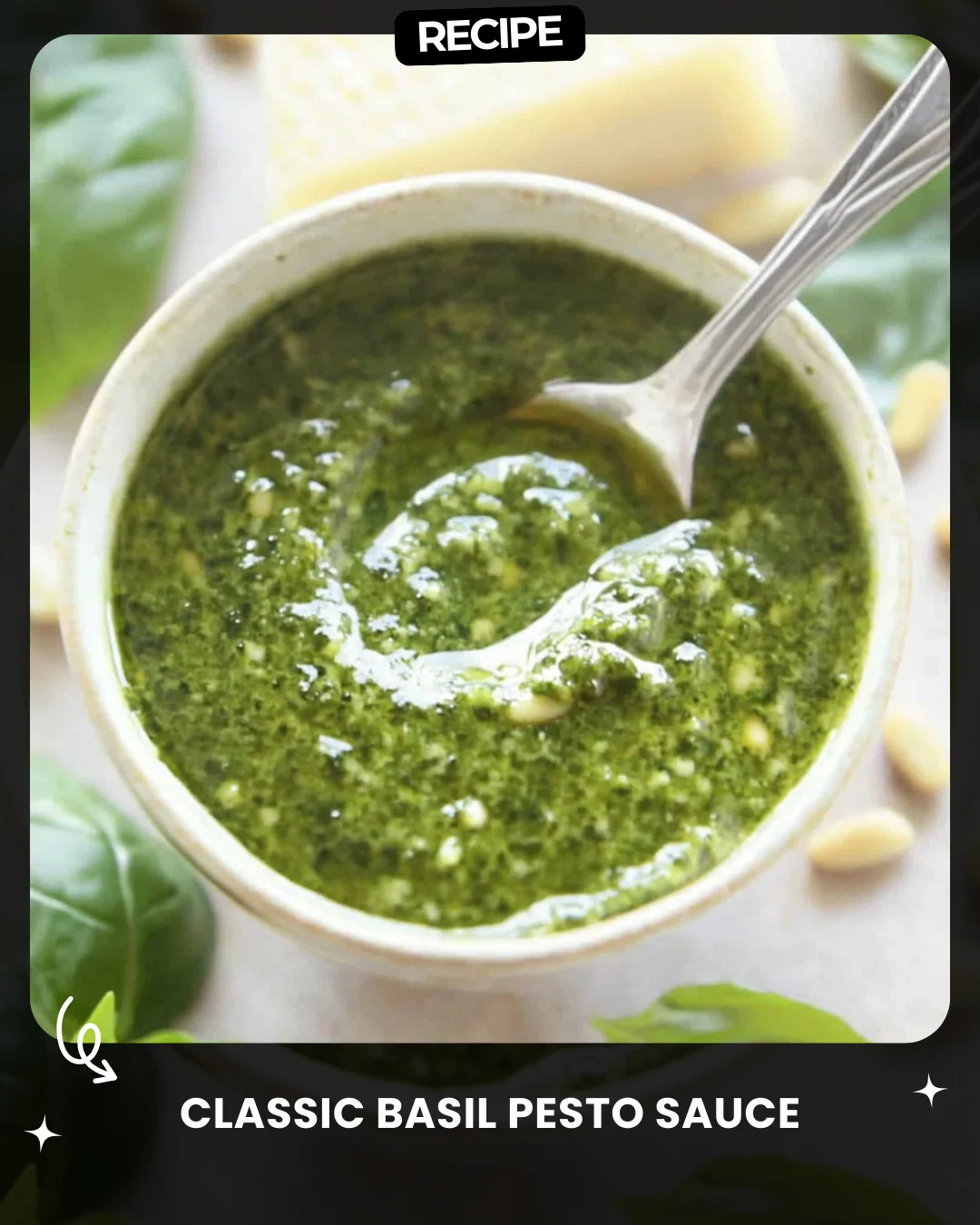
Description
Classic Basil Pesto Sauce
Ingredients
2 cups fresh basil leaves, packed
1/2 cup grated Parmesan cheese
1/3 cup pine nuts (or walnuts for a budget-friendly option)
2 cloves garlic, minced
1/2 cup olive oil
Salt & pepper to taste
Directions
Toast Nuts (Optional): Lightly toast pine nuts in a dry skillet over medium heat for 2-3 minutes. Let them cool.
Blend: Add basil, Parmesan cheese, pine nuts, and garlic to a food processor. Pulse until coarsely combined.
Add Olive Oil: While the processor runs, slowly drizzle in olive oil until the mixture is smooth.
Season: Taste and season with salt and pepper. Blend again briefly.
Store: Transfer to a jar and cover with a thin layer of olive oil to keep fresh. Use immediately or refrigerate.
Prep Time: 10 minutes
Cook Time: 0 minutes
Total Time: 10 minutes
Servings: 8 (2 tablespoons per serving)
Calories: ~160 kcal per serving
#BasilPesto #HomemadeSauce #ItalianFlavors #HealthyEats #PastaLover
Step-by-Step Guide
Follow these detailed instructions for perfect pesto every time. First, ensure your basil is completely dry after washing. Moisture can make the pesto watery. If toasting nuts, do so in a dry pan over medium-low heat, shaking frequently until fragrant and golden. Let them cool completely to avoid wilting the basil. In your food processor, combine the cooled nuts, garlic, and Parmesan. Pulse a few times to break them down. This prevents large chunks. Next, add all the basil leaves and pulse in short bursts. The goal is a coarse, crumbly texture before adding oil. With the processor running on low, slowly drizzle in the olive oil in a steady stream. Stop as soon as the mixture emulsifies and becomes a cohesive sauce. Finally, season with salt and pepper, pulsing once more to incorporate. Do not over-process, as heat from the blades can bitter the basil.
Serving Suggestions
This versatile pesto is far more than a pasta sauce. Toss it with hot pasta, reserving a little pasta water to loosen the sauce. Use it as a vibrant sandwich spread or a topping for grilled chicken, fish, or roasted vegetables. Stir a spoonful into soups or mayonnaise for a flavor boost. For a quick appetizer, dollop over bruschetta or mix into softened cream cheese for a dip.
How-to Summary
Toast and cool nuts. Process nuts, cheese, and garlic first. Add basil and pulse to a coarse mix. Slowly drizzle in oil while processing until smooth. Season with salt and pepper. Store with a layer of oil on top.
Frequently Asked Questions
Can I make pesto without a food processor? Yes, use a mortar and pestle for a more authentic, textured sauce. Crush the garlic and nuts first, then work in the basil leaves, followed by the cheese and oil.
How long does homemade pesto last? In an airtight jar with a layer of oil on top, it will last 5-7 days in the fridge. You can also freeze it in ice cube trays for up to 3 months.
Why did my pesto turn brown? Oxidation causes browning. Ensure the basil is fully submerged under oil. Adding a small squeeze of lemon juice can also help preserve the bright green color.
What are the best nut substitutes? Walnuts are a classic, affordable alternative. Blanched almonds, pistachios, or even sunflower seeds also work beautifully and offer different flavor profiles.
Can I make it dairy-free or vegan? Absolutely. Omit the Parmesan or use a nutritional yeast substitute for a similar savory, umami flavor.
Common Mistakes to Avoid
Avoid using a blender if possible, as it can puree too finely and generate heat. Never add the oil all at once; slow drizzling is key for emulsion. Do not use pre-grated Parmesan, which contains anti-caking agents and won't blend smoothly. Skipping the final thin layer of oil on top when storing leads to rapid discoloration. Finally, avoid over-processing—pesto should have a slight texture.
Conclusion
Mastering classic basil pesto unlocks a world of fresh, vibrant flavor for your kitchen. With just a few quality ingredients and simple technique, you can create a sauce far superior to any store-bought version. Its versatility for pasta, proteins, and spreads makes it an essential staple. Remember the key tips: process in stages, emulsify the oil slowly, and store it properly under oil. Enjoy the taste of summer any time of year with this fundamental Italian recipe.