Description
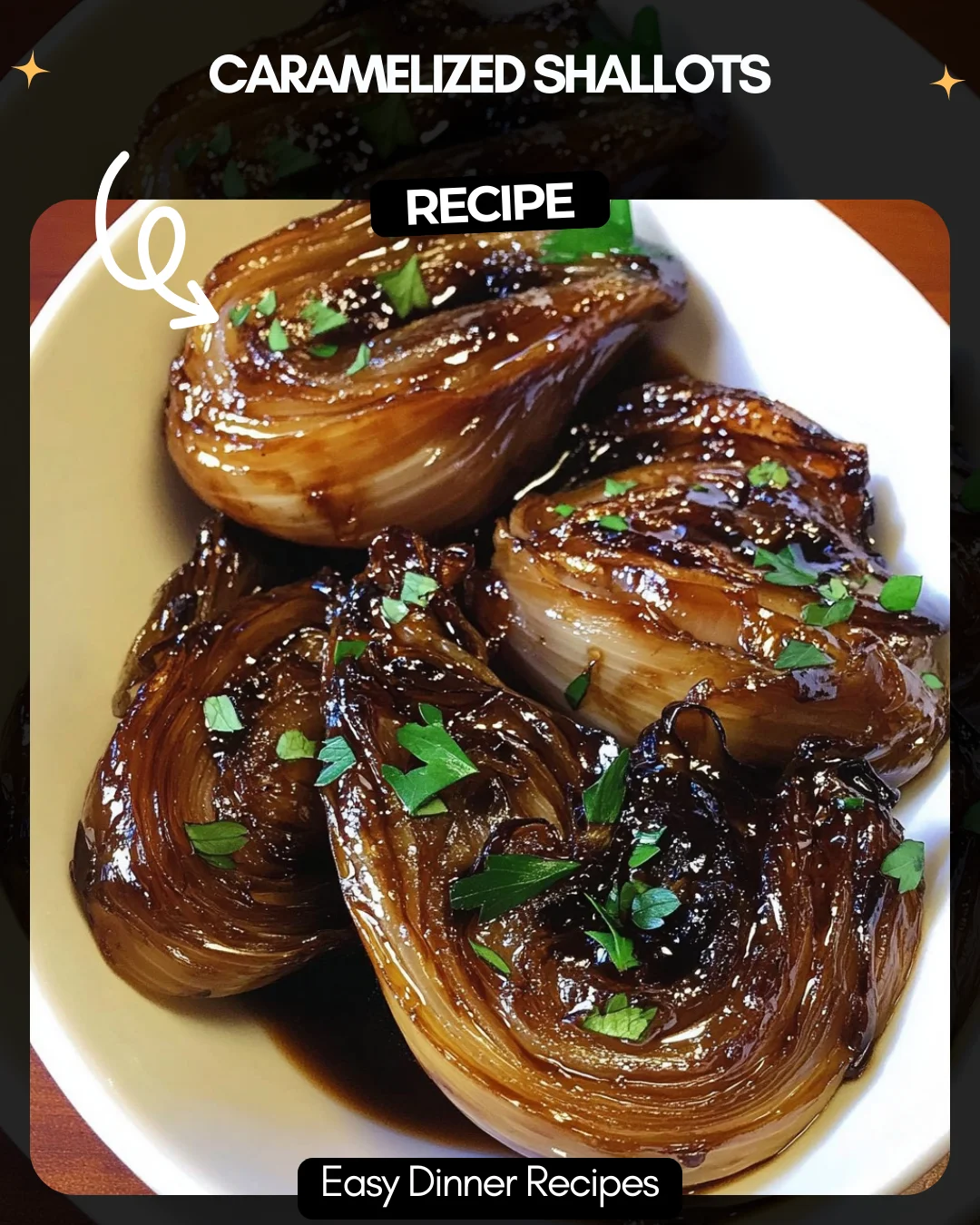
Caramelized Shallots
These buttery caramelized shallots are a delightful side dish that pairs wonderfully with almost any meat, from juicy roasts to crispy baked chicken. Adapted from Ina Garten’s classic recipe, fresh shallots are roasted in butter and balsamic vinegar until they transform into a rich, creamy sweetness that’s simply irresistible. Their leftover magic shines even in omelets for a savory twist the next morning!
3 tbsp unsalted butter
1 lb fresh whole shallots, peeled (6 medium shallots)
1 tbsp balsamic vinegar
½ tsp kosher salt
¼ tsp freshly ground black pepper
Directions:
1. Preheat oven to 400°F.
2. In an ovenproof skillet, melt butter over medium heat. Add shallots and cook until browned (10 mins).
3. Add vinegar, salt, and pepper. Toss shallots to coat.
4. Transfer skillet to oven and roast for 20 mins, flipping midway.
Prep Time: 10 mins
Kcal: 213
Step-by-Step Guide
Follow these detailed instructions for perfect caramelized shallots every time.
- Preheat and Prepare: Preheat your oven to 400°F (200°C). While it heats, peel 1 pound of fresh whole shallots.
- Choose the Right Pan: Use a heavy, ovenproof skillet (like cast iron or stainless steel) that can go from stovetop to oven.
- Brown the Shallots: Melt 3 tablespoons of unsalted butter in the skillet over medium heat. Add the peeled shallots in a single layer. Cook for about 10 minutes, turning occasionally, until they develop a golden-brown color on multiple sides.
- Deglaze and Season: Remove the skillet from the heat. Add 1 tablespoon of balsamic vinegar, 1/2 teaspoon kosher salt, and 1/4 teaspoon black pepper. Toss the shallots vigorously to coat them evenly in the glaze.
- Roast to Perfection: Carefully transfer the skillet to the preheated oven. Roast for 20 minutes, using tongs to flip the shallots halfway through the cooking time. They are done when tender all the way through and deeply caramelized.
Serving Suggestions
These versatile shallots elevate countless dishes. Serve them as a sophisticated side with a standing rib roast, herb-roasted chicken, or pan-seared steak. For a vegetarian option, mix them into a warm grain bowl with quinoa and roasted vegetables. As mentioned, they are fantastic folded into scrambled eggs or an omelet the next day. You can also chop them and use as a rich topping for crostini with goat cheese.
How-to Summary
Peel shallots, brown in butter on the stovetop, toss with balsamic vinegar and seasonings, then roast in a 400°F oven for 20 minutes until tender and caramelized.
Frequently Asked Questions
- Can I use a different type of onion? Yes, but the result will differ. Small pearl onions are the closest substitute, but shallots have a unique, delicate sweetness that is ideal for this recipe.
- My shallots are burning. What went wrong? Your heat may be too high. Ensure you are cooking at a true medium heat on the stovetop and that your oven is accurately calibrated. Using a heavy-bottomed pan also prevents hot spots.
- Can I make these ahead of time? Absolutely. Cook them completely, let them cool, and store in an airtight container in the refrigerator for up to 3 days. Reheat gently in a skillet or in the oven.
- What can I use instead of balsamic vinegar? A good quality red wine vinegar or even a teaspoon of good soy sauce can provide a similar depth of flavor, though the taste profile will change slightly.
- How do I know when the shallots are perfectly cooked? They should be fork-tender all the way through. The outer layers will be soft, slightly shriveled, and coated in a dark, sticky, sweet glaze.
Common Mistakes to Avoid
- Not using an ovenproof skillet: Transferring ingredients from one pan to another risks losing juices and making a mess.
- Crowding the pan: Ensure shallots are in a single layer with space between them to brown properly, not steam.
- Skipping the stovetop browning: This step builds foundational flavor and color that roasting alone cannot achieve.
- Using old or dried-out shallots: Fresh, firm shallots with no green sprouts will yield the best texture and sweetness.
Conclusion
Mastering these caramelized shallots is a simple way to add a touch of gourmet elegance to your everyday meals. The process is straightforward, but the result—deeply sweet, buttery, and complex—is profoundly impressive. This adaptable recipe is sure to become a cherished staple in your culinary repertoire, perfect for both holiday feasts and weeknight dinners.