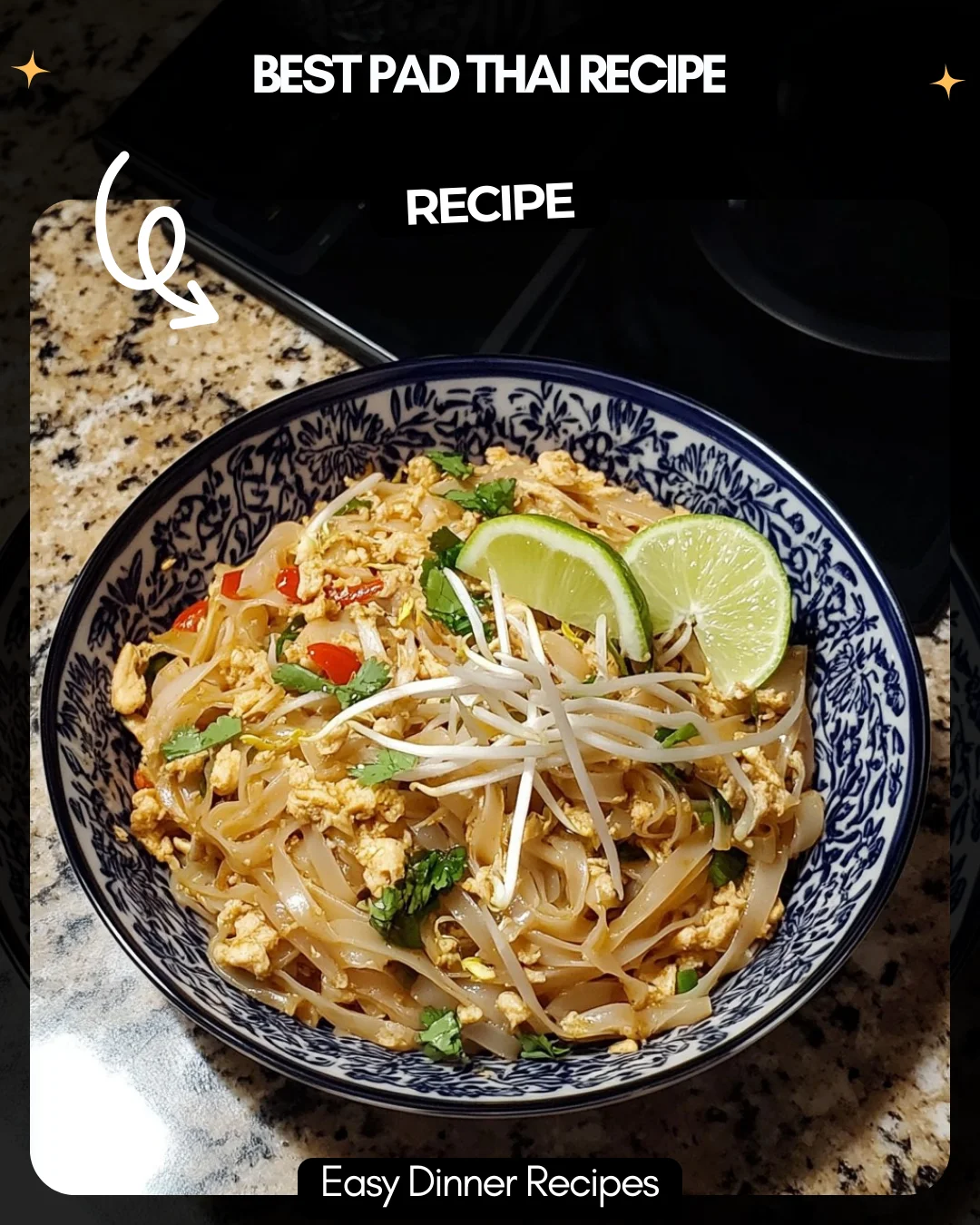
Best Pad Thai Recipe
 3:22
3:22
Easy Homemade Pad Thai | Flavor Makers Series | McCormick
Description
Best Pad Thai Recipe
Delight in the perfect balance of sweet, sour, salty, and umami with this easy 30-minute Pad Thai. Inspired by authentic flavors but adapted for the busy home cook, this dish is a delightful twist on traditional Pad Thai. No need for takeout when you can create this comforting, flavor-packed meal right at home!
4 oz rice noodles
1 1/2 tbsp vegetable oil
8 oz tofu/shrimp/chicken
3 garlic cloves
3 green onions
1 1/2 cup carrots/bell pepper
2 eggs
1 cup bean sprouts
Pad Thai sauce: 2 tbsp each fish sauce, soy sauce, 1/4 cup brown sugar, 1 tbsp sriracha, 2 tbsp peanut butter, 2 tbsp rice vinegar
Directions:
1. Soak noodles.
2. Mix sauce.
3. Sauté veggies and garlic.
4. Cook eggs.
5. Add protein, noodles, sauce, and toss.
Prep Time: 15 mins
Kcal: 639
Step-by-Step Guide
1. Prepare the Noodles: Soak 4 oz of flat rice noodles in warm water for 20-25 minutes until pliable but still firm. Drain and set aside.
2. Make the Sauce: In a small bowl, whisk together 2 tbsp fish sauce, 2 tbsp soy sauce, 1/4 cup brown sugar, 1 tbsp sriracha, 2 tbsp peanut butter, and 2 tbsp rice vinegar until smooth.
3. Cook the Aromatics & Veggies: Heat 1 1/2 tbsp vegetable oil in a large wok or skillet over high heat. Add minced garlic and chopped white parts of green onions. Stir-fry for 30 seconds, then add 1 1/2 cups of julienned carrots or bell peppers. Cook for 2-3 minutes until slightly tender.
4. Scramble the Eggs: Push the veggies to one side. Crack 2 eggs into the empty space and scramble until just set.
5. Combine Everything: Add your chosen protein (tofu, shrimp, or chicken) and cook through. Add the drained noodles and the prepared sauce. Toss everything together for 2-3 minutes until the noodles have absorbed the sauce and are tender.
6. Finish: Turn off the heat. Fold in 1 cup of bean sprouts and the chopped green parts of the green onions.
Serving Suggestions
Serve your Pad Thai immediately while hot. Garnish with a lime wedge for a fresh citrus squeeze, a sprinkle of crushed roasted peanuts for crunch, and extra bean sprouts on the side. For a complete meal, pair with a simple side like a cucumber salad or spring rolls. Leftovers can be stored in an airtight container in the refrigerator for up to 2 days, though it’s best enjoyed fresh.
How-to Summary
Soak rice noodles. Whisk the sweet, salty, and tangy sauce. Quickly stir-fry garlic, green onions, and vegetables. Scramble eggs in the same pan. Add your protein, the softened noodles, and the sauce, tossing until everything is hot and coated. Finish by folding in fresh bean sprouts.
Frequently Asked Questions
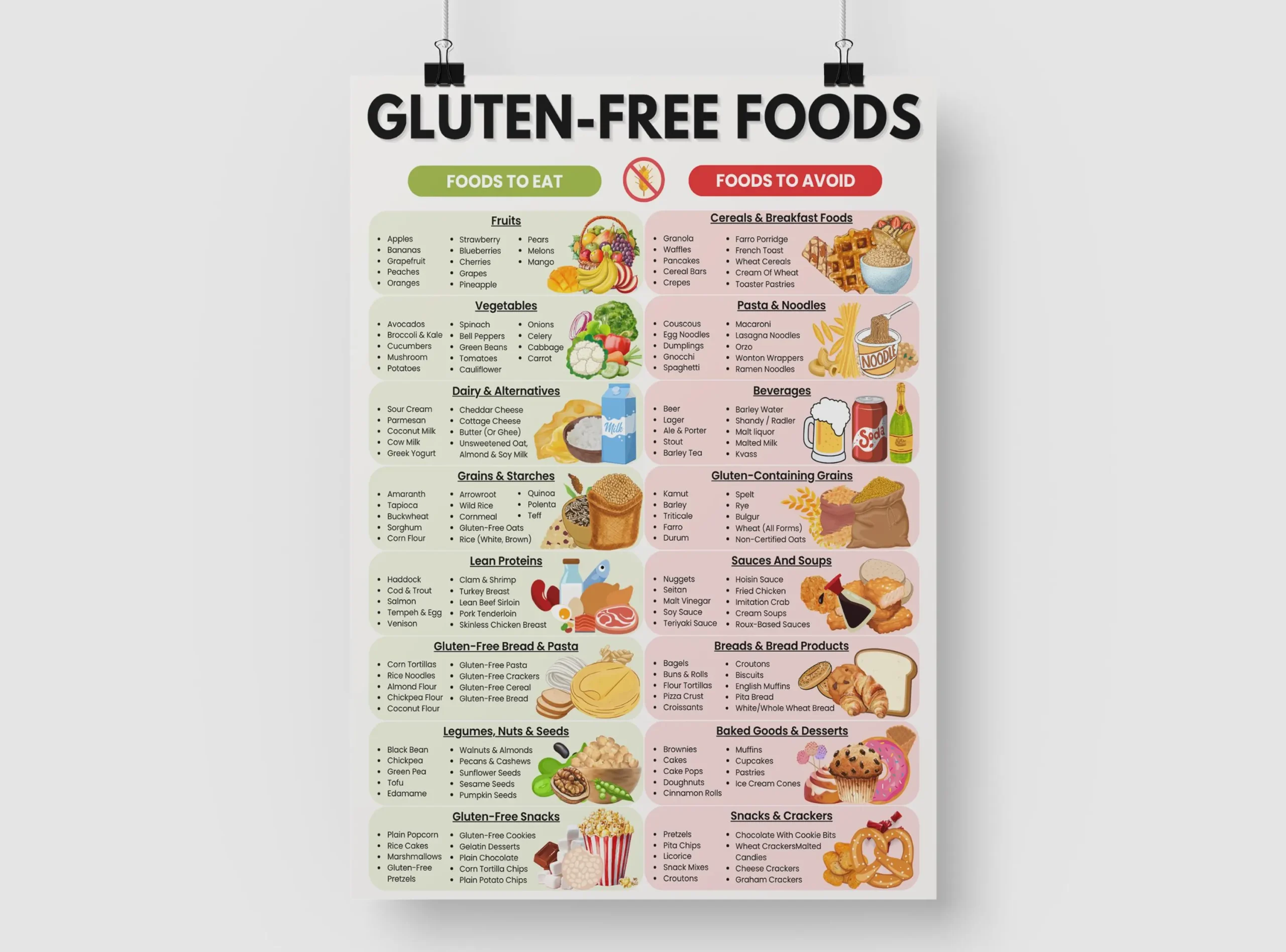
1. Can I make this recipe gluten-free?
Yes. Use tamari or a certified gluten-free soy sauce instead of regular soy sauce, and ensure your fish sauce is gluten-free.
2. What’s the best substitute for fish sauce for a vegetarian version?
Use soy sauce or tamari, or for a closer flavor, try a vegetarian “fish sauce” made from mushrooms or soy.
3. My noodles turned out sticky or mushy. What happened?
This is usually from over-soaking or over-cooking. Soak noodles only until bendable, and cook them in the sauce just long enough to heat through and absorb flavor.
4. Can I prepare the sauce ahead of time?
Absolutely. The sauce can be mixed and refrigerated for up to 5 days, making weeknight cooking even faster.
5. Is peanut butter traditional in Pad Thai sauce?
Not strictly traditional, but it’s a common and delicious Western adaptation that adds creaminess and depth. Traditional recipes might use tamarind paste as the primary sour element.
Common Mistakes to Avoid
- Over-soaking the noodles: They will continue to cook in the wok. Soak only until flexible to avoid mush.
- Crowding the pan: Use a large wok or skillet to allow for proper stir-frying. Cooking in batches is better than steaming everything.
- Adding the sauce too late: Have your sauce mixed and ready before you start cooking. Adding it at the right moment ensures the noodles absorb the flavor perfectly.
- Skipping the garnish: The lime, peanuts, and fresh sprouts add essential texture and brightness that elevate the dish.
Conclusion
This Pad Thai recipe proves that a restaurant-favorite meal is entirely achievable in your own kitchen in about 30 minutes. By mastering the simple sauce and following the key steps, you can enjoy a perfectly balanced dish of sweet, sour, salty, and umami flavors anytime. Ditch the takeout menu and embrace the satisfaction of creating this vibrant, comforting classic at home.