Description
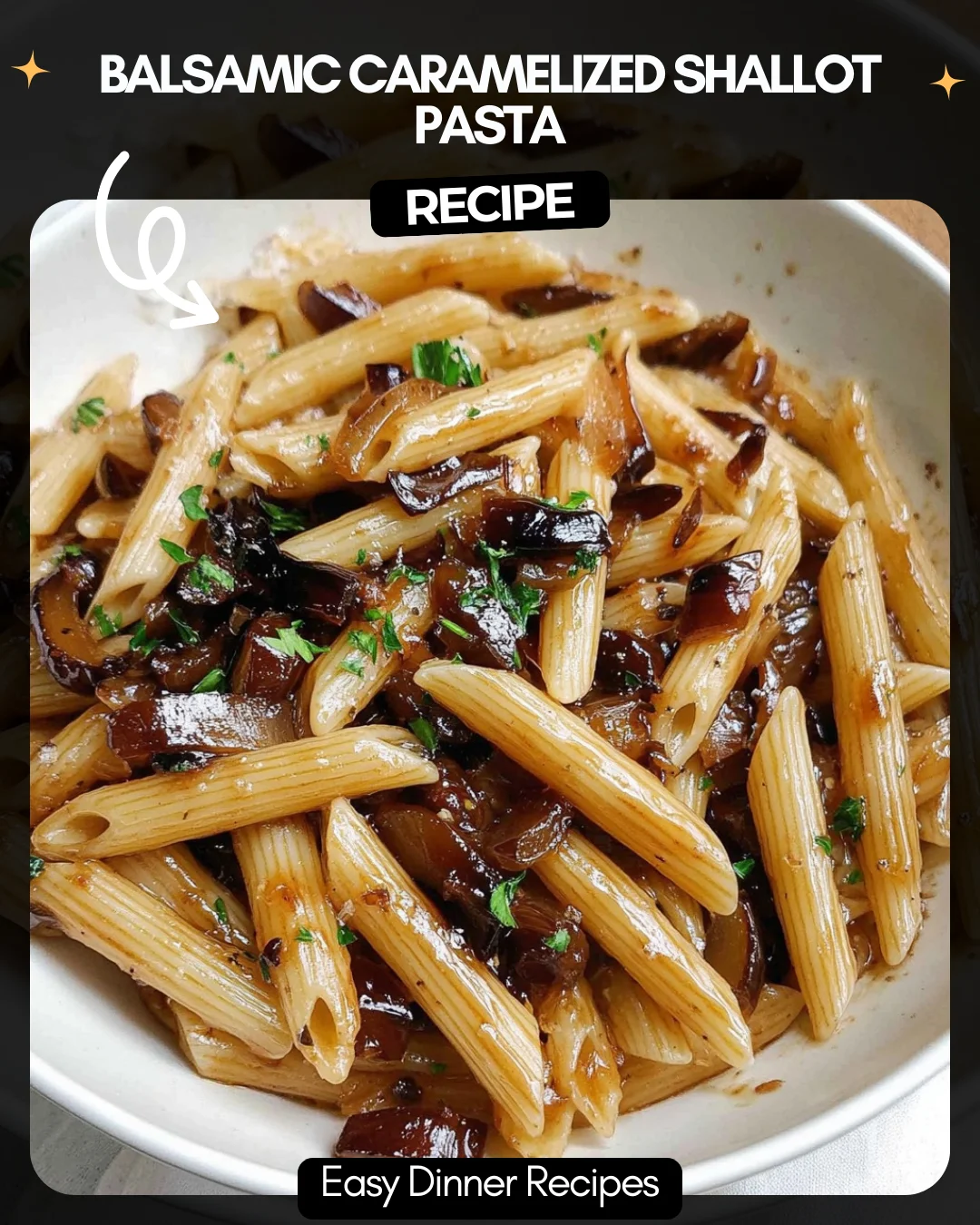
Balsamic Caramelized Shallot Pasta
Experience the delicious fusion of sweet, tangy, and savory with this balsamic caramelized shallot pasta! Caramelizing shallots brings out a natural sweetness, complemented by balsamic vinegar and brown sugar, creating a flavor-packed dish perfect for any weeknight meal. Whether served as a main course with lentil pasta for added protein or as a side, this vegetarian delight is sure to impress. Best of all, it’s ready in just 30 minutes—an easy yet sophisticated addition to your dinner table!
8 oz penne pasta
2 tbsp olive oil
1 lb shallots, sliced into rings
Salt & pepper, to taste
3 tbsp balsamic vinegar
2 tbsp packed brown sugar
1/3 cup fresh parsley, chopped
1/2 cup parmesan cheese, grated
Directions:
1. Cook pasta as per package; reserve pasta water.
2. Cook shallots in olive oil until tender (10-15 min). Add balsamic vinegar & sugar; cook 5 more min.
3. Mix pasta with shallots, parsley, and parmesan.
Prep Time: 10 mins
Kcal: 443
Step-by-Step Guide
1. Cook the Pasta: Bring a large pot of salted water to a boil. Add 8 oz of penne pasta and cook according to package directions until al dente. Before draining, reserve at least 1 cup of the starchy pasta water. Drain the pasta and set aside.
2. Caramelize the Shallots: While the pasta cooks, heat 2 tbsp of olive oil in a large skillet over medium-low heat. Add 1 lb of thinly sliced shallots. Season with salt and pepper. Cook, stirring occasionally, for 10-15 minutes until the shallots are very soft, golden brown, and caramelized.
3. Create the Glaze: Increase the heat to medium. To the caramelized shallots, add 3 tbsp of balsamic vinegar and 2 tbsp of packed brown sugar. Stir constantly for 3-5 minutes until the vinegar reduces and the mixture becomes a sticky, glossy glaze.
4. Combine: Add the drained pasta directly to the skillet with the shallot glaze. Toss to coat thoroughly. If the pasta seems dry, add reserved pasta water a few tablespoons at a time until the desired sauciness is achieved.
5. Finish and Serve: Remove the skillet from heat. Stir in 1/3 cup of chopped fresh parsley and 1/2 cup of grated parmesan cheese. Taste and adjust seasoning with more salt and pepper if needed. Serve immediately.
Serving Suggestions
This versatile pasta shines as both a main and a side dish. For a complete vegetarian meal, serve it with a simple arugula salad dressed with lemon vinaigrette. To add protein, top with grilled chicken, shrimp, or white beans. For a richer presentation, finish each plate with an extra sprinkle of parmesan and a drizzle of high-quality balsamic reduction. A crusty baguette is perfect for soaking up any remaining glaze.
How-to Summary
Cook pasta, reserving water. Slowly caramelize sliced shallots in olive oil until golden and sweet. Deglaze the pan with balsamic vinegar and brown sugar to create a sticky glaze. Toss the cooked pasta in the glaze, using pasta water to loosen if needed. Finish by stirring in fresh parsley and parmesan cheese.
Frequently Asked Questions
Can I use onions instead of shallots? Yes, yellow or red onions can be substituted. Use about 2 large onions. The flavor will be stronger and less subtly sweet than shallots, but still delicious.
My glaze is too tart. How can I fix it? A tart glaze usually means the balsamic vinegar needs more time to cook and mellow. Let it simmer for another minute or two. You can also balance it with a tiny pinch more brown sugar.
How should I store leftovers? Store in an airtight container in the refrigerator for up to 3 days. Reheat gently in a skillet with a splash of water or broth to refresh the sauce.
Is this recipe gluten-free? It can be easily made gluten-free by using your favorite gluten-free pasta. Ensure all other ingredients, like balsamic vinegar, are certified gluten-free.
Can I make this dish vegan? Absolutely. Omit the parmesan cheese or use a plant-based alternative. For richness, consider adding a tablespoon of vegan butter or nutritional yeast at the end.
Common Mistakes to Avoid
Avoid rushing the caramelization process; cooking shallots over too high heat will burn them before they become sweet and tender. Do not skip reserving the pasta water—it’s essential for creating a silky, cohesive sauce. Finally, be cautious with salt early on, as both the parmesan and pasta water will add salinity later.
Conclusion
This Balsamic Caramelized Shallot Pasta is a testament to how a few simple ingredients can create extraordinary depth of flavor. In just 30 minutes, you can transform sweet shallots and tangy balsamic into a luxurious, restaurant-quality sauce that clings perfectly to pasta. It’s a reliably impressive, flexible recipe that is sure to become a cherished part of your weeknight rotation.