Description
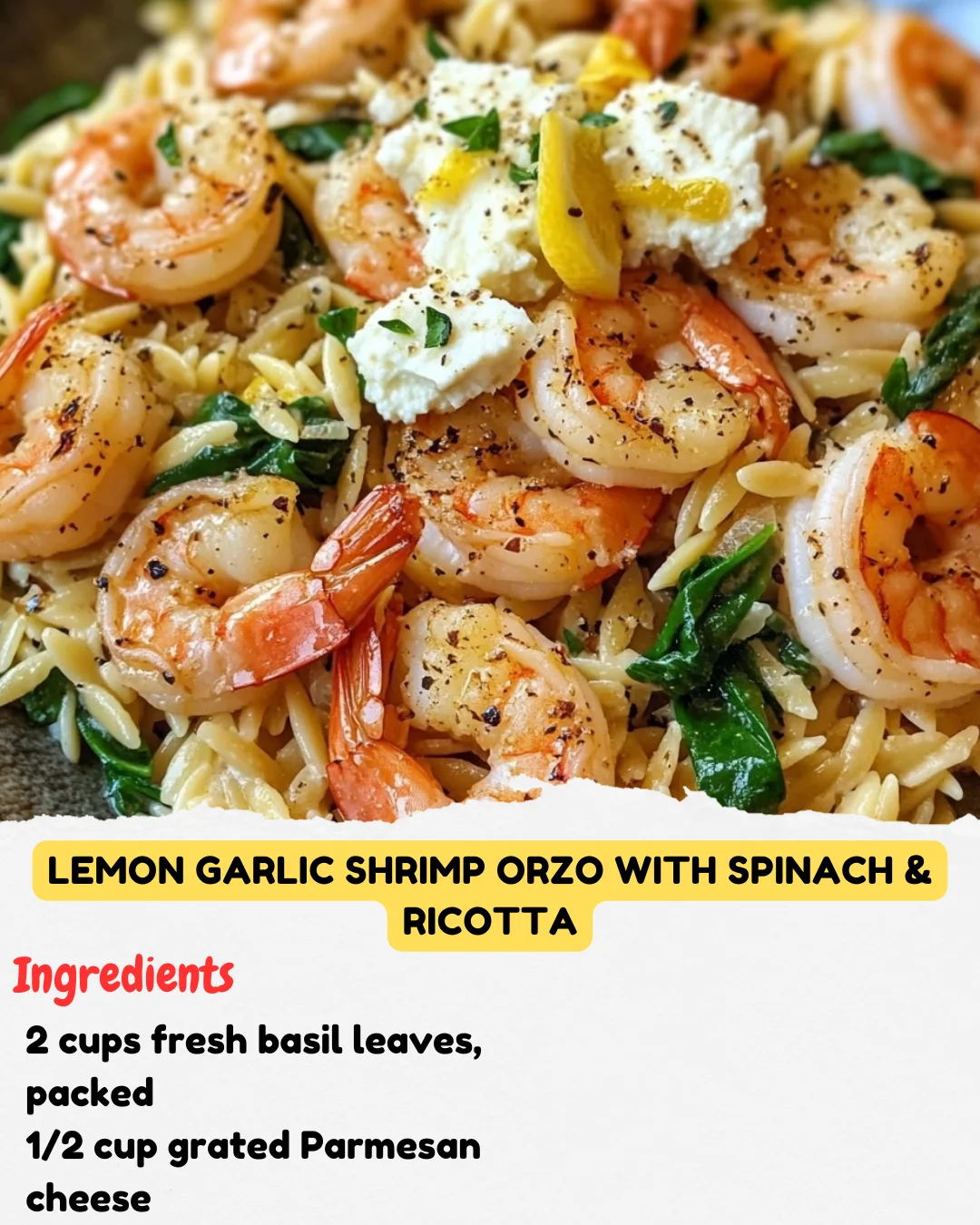
2 cups fresh basil leaves, packed
1/2 cup grated Parmesan cheese
1/3 cup pine nuts
2 cloves garlic, minced
1/2 cup extra virgin olive oil
1/2 teaspoon salt
1/4 teaspoon black pepper
1 teaspoon lemon juice (optional, for freshness)
Directions:
In a dry skillet over medium heat, lightly toast the pine nuts for about 2 minutes until golden and fragrant. Remove from heat and let cool.
In a food processor, combine the basil leaves, toasted pine nuts, minced garlic, and grated Parmesan cheese. Pulse a few times to break down the .
While the food processor is running, slowly drizzle in the olive oil until the mixture becomes smooth and well combined.
Add salt, black pepper, and lemon juice (if using). Pulse again to incorporate.
Taste and adjust seasoning as needed.
Transfer the pesto to a jar and store in the refrigerator for up to a week or freeze for longer storage.
Prep Time: 10 minutes
Cooking Time: 2 minutes
Total Time: 12 minutes
Kcal: 160 kcal per serving
Servings: 6
Step-by-Step Guide
Follow these detailed instructions for perfect pesto every time.
- Toast the Nuts: Place pine nuts in a dry skillet over medium heat. Stir constantly for 2-3 minutes until they are lightly golden and smell nutty. Transfer immediately to a plate to stop the cooking.
- Prepare Ingredients: Wash and thoroughly dry the basil leaves. Moisture will make your pesto spoil faster. Grate the Parmesan cheese and mince the garlic.
- Initial Pulse: In your food processor, combine the cooled pine nuts, basil leaves, Parmesan, and garlic. Pulse 5-7 times in short bursts until the ingredients are coarsely chopped.
- Emulsify with Oil: With the processor running on low, slowly pour the olive oil in a thin, steady stream through the feed tube. This gradual addition helps create a creamy, emulsified sauce.
- Final Seasoning: Stop the machine. Scrape down the sides with a spatula. Add the salt, pepper, and optional lemon juice. Process for another 10-15 seconds until just combined.
- Store Properly: To prevent browning, press plastic wrap directly onto the surface of the pesto in the jar before sealing. A thin layer of olive oil on top also creates an airtight seal.
Serving Suggestions
Classic pesto is incredibly versatile. Toss it with hot pasta (reserving a little pasta water to loosen the sauce) for a quick dinner. Spread it on sandwiches or flatbreads instead of mayo. Use it as a flavorful marinade for chicken or fish. Stir a spoonful into soups, scrambled eggs, or mashed potatoes for an instant flavor boost. For a simple appetizer, dollop it over fresh mozzarella and sliced tomatoes.
How-to Summary
Toast pine nuts, then blend with basil, Parmesan, and garlic in a food processor. While blending, slowly drizzle in olive oil to form a smooth sauce. Season with salt, pepper, and optional lemon juice. Store in an airtight container in the fridge.
Frequently Asked Questions
Can I use a different nut? Absolutely. Walnuts, almonds, or even cashews are excellent, more affordable substitutes for pine nuts.
Why did my pesto turn brown? Basil oxidizes quickly. The optional lemon juice helps slow this. Always store with plastic wrap touching the surface to minimize air exposure.
Can I make it without cheese for a vegan version? Yes. Omit the Parmesan and add a tablespoon of nutritional yeast for a cheesy flavor, or simply enjoy the herby, nutty base.
How long does homemade pesto last? In a sealed jar in the refrigerator, it will keep for about 5-7 days. For longer storage, freeze it in an ice cube tray for easy portioning.
Is there a substitute for a food processor? A mortar and pestle is the traditional tool and creates a wonderfully textured sauce. A high-powered blender also works, though you may need to scrape the sides more often.
Common Mistakes to Avoid
- Using a Blender First: For small batches, a blender’s large jar may not properly chop the ingredients. A food processor is better suited.
- Adding Oil Too Fast: Drizzling the oil slowly is crucial for emulsification. Pouring it all in at once can result in a separated, oily pesto.
- Not Drying the Basil: Any residual water on the leaves will dilute the flavor and cause the pesto to spoil more quickly.
- Over-processing: Pulsing and processing in short bursts is key. Over-blending can heat and bruise the basil, turning it dark and bitter.
- Skipping the Toast: Toasting the nuts is a non-negotiable step. It unlocks deep, essential oils and flavors that raw nuts simply cannot provide.
Conclusion
Homemade basil pesto is a vibrant, flavorful cornerstone of simple cooking that far surpasses anything from a jar. With just a few fresh ingredients and minutes of effort, you can create a versatile sauce that elevates countless dishes. Mastering the technique of toasting nuts, emulsifying with oil, and proper storage ensures a bright, herbaceous, and restaurant-quality result every time. Embrace this classic recipe as a gateway to exploring endless variations in your own kitchen.