























































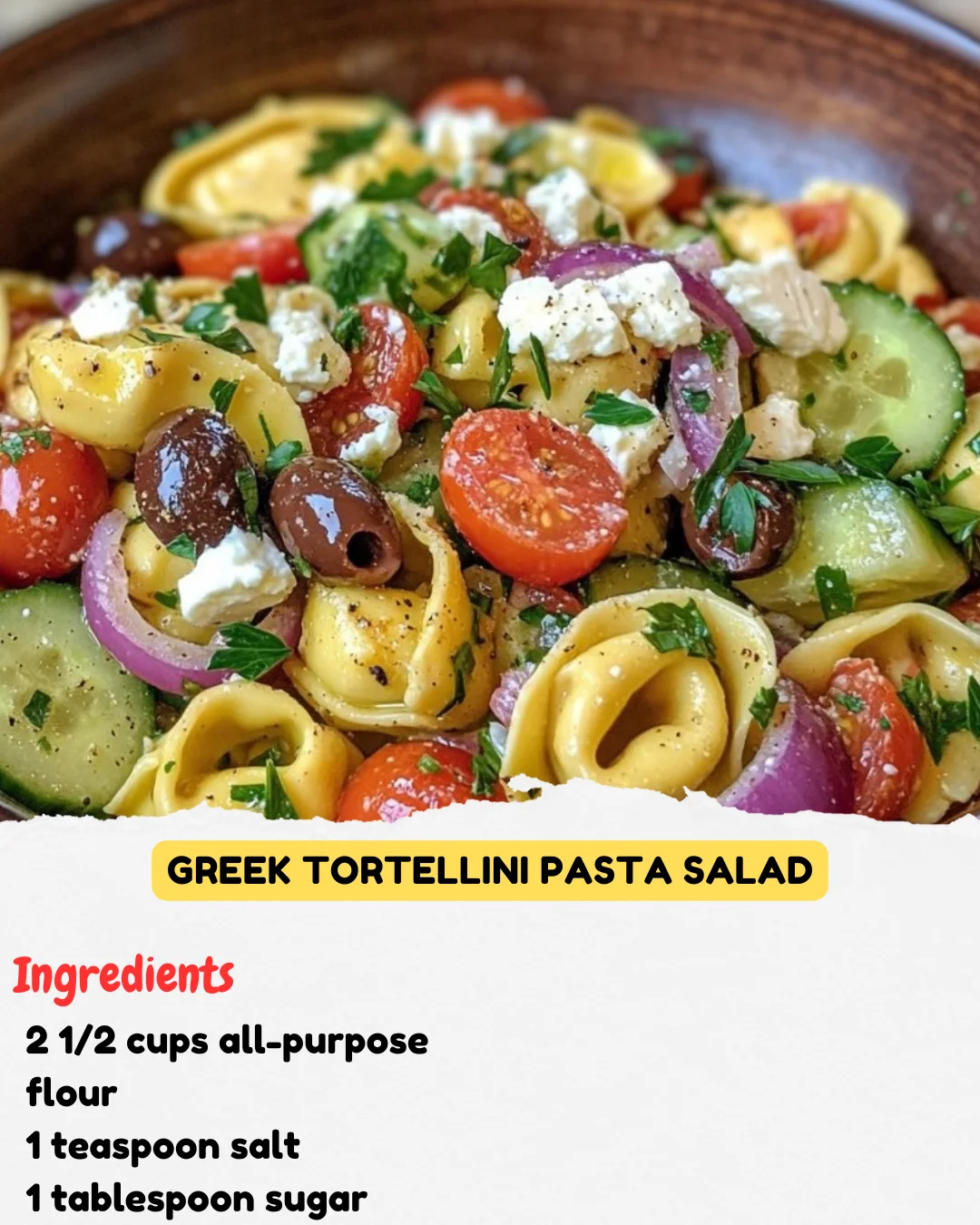
Description
2 1/2 cups all-purpose flour
1 teaspoon salt
1 tablespoon sugar
2 teaspoons active dry yeast
1 cup warm water
1/4 cup olive oil (plus extra for brushing)
1 teaspoon nigella seeds (optional, for garnish)
1 tablespoon fresh parsley, chopped (optional, for garnish)
Directions:
In a large bowl, combine the flour, salt, sugar, and active dry yeast. Mix well.
Gradually add the warm water and olive oil, stirring until a dough forms.
Knead the dough on a floured surface for about 5-7 minutes, or until smooth and elastic. If the dough is sticky, add a little more flour as needed.
Place the dough in a lightly oiled bowl, cover with a clean kitchen towel, and let it rise in a warm place for 1 hour, or until doubled in size.
Preheat your oven to 475°F (245°C) and line a baking sheet with parchment paper.
Once the dough has risen, punch it down and divide it into 4 equal portions. Roll each portion into a flat, round disk, about 1/4 inch thick.
Place the flattened dough onto the prepared baking sheet. Brush the tops lightly with olive oil and sprinkle with nigella seeds if using.
Bake the flatbreads in the preheated oven for 8-10 minutes, or until golden and slightly puffed.
Remove from the oven and let cool for a few minutes. Garnish with chopped parsley if desired before serving.
Prep Time: 10 minutes
Cooking Time: 10 minutes
Total Time: 1 hour 20 minutes
Kcal: 150 kcal per flatbread
Servings: 4 flatbreads
Step-by-Step Guide
Follow these detailed instructions for perfect flatbreads every time. First, ensure your water is warm (around 110°F/43°C) to properly activate the yeast without killing it. Combine the dry ingredients in your bowl, then create a well in the center for the wet ingredients. As you mix, the dough will become shaggy. Turn it out onto a floured surface and knead using the heel of your hand, pushing away from you, then folding it back. The dough is ready when it springs back slowly after being poked. During the rise, a warm, draft-free spot is key—inside an oven with just the light on works perfectly. When dividing and rolling, aim for even thickness to ensure uniform baking.
Serving Suggestions
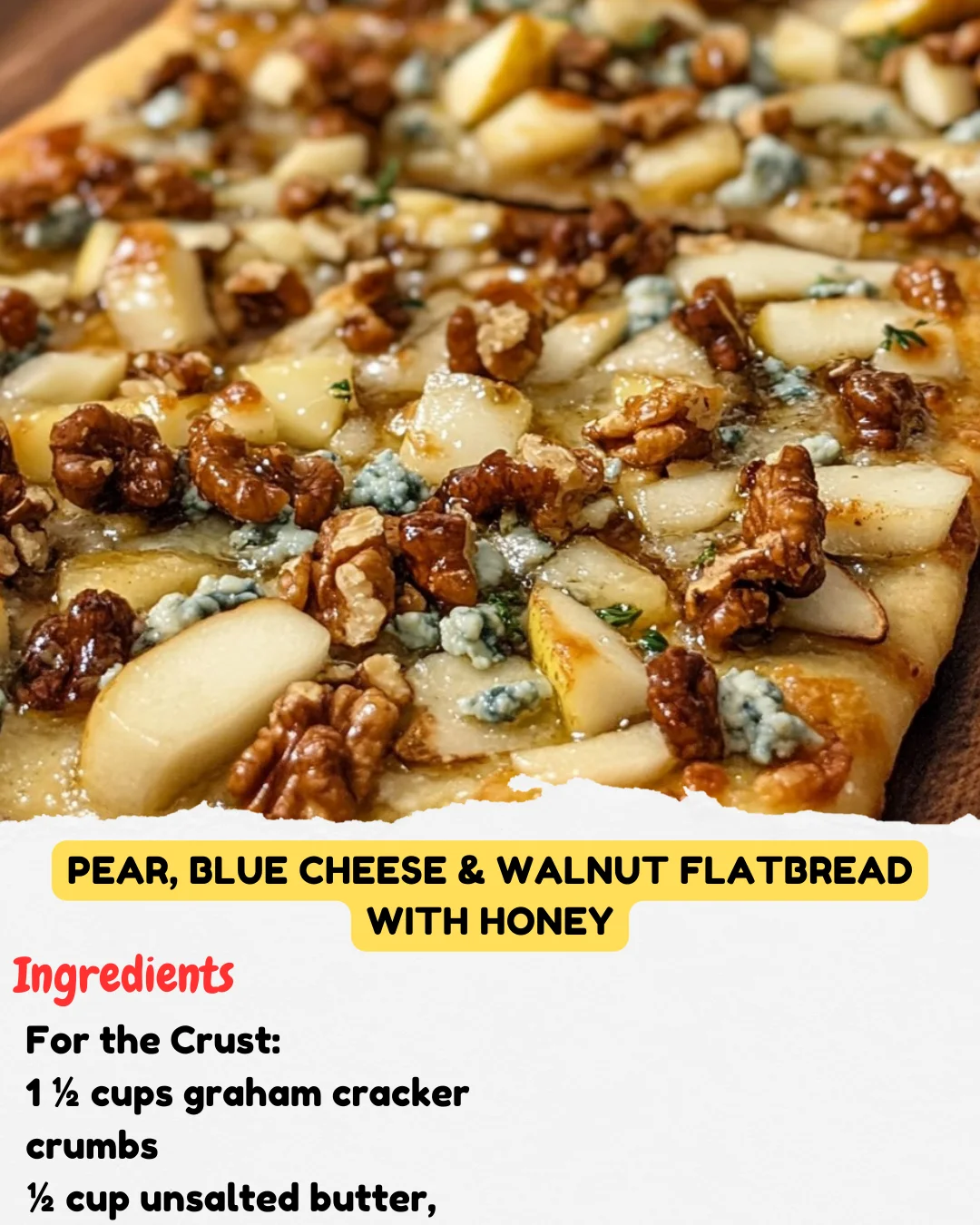
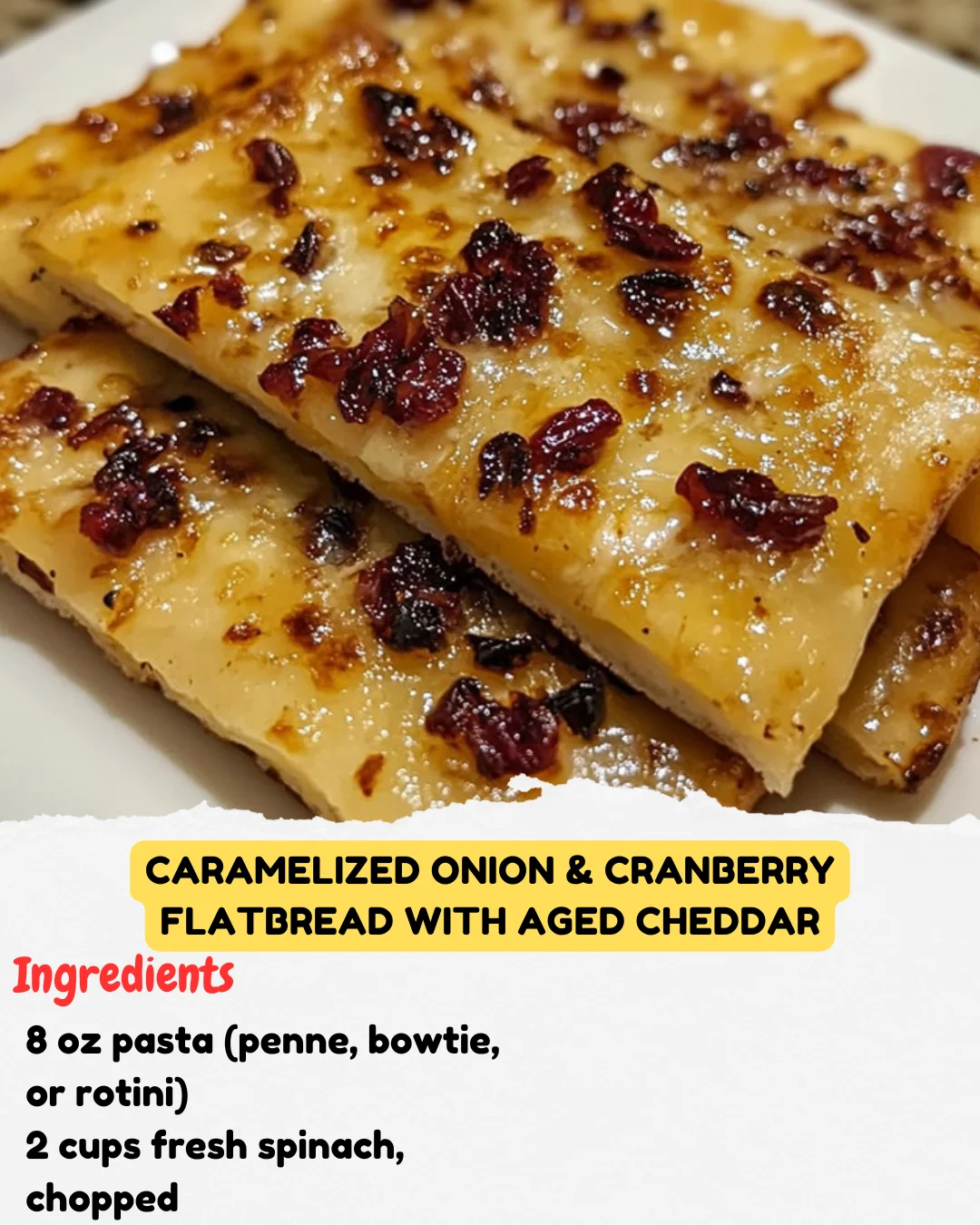
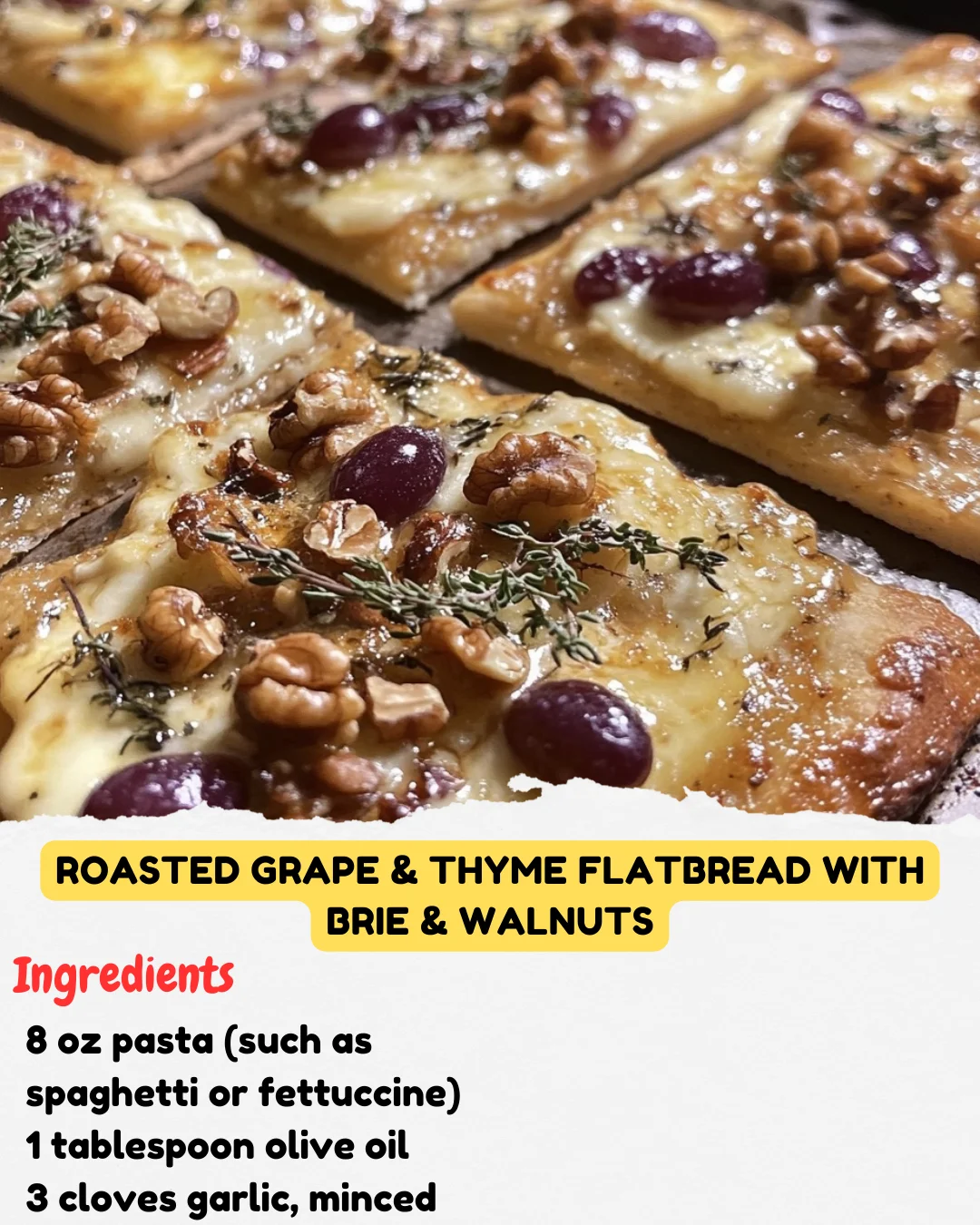
This versatile flatbread is a fantastic base for countless meals. Serve it warm as a side to soups, stews, or curries to soak up flavorful sauces. Use it as a soft wrap for grilled meats, falafel, or fresh vegetables with hummus and tzatziki. For a simple appetizer, drizzle with high-quality olive oil, a sprinkle of sea salt, and fresh herbs. You can also top it like a pizza with tomato sauce, cheese, and your favorite toppings before baking.
How-to Summary
In short: Mix dry ingredients, add warm water and oil to form a dough. Knead for 5-7 minutes until elastic. Let the dough rise in an oiled bowl for 1 hour until doubled. Punch down, divide into 4 balls, and roll into 1/4-inch thick rounds. Brush with oil, optionally add seeds, and bake at 475°F for 8-10 minutes until golden.
Frequently Asked Questions
Can I make the dough ahead of time? Yes. After the first rise, punch it down, place it in an airtight container, and refrigerate for up to 24 hours. Let it come to room temperature for 30 minutes before shaping and baking.
My dough didn’t rise. What went wrong? The most common culprits are expired yeast or water that was too hot (which kills yeast) or too cold (which doesn’t activate it). Ensure your water is just warm to the touch.
Can I cook these on the stovetop? Absolutely. Heat a cast-iron skillet or griddle over medium-high heat. Cook each flatbread for 2-3 minutes per side until puffed and charred in spots.
How do I store leftover flatbreads? Store cooled flatbreads in a plastic bag at room temperature for 2 days. Reheat in a toaster or warm oven. They also freeze well for up to 3 months.
Can I use whole wheat flour? You can substitute up to half of the all-purpose flour with whole wheat. Note that the bread may be slightly denser and you may need a touch more water.
Common Mistakes to Avoid
- Using boiling or cold water for the yeast, which will prevent a proper rise.
- Over-flouring the dough during kneading, resulting in a tough, dry bread.
- Not letting the oven fully preheat. A very hot oven is crucial for the signature puff and golden color.
- Rolling the dough unevenly, leading to some parts baking faster than others.
- Overbaking, which makes the flatbread hard and brittle instead of soft and pliable.
Conclusion
Homemade flatbread is surprisingly simple to master and far superior to store-bought versions. With just a few basic ingredients and a little patience for the rise, you can create warm, soft, and flavorful bread that will elevate any meal. Experiment with different garnishes like sesame seeds, za’atar, or garlic powder to make it your own. Once you try this fresh-from-the-oven flatbread, it’s sure to become a regular in your kitchen repertoire.