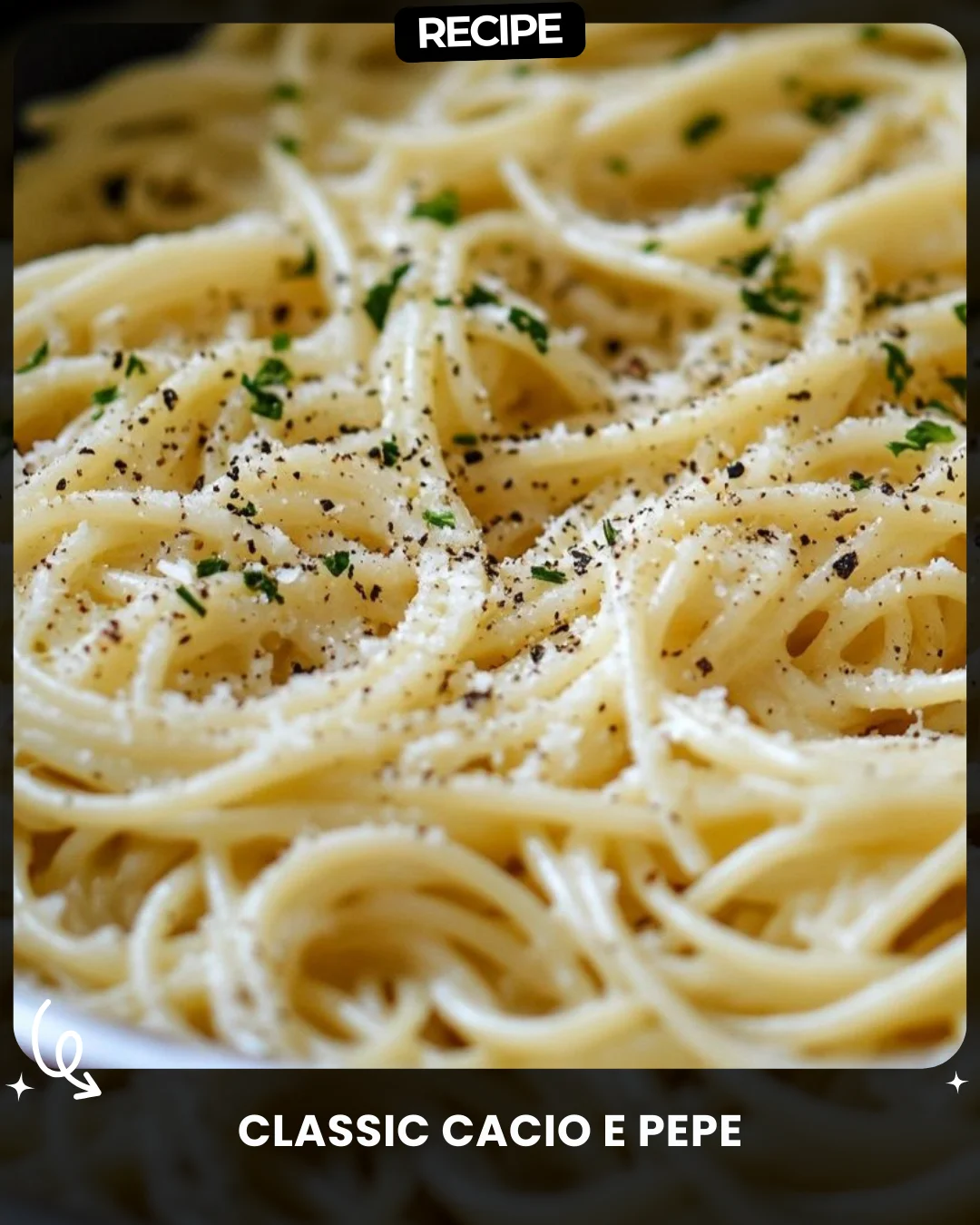
Description
Classic Cacio e Pepe
A Simple and Delicious Italian Pasta Dish
Ingredients:
12 oz spaghetti
1 cup Pecorino Romano cheese, finely grated
2 teaspoons freshly ground black pepper
1/4 cup unsalted butter (optional, for creaminess)
Salt (for pasta water)
Fresh parsley (optional, for garnish)
Directions:
1. Cook the pasta:
Bring a large pot of salted water to a boil. Add the spaghetti and cook until al dente, according to package instructions. Reserve 1 cup of pasta water before draining.
2. Prepare the sauce:
In a large skillet, toast the black pepper over medium heat for 1 minute, or until fragrant.
Add 1/2 cup of the reserved pasta water to the skillet and simmer. If using butter, stir it in at this stage for a creamier sauce.
3. Combine pasta and sauce:
Add the cooked spaghetti to the skillet and toss to coat in the peppery water.
Remove from heat and gradually add the grated Pecorino Romano, tossing continuously to create a creamy sauce. Add more pasta water as needed to achieve the desired consistency.
4. Serve:
Plate the pasta and sprinkle with extra cheese and parsley if desired. Serve immediately while hot.
Prep Time: 5 minutes | Cooking Time: 15 minutes | Total Time: 20 minutes
Kcal: 400 kcal per serving | Servings: 4
#cacioepepe #italianrecipes #quickpasta #classics #easyrecipes #pasta #homemadeitalian #comfortfood
Step-by-Step Guide
1. Boil the Water: Fill a large pot with water, add a generous amount of salt, and bring to a rolling boil. The water should taste like the sea.
2. Toast the Pepper: While the water heats, place a large skillet over medium heat. Add the freshly ground black pepper and toast for about 60 seconds until fragrant. This unlocks the pepper’s oils and flavor.
3. Cook the Pasta: Add the spaghetti to the boiling water. Cook until al dente. Just before draining, carefully scoop out 1 cup of the starchy pasta water.
4. Create the Emulsion: Add 1/2 cup of the reserved pasta water to the skillet with the toasted pepper. Let it simmer for a moment. If using, stir in the butter until melted.
5. Combine and Cheese: Add the drained pasta directly to the skillet. Toss to coat. Remove the skillet from the heat. Gradually add the grated Pecorino Romano, tossing vigorously and adding splashes of the remaining pasta water until a smooth, creamy sauce forms and clings to the pasta.
Serving Suggestions
Serve Cacio e Pepe immediately in warm bowls. A final crack of black pepper and a light sprinkle of extra Pecorino Romano on top is essential. For a touch of color, garnish with finely chopped fresh parsley. This rich dish pairs beautifully with a simple arugula salad dressed with lemon juice and olive oil, and a glass of crisp white wine like Frascati or Vermentino.
How-to Summary
To make perfect Cacio e Pepe: toast black pepper, cook spaghetti al dente and reserve its starchy water, create a sauce base in a skillet with the water and pepper, then toss the pasta off the heat while gradually adding finely grated Pecorino Romano to form a creamy, emulsified sauce.
Frequently Asked Questions
Can I use Parmesan instead of Pecorino Romano? While Parmesan can be used, Pecorino Romano is traditional and provides a sharper, saltier, sheep’s-milk flavor that defines the dish. For best results, use Pecorino.
Why did my cheese clump into a greasy mess? This happens if the skillet is too hot when adding the cheese. Always remove the pan from the heat before adding the cheese. The residual heat and starchy pasta water are key to a smooth emulsion.
Is the butter necessary? No, the classic Roman version uses only pasta water, cheese, and pepper. Butter is a modern addition for extra creaminess and to help stabilize the sauce for beginners.
How can I make it creamier? The creaminess comes from the emulsion of cheese, starch, and water. Use more of the reserved pasta water and toss vigorously. Adding the cheese off the heat is crucial.
Can I add other ingredients? Authentic Cacio e Pepe is a minimalist dish. Adding garlic, cream, or olive oil moves it into a different recipe category, though they can be delicious variations.
Common Mistakes to Avoid
- Using pre-grated cheese: It contains anti-caking agents that prevent proper melting. Always grate your cheese fresh from a block.
- Skipping the pepper toast: Toasting the pepper is non-negotiable for deepening its flavor.
- Not reserving enough pasta water: This starchy liquid is the magic binder for the sauce. Always save at least one cup.
- Adding cheese over high heat: High heat will cause the cheese to seize and become oily. Always take the skillet off the burner.
- Using insufficiently salted water: This is your only chance to season the pasta itself, so salt the boiling water generously.
Conclusion
Mastering Cacio e Pepe is a rewarding lesson in Italian culinary simplicity. Its perfection lies in the technique of emulsification, turning just three core ingredients into a luxurious, creamy pasta. By toasting your pepper, using fresh cheese, and harnessing the power of starchy pasta water off the heat, you can create this Roman classic with confidence. It’s a testament to how the finest dishes often come from the humblest, highest-quality ingredients treated with respect.