Description
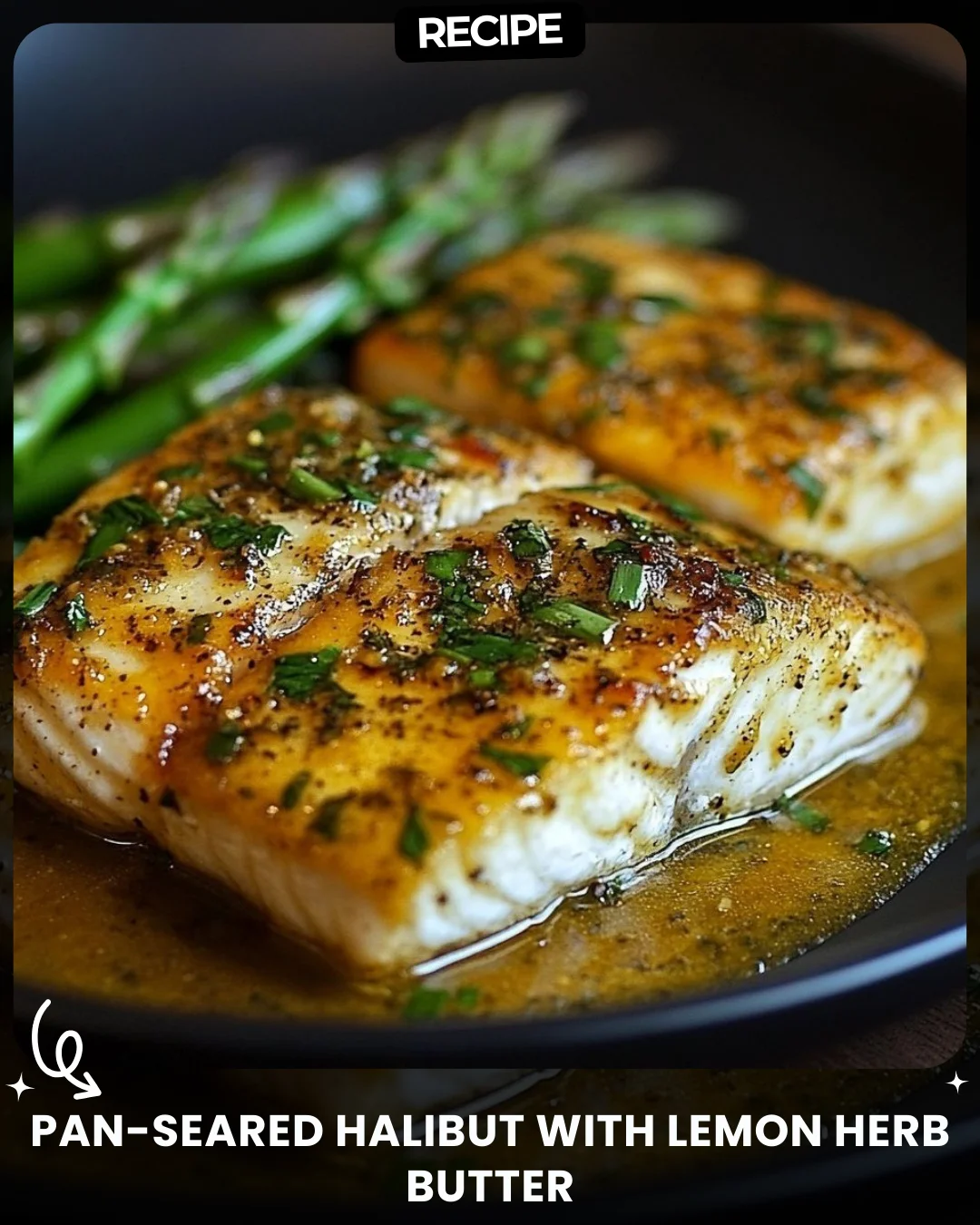
Pan-Seared Halibut with Lemon Herb Butter
Ingredients:
2 halibut fillets (6 oz each)
2 tbsp olive oil
3 tbsp unsalted butter
2 garlic cloves, minced
2 tbsp freshly squeezed lemon juice
1 tsp lemon zest
1 tbsp chopped fresh parsley
1 tbsp chopped fresh chives
Salt and black pepper to taste
Instructions:
1. Prepare the Halibut:
Pat the halibut fillets dry with paper towels. Season both sides with salt and black pepper.
2. Heat the Pan:
Heat the olive oil in a large skillet over medium-high heat until shimmering.
3. Sear the Halibut:
Place the fillets in the pan, skin-side down (if applicable). Cook for 3-4 minutes without moving until the bottom is golden brown and the fish releases easily from the pan. Flip and cook for another 3-4 minutes until fully cooked. Transfer to a plate and keep warm.
4. Prepare the Lemon Herb Butter:
In the same pan, reduce the heat to medium and add the butter. Once melted, stir in the minced garlic and cook for 1 minute until fragrant.
Add the lemon juice, lemon zest, parsley, and chives. Stir to combine.
5. Serve:
Spoon the lemon herb butter over the halibut fillets. Serve immediately with your favorite sides, such as steamed asparagus or rice.
Step-by-Step Guide
For perfect pan-seared halibut, follow these detailed steps. First, ensure your fillets are dry; moisture is the enemy of a good sear. Use a heavy-bottomed skillet (like cast iron or stainless steel) for even heat distribution. Heat the oil until it shimmers but does not smoke. Gently lay the fillets away from you to avoid oil splatter. Do not touch them for the full 3-4 minutes to build a proper crust. To test doneness, the fish should flake easily with a fork and have an internal temperature of 130-135°F. For the sauce, work quickly after removing the fish to prevent the garlic from burning.
Serving Suggestions
This elegant yet simple dish pairs beautifully with a variety of sides. For a light meal, serve with steamed asparagus, roasted broccolini, or a crisp arugula salad. For something more substantial, consider lemon-herb rice, creamy polenta, or roasted baby potatoes. A glass of crisp Sauvignon Blanc or Pinot Grigio complements the lemon and herbs perfectly.
How-to Summary
Dry and season halibut fillets. Sear in hot oil for 3-4 minutes per side until golden and cooked through. Remove fish. In the same pan, make a sauce by melting butter, sautéing garlic, and adding lemon juice, zest, and fresh herbs. Spoon the sauce over the fish and serve immediately.
Frequently Asked Questions
Can I use frozen halibut? Yes, but it must be fully thawed in the refrigerator and patted extremely dry to avoid steaming.
What if my fish sticks to the pan? This means the pan wasn’t hot enough or you moved the fish too soon. Ensure the oil is shimmering and let the fish sear undisturbed to form a release layer.
Can I substitute other herbs? Absolutely. Dill, tarragon, or basil work wonderfully. Use about 1 tablespoon total of fresh herbs.
How do I know when the halibut is done? The fish will turn opaque and flake easily. Using a thermometer, aim for 130-135°F in the thickest part.
Can I make the sauce ahead of time? You can mix the lemon juice, zest, and herbs ahead, but cook the sauce fresh for the best flavor and texture.
Common Mistakes to Avoid
- Not drying the fish thoroughly, leading to a poor sear and steaming.
- Using a pan that’s not hot enough, causing the fish to stick.
- Overcrowding the pan, which lowers the temperature and steams the fish.
- Overcooking the halibut, making it dry. It continues to cook slightly after removal from the pan.
- Burning the garlic in the sauce by using too high heat after searing.
Conclusion
Pan-Seared Halibut with Lemon Herb Butter is a restaurant-quality dish that is deceptively simple to master at home. The key lies in a hot sear for a perfect crust and a quick, flavorful pan sauce. By following the detailed steps and avoiding common pitfalls, you can create a healthy, impressive, and delicious meal in under 30 minutes. This recipe is a timeless technique that will elevate any firm white fish fillet.