Description
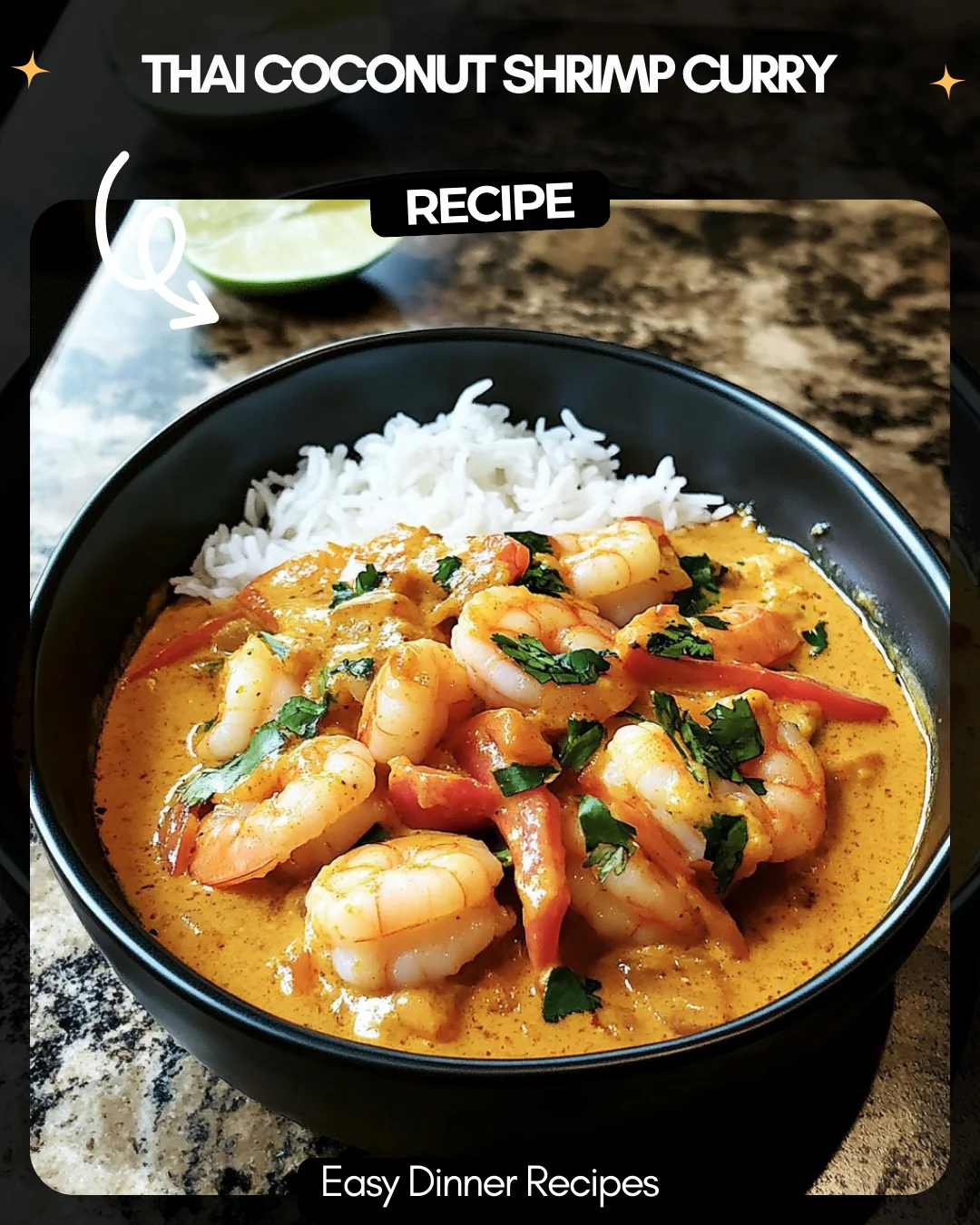
Thai Coconut Shrimp Curry
Travel to Thailand with every bite! This Thai Coconut Shrimp Curry is a symphony of flavors: juicy shrimp, creamy coconut sauce, and a gentle kick from red curry paste. The mix of bell pepper, aromatic spices, and fresh herbs makes it a dish that’s both comforting and delightfully complex. Perfect for a quick weeknight dinner or a cozy evening meal with friends!
1 lb shrimp, peeled & deveined
1 tsp soy sauce
½ tsp red pepper flakes
½ tsp turmeric
1 tbsp vegetable oil
1 tbsp butter
1 bell pepper, sliced
4 garlic cloves, grated
1 tbsp ginger, grated
1 shallot, chopped
½ cup broth
3 tbsp red curry paste
2 tbsp soy sauce
1 can coconut milk
Juice of ½ lime
Thai basil & cilantro to garnish
Directions:
1. Sear shrimp, set aside.
2. Cook bell pepper, garlic, ginger, shallot. Add curry paste, broth, and spices.
3. Add coconut milk, bring to boil. Simmer until thick.
4. Toss in shrimp, finish with lime juice & herbs.
Prep Time: 30 mins
Kcal: 191 per serving
Step-by-Step Guide
Follow these detailed instructions for a perfect curry.
- Marinate the Shrimp: In a bowl, combine the shrimp with 1 tsp soy sauce, red pepper flakes, and turmeric. Toss to coat and set aside for 10 minutes.
- Sear the Shrimp: Heat the vegetable oil in a large skillet or wok over medium-high heat. Add the shrimp in a single layer and sear for 1-2 minutes per side until just pink. Remove and set aside on a plate.
- Build the Aromatics: In the same pan, melt the butter. Add the sliced bell pepper and chopped shallot. Sauté for 4-5 minutes until softened. Add the grated garlic and ginger, cooking for another minute until fragrant.
- Bloom the Curry Paste: Add the red curry paste to the pan and stir constantly for 1 minute to “bloom” it, releasing its oils and depth of flavor.
- Create the Sauce Base: Pour in the broth and 2 tbsp soy sauce, scraping up any browned bits from the pan. Stir well to combine.
- Add Coconut Milk & Simmer: Pour in the full can of coconut milk. Bring the sauce to a gentle boil, then reduce heat to a simmer. Let it cook for 8-10 minutes, stirring occasionally, until slightly thickened.
- Finish the Dish: Return the seared shrimp to the pan, stirring to coat and heat through for 1-2 minutes. Remove from heat. Stir in the fresh lime juice.
- Garnish and Serve: Ladle the curry into bowls and garnish generously with chopped Thai basil and cilantro.
Serving Suggestions
This versatile curry pairs beautifully with several sides. For a classic presentation, serve it over steamed jasmine rice or fluffy quinoa to soak up the creamy sauce. For a lower-carb option, try cauliflower rice or zucchini noodles. A side of quick-pickled vegetables or a simple cucumber salad adds a refreshing, crunchy contrast.
How-to Summary
Marinate and sear shrimp. Sauté peppers, shallot, garlic, and ginger. Bloom red curry paste in the pan. Add broth, soy sauce, and coconut milk, then simmer to thicken. Return shrimp to warm through, finish with lime juice and fresh herbs.
Frequently Asked Questions
Can I use a different protein? Absolutely. Chicken (cut into bite-sized pieces) or firm tofu are excellent substitutes. Adjust cooking times accordingly.
My curry is too spicy. How can I fix it? Balance the heat by stirring in a teaspoon of sugar or honey and a bit more coconut milk. Serve with extra lime wedges; the acidity helps cut the spice.
Can I make this ahead of time? Yes, you can prepare the sauce (through step 6) 1-2 days in advance. Store it separately from the seared shrimp. Reheat the sauce gently, then add the shrimp to warm through just before serving.
What’s the best red curry paste to use? For authentic flavor, seek out Thai brands like Maesri or Mae Ploy, available in most Asian grocery stores or online.
Is fish sauce necessary? While not in this recipe, adding 1-2 teaspoons of fish sauce along with the soy sauce will provide a more complex, traditional umami depth.
Common Mistakes to Avoid
- Overcooking the Shrimp: Sear shrimp quickly and set aside. Adding them back at the end prevents them from becoming tough and rubbery.
- Skipping the “Blooming”: Frying the curry paste for a minute before adding liquids is crucial for unlocking its full flavor.
- Using “Light” Coconut Milk: Full-fat coconut milk provides the essential creamy, rich texture and body for the sauce.
- Adding Herbs Too Early: Delicate herbs like basil and cilantro should always be a fresh garnish added at the end to preserve their bright flavor and color.
Conclusion
This Thai Coconut Shrimp Curry is a stunning, restaurant-quality dish that is deceptively simple to make at home. By following the detailed steps and avoiding common pitfalls, you’ll create a beautifully balanced meal with layers of creamy, spicy, and aromatic flavors. It’s a guaranteed way to bring the vibrant taste of Thailand to your dinner table any night of the week.