Description
How to Cook Halloumi Cheese
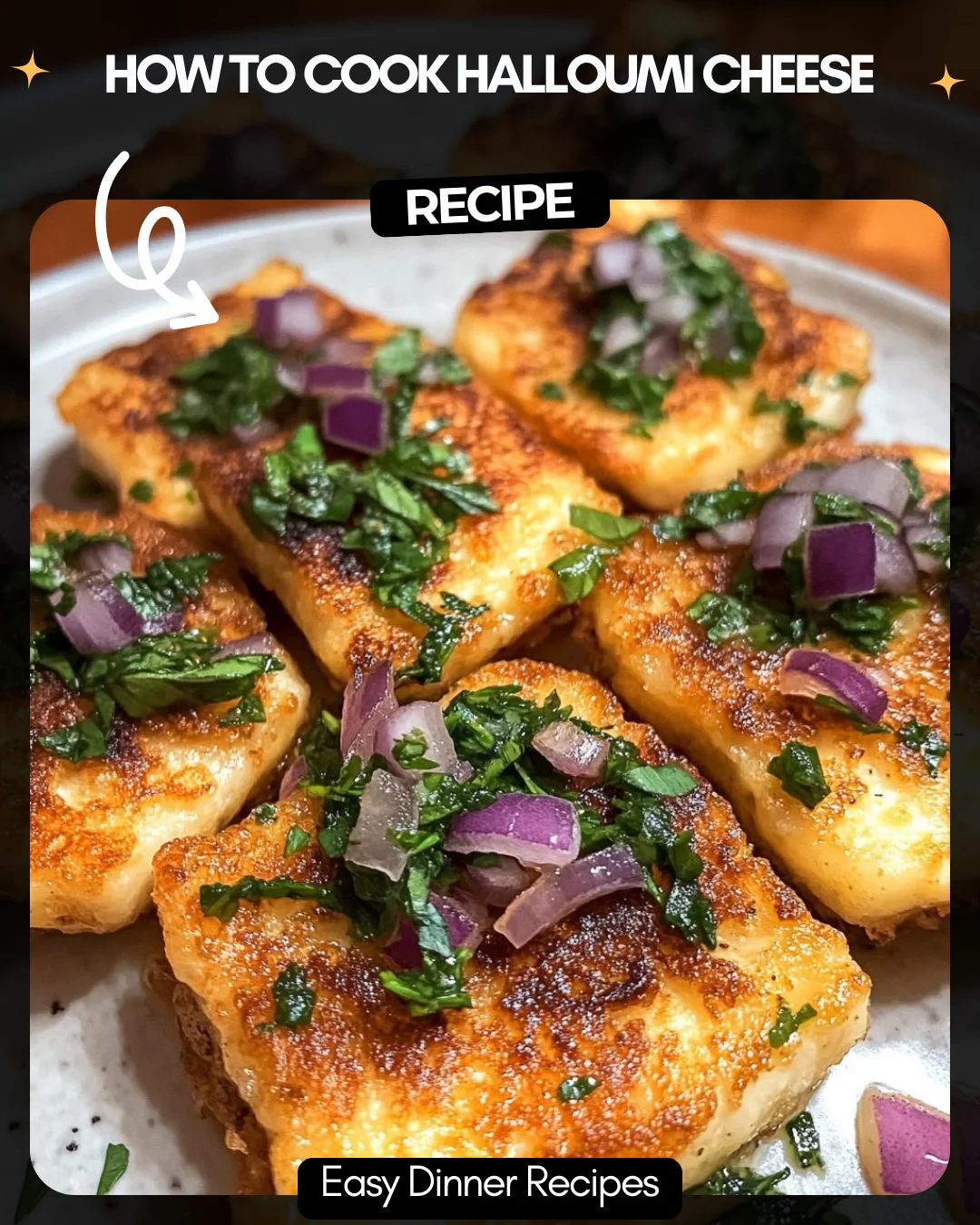
Halloumi cheese, a Mediterranean favorite, is known for its firm texture and salty flavor. Perfect for keto and low-carb diets, this versatile cheese becomes golden and crispy when pan-seared, creating a delightful contrast with its chewy interior. Traditionally paired with fresh herbs or a drizzle of lemon juice, it’s an appetizer that shines in any setting. Whether as a snack or a salad topping, halloumi always delivers on flavor and simplicity.
1 lb halloumi cheese, sliced ¼ inch thick
3 tbsp olive oil
Directions:
1. Slice halloumi into even pieces, ensuring they are not too thin.
2. Heat olive oil in a non-stick skillet over medium heat.
3. Add halloumi slices and cook for 2-3 minutes on each side until golden and crispy.
4. Serve immediately with your favorite sauce or a squeeze of lemon.
Prep Time: 8 minutes
Kcal: 90 per serving
Step-by-Step Guide
Follow these detailed instructions for perfect pan-seared halloumi every time.
- Prepare the Cheese: Remove the halloumi from its brine and pat it completely dry with paper towels. This step is crucial for achieving a good sear.
- Slice Evenly: Using a sharp knife, slice the block into pieces approximately 1/4-inch thick. Even thickness ensures uniform cooking.
- Heat the Pan: Place a non-stick or well-seasoned cast-iron skillet over medium heat. Add a high-heat oil like olive or avocado oil and let it get hot, but not smoking.
- Cook the First Side: Carefully add the halloumi slices in a single layer, ensuring they aren’t crowded. Let them cook undisturbed for 2-3 minutes until a deep golden-brown crust forms.
- Flip and Finish: Use a thin spatula to flip each slice. Cook for another 1-2 minutes on the second side until golden and slightly softened in the center.
- Drain and Serve: Immediately transfer the cooked halloumi to a plate lined with a paper towel to absorb excess oil. Serve right away while hot and crispy.
Serving Suggestions
Pan-seared halloumi is incredibly versatile. Serve it as a standalone appetizer with a wedge of lemon and a sprinkle of fresh oregano or za’atar. Crumble it over a fresh Greek salad or a bowl of roasted vegetables. For a hearty meal, place slices inside a pita or wrap with hummus, cucumber, and tomato. It also makes a fantastic vegetarian burger patty or a topping for grain bowls.
How-to Summary
To cook halloumi, slice it 1/4-inch thick, pat dry, and pan-sear in hot oil for 2-3 minutes per side until golden brown. Serve immediately.
Frequently Asked Questions
Can you grill halloumi? Absolutely. Grilling over medium heat gives it beautiful char marks. Just oil the grates well to prevent sticking.
Why didn’t my halloumi get crispy? The most common reason is not patting the cheese dry before cooking, or the pan wasn’t hot enough. Ensure both for optimal crispness.
Is halloumi healthy? It is high in protein and calcium but also high in sodium and saturated fat. Enjoy it in moderation as part of a balanced diet.
Can I bake halloumi instead of frying? Yes. Arrange slices on a parchment-lined baking sheet and bake at 400°F (200°C) for 10-15 minutes, flipping halfway, until golden.
How do I store and reheat leftovers? Store cooled halloumi in an airtight container in the fridge for up to 3 days. Reheat in a dry skillet over medium heat to restore some crispiness.
Common Mistakes to Avoid
- Skipping the Dry Step: Failing to pat the cheese dry leads to steaming instead of searing.
- Using Too High Heat: This can cause the outside to burn before the inside softens. Medium heat is ideal.
- Crowding the Pan: Overlapping slices steam each other. Cook in batches if necessary.
- Moving the Cheese Too Soon: Let it develop a full crust before attempting to flip, or it may stick.
- Letting it Sit Before Serving: Halloumi is best eaten immediately, as it becomes rubbery as it cools.
Conclusion
Mastering how to cook halloumi cheese unlocks a world of simple, satisfying meals. Its unique ability to hold its shape under heat while developing a savory, crispy exterior makes it a standout ingredient. By following the detailed guide and avoiding common pitfalls, you can consistently create a delicious, protein-rich component perfect for snacks, salads, and main dishes. Embrace its versatility and enjoy this Mediterranean treasure.