Description
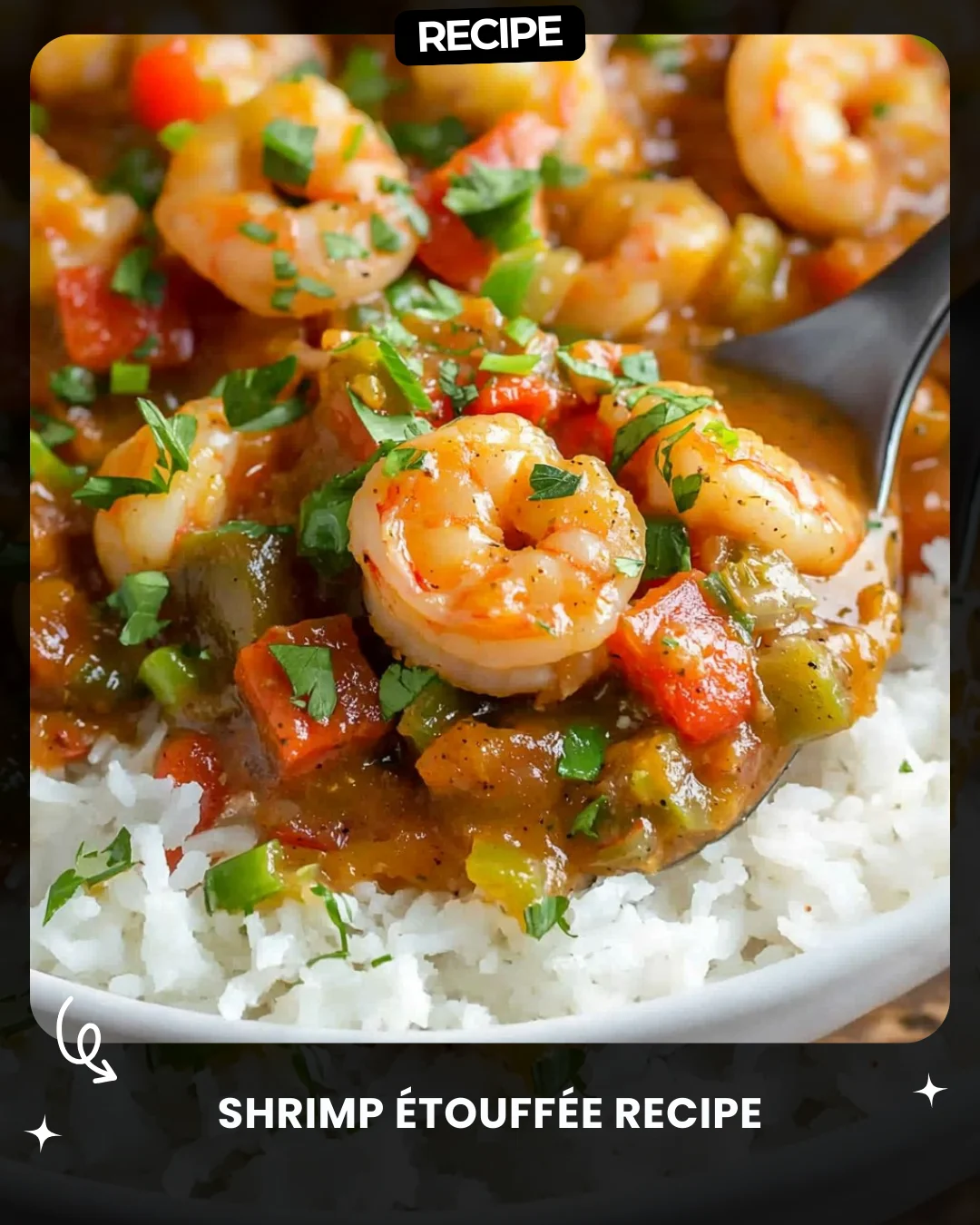
Shrimp Étouffée Recipe
Ingredients:
1 lb shrimp (peeled and deveined)
4 tbsp butter
1 onion, finely chopped
1 bell pepper (green or red), diced
2 stalks celery, diced
3 cloves garlic, minced
2 tbsp flour
1 can (14.5 oz) diced tomatoes (optional)
2 cups seafood or chicken broth
2 tsp Cajun seasoning
1 tsp paprika
1 tsp thyme
Salt and pepper to taste
2 tbsp parsley, chopped (for garnish)
Cooked white rice, for serving
Instructions:
Make the Roux:
In a large skillet, melt the butter over medium heat.
Whisk in the flour and cook, stirring constantly, until it turns a light brown color (about 5 minutes).
Cook the Vegetables:
Add the onion, bell pepper, celery, and garlic to the roux.
Cook until softened, about 5-7 minutes.
Add Seasonings and Broth:
Stir in Cajun seasoning, paprika, thyme, salt, and pepper.
Gradually pour in the broth (and diced tomatoes if using), stirring well.
Simmer for 10-15 minutes until the sauce thickens.
Add the Shrimp:
Stir in the shrimp and cook for 3-5 minutes until pink and cooked through.
Serve:
Spoon the étouffée over hot white rice.
Garnish with fresh parsley.
A bold, flavorful Cajun classic!
#ShrimpEtouffee #CajunCuisine #ComfortFood
Step-by-Step Guide
Follow this detailed guide for a foolproof Shrimp Étouffée. First, ensure all vegetables are prepped (the “Holy Trinity” of onion, bell pepper, and celery is key). For the roux, use a heavy-bottomed skillet or Dutch oven. Melt butter over medium heat, then whisk in flour. The critical step is constant stirring for 5-7 minutes until it reaches a peanut butter or light brown color—this builds the foundational flavor. Do not walk away, as it can burn quickly. Add the vegetables directly to the hot roux; this stops the cooking and softens them. After adding broth and seasonings, let the sauce simmer and reduce to a gravy-like consistency before introducing the shrimp. This ensures the sauce is robust enough to coat them perfectly.
Serving Suggestions
While classic white rice is traditional, consider these alternatives for a complete meal. Serve over creamy stone-ground grits or cauliflower rice for a low-carb option. A side of crusty French bread is essential for sopping up the rich sauce. For vegetable sides, a simple green salad with a bright vinaigrette or sautéed green beans helps balance the dish’s richness. A sprinkle of sliced green onions or a dash of hot sauce on the table allows guests to customize their bowl.
How-to Summary
In brief: Make a light brown roux with butter and flour. Sauté the “Holy Trinity” (onion, bell pepper, celery) and garlic in the roux. Add Cajun seasonings, broth, and optional tomatoes, then simmer to thicken. Finally, cook raw shrimp in the hot sauce for 3-5 minutes until pink. Serve immediately over rice with parsley garnish.
Frequently Asked Questions
Can I make this ahead of time? Yes, but with caution. Prepare the sauce completely (through the simmering step) and refrigerate for up to 2 days. Reheat the sauce gently, then add the raw shrimp just before serving to prevent overcooking.
What can I use instead of shrimp? Crawfish tails are the classic alternative. For a chicken étouffée, use 1 lb of diced, cooked chicken added with the broth to simmer.
My sauce is too thin. How can I thicken it? Create a slurry by mixing 1 tablespoon of cornstarch with 2 tablespoons of cold water. Whisk it into the simmering sauce and cook for 2-3 minutes until thickened.
Is the roux absolutely necessary? Yes. The roux is non-negotiable in authentic étouffée, as it both thickens the dish and provides a deep, nutty flavor base that defines the recipe.
Can I use pre-cooked shrimp? It’s not recommended, as they can become rubbery. If you must, add them at the very end just to heat through, reducing the cook time to 1 minute.
Common Mistakes to Avoid
- Burning the Roux: Use medium heat and stir constantly. If you see black specks, discard it and start over, as a burnt roux will ruin the entire dish.
- Overcooking the Shrimp: Add shrimp last and cook only until they turn pink and opaque. Residual heat will continue to cook them after you turn off the stove.
- Underseasoning: Cajun food is boldly flavored. Taste the sauce after simmering and adjust salt, pepper, and Cajun seasoning before adding the shrimp.
- Using Water Instead of Broth: Broth (seafood or chicken) is crucial for building a rich, savory depth of flavor that water cannot provide.
Conclusion
Mastering Shrimp Étouffée is about respecting its Cajun roots: a perfectly cooked roux, the aromatic Holy Trinity, and perfectly timed shrimp. This dish brings restaurant-quality flavor to your home kitchen. Its versatility in proteins and serving styles makes it a rewarding recipe to have in your repertoire. Gather your ingredients, stir with patience, and enjoy the rich, comforting results of this Southern classic.