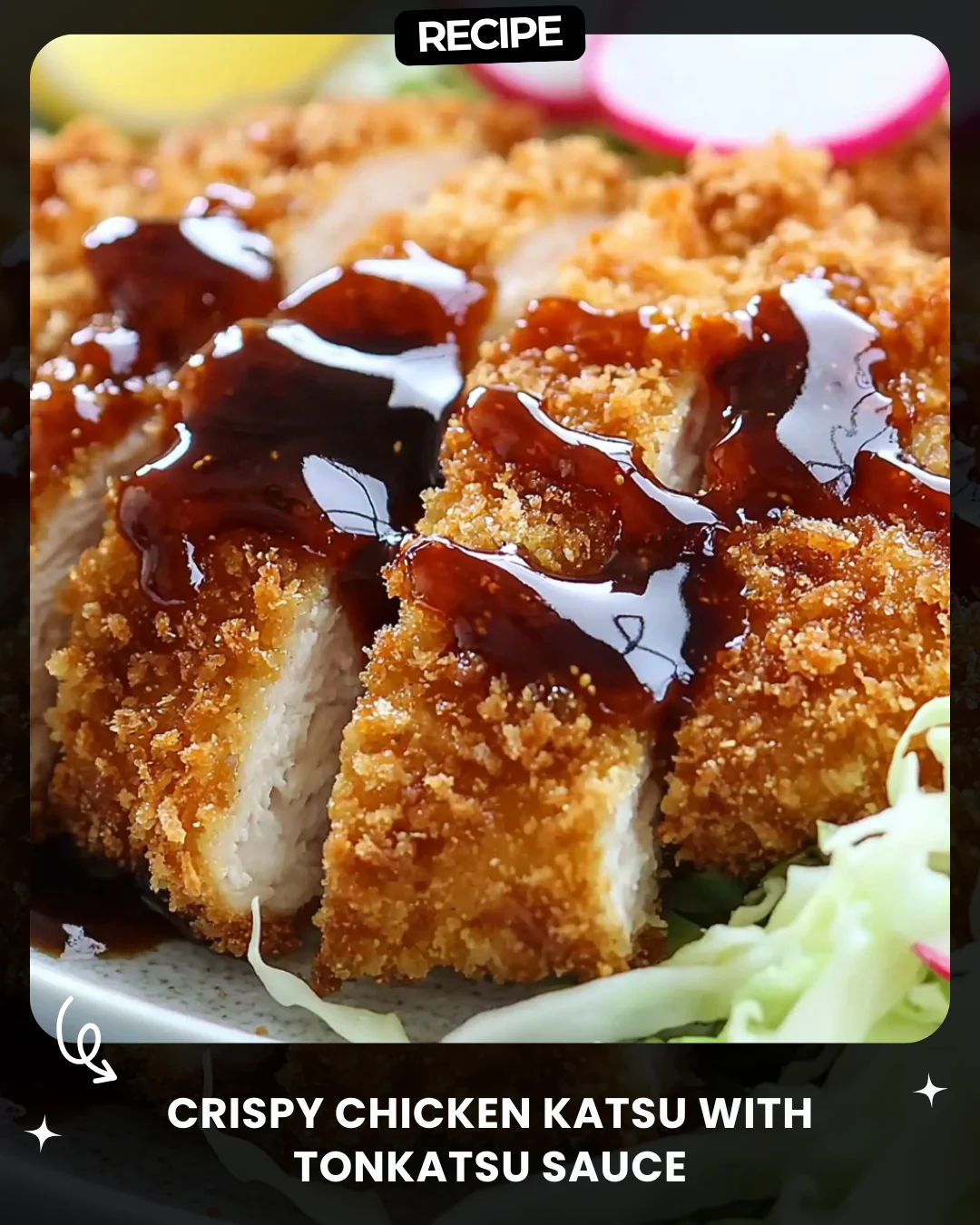
Description
Crispy Chicken Katsu with Tonkatsu Sauce
Ingredients
For the Chicken Katsu:
2 chicken breasts (butterflied and pounded thin)
1/2 cup all-purpose flour
2 large eggs (beaten)
1 cup panko breadcrumbs
Salt and pepper to taste
Oil for frying
For the Tonkatsu Sauce:
3 tbsp ketchup
2 tbsp Worcestershire sauce
1 tbsp soy sauce
1 tbsp sugar
Directions
Prepare the Chicken: Season chicken breasts with salt and pepper.
Set Up the Breading Station: Place flour, beaten eggs, and panko breadcrumbs in separate shallow bowls. Coat each chicken piece in flour, dip into egg, and then coat with breadcrumbs.
Fry the Chicken: Heat oil in a pan over medium heat. Fry chicken pieces for 3-4 minutes on each side until golden brown and crispy. Remove and drain on paper towels.
Make the Sauce: Mix ketchup, Worcestershire sauce, soy sauce, and sugar in a small bowl until smooth.
Serve: Slice the chicken into strips and drizzle with the tonkatsu sauce. Pair with shredded cabbage or steamed rice for a complete meal.
Prep Time: 15 minutes
Cook Time: 10 minutes
Total Time: 25 minutes
Servings: 2
Calories: 450 kcal per serving
#ChickenKatsu #Tonkatsu #JapaneseCuisine #EasyDinner #FoodieFavorites #CrispyChicken
Step-by-Step Guide
Follow these detailed steps for perfect katsu. First, butterfly your chicken breasts by slicing them horizontally almost all the way through, then open them like a book. Place them between two sheets of plastic wrap and pound to an even 1/2-inch thickness using a meat mallet or rolling pin. This ensures quick, even cooking. For the breading station, use one hand for dry ingredients (flour and panko) and the other for the wet egg to keep your hands from becoming a clumpy mess. Press the panko firmly onto the chicken to create a solid, shaggy crust. When frying, maintain the oil temperature at around 350°F (175°C). Test it by dropping a panko crumb in—it should sizzle immediately. Fry in batches to avoid overcrowding, which causes the oil temperature to drop and leads to soggy breading.
Serving Suggestions
Traditional presentation is key. Serve the sliced katsu over a bed of finely shredded cabbage, which adds a refreshing, crisp contrast. A side of steamed Japanese short-grain rice is essential. For a complete teishoku (set meal), add a small bowl of miso soup, a few slices of pickled ginger (beni shoga), and a lemon wedge on the side for an optional bright squeeze over the chicken before saucing.
How-to Summary
Butterfly and pound chicken thin. Create a three-stage breading station with flour, beaten egg, and panko breadcrumbs. Fry at 350°F for 3-4 minutes per side until deeply golden. Drain on a wire rack over paper towels. Whisk together ketchup, Worcestershire, soy sauce, and sugar for the tonkatsu sauce. Slice the rested chicken and serve immediately with sauce, cabbage, and rice.
Frequently Asked Questions
Can I bake the chicken katsu instead of frying? Yes. For a lighter version, place the breaded chicken on a wire rack over a baking sheet, spray generously with oil, and bake at 425°F (220°C) for 15-20 minutes, flipping halfway, until crispy.
What can I substitute for Worcestershire sauce in the tonkatsu sauce? Use 1 tablespoon of oyster sauce mixed with 1 teaspoon of rice vinegar for a similar savory, tangy depth.
How do I store and reheat leftovers? Store cooked katsu and sauce separately. Reheat katsu in a toaster oven or air fryer at 375°F (190°C) for 5-7 minutes to restore crispiness. Avoid the microwave, which makes it soggy.
Can I use chicken thighs? Absolutely. Boneless, skinless thighs are more forgiving and juicy. Flatten them to an even thickness as you would with breasts.
Is there a gluten-free alternative to panko? Use gluten-free panko-style breadcrumbs or crush gluten-free cornflakes for a very crispy, textured coating.
Common Mistakes to Avoid
Avoid these pitfalls: 1) Not pounding the chicken evenly, leading to uneven cooking. 2) Letting the breaded chicken sit before frying, which causes the coating to become gummy. Fry immediately after breading. 3) Frying at too low a temperature, which results in oily, soggy breading. Use a thermometer. 4) Slicing the chicken immediately after frying. Let it rest on a rack for 3-4 minutes to allow juices to redistribute. 5) Drowning the crispy katsu in sauce. Serve the sauce on the side for dipping to preserve the crust’s texture.
Conclusion
Mastering Chicken Katsu is about technique: proper pounding, a meticulous breading process, and controlled frying. The result is an incredibly satisfying contrast of ultra-crispy exterior and tender, juicy chicken, perfectly complemented by the savory-sweet tonkatsu sauce. This dish proves that with a clear method, iconic restaurant-quality Japanese comfort food is easily achievable in your own kitchen. Enjoy the process and the delicious results.